🕯️🧱 𝗧𝗵𝗲 𝗗𝗼𝗼𝗿 𝗖𝗹𝗶𝗰𝗸𝘀. 𝗧𝗵𝗲 𝗔𝗶𝗿 𝗚𝗲𝘁𝘀 𝗛𝗲𝗮𝘃𝘆.
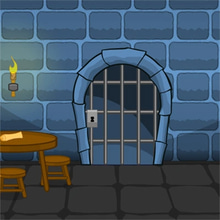
Locked Dungeon Escape has that deliciously unfair opening: you’re fine, you blink, and suddenly you’re behind bars with cold stone walls and a lock that looks way too confident. No dramatic cutscene needed. The mood does the work. A dungeon isn’t just “a room,” it’s a place designed to make you feel small, confused, and slightly annoyed, like the building itself is smirking. And that’s exactly what makes this kind of point and click escape game so satisfying on Kiz10: the only way out is to out-think the room.
You’re not sprinting, you’re not mashing combos, you’re doing the quiet, paranoid ritual of escape players everywhere. Look at everything. Click everything. Question everything. Why does that brick look different? Why is that corner too clean? Why is there a candle like someone set the vibe on purpose? It’s a puzzle adventure built on observation and small victories, the kind where a single rusty key feels like legendary loot. 🗝️😌
🔎🧠 𝗖𝗹𝗶𝗰𝗸𝗶𝗻𝗴 𝗜𝘀 𝗘𝗮𝘀𝘆. 𝗡𝗼𝘁𝗶𝗰𝗶𝗻𝗴 𝗜𝘀 𝗧𝗵𝗲 𝗥𝗲𝗮𝗹 𝗖𝗼𝗺𝗯𝗮𝘁.
The core loop is beautifully simple: explore the dungeon scene, collect items, spot patterns, and combine clues until the lock finally gives up. But “simple” doesn’t mean “mindless.” The game plays with your attention. It wants you scanning the room like a detective who also happens to be the suspect. One clue might be obvious, another might be hidden in plain sight, and the third is the one that makes you groan because you definitely clicked that earlier but your brain refused to accept it mattered.
That’s the charm. Escape games are basically a conversation between you and the designer. You ask, “What do you want from me?” and the dungeon answers, “Patience. Also, better eyes.” You’ll bounce between objects, revisit areas, try a combination that feels wrong, then realize it was right but you entered it backwards. It’s not cruelty, it’s the genre’s spicy seasoning. 🌶️🗝️
🧰🕳️ 𝗜𝘁𝗲𝗺𝘀 𝗔𝗿𝗲 𝗦𝗺𝗮𝗹𝗹, 𝗕𝘂𝘁 𝗧𝗵𝗲𝘆 𝗙𝗲𝗲𝗹 𝗟𝗶𝗸𝗲 𝗣𝗼𝘄𝗲𝗿
In Locked Dungeon Escape, items aren’t just “things,” they’re leverage. A scrap of metal isn’t junk, it’s a future lockpick. A torn note isn’t decoration, it’s a code waiting to become a door. A weird symbol isn’t random, it’s the dungeon whispering in its own little language. The inventory becomes your survival kit, and you start treating every object like it might be the missing piece of the whole escape.
And the best part is how your confidence changes. At first you feel trapped. Then you find one useful item and suddenly you’re not trapped, you’re “working on it.” Then you solve one puzzle and the dungeon feels smaller, weaker, like you just took a chunk out of its ego. You don’t need a sword. You need a brain that refuses to quit. 😈🧠
🕸️🗝️ 𝗧𝗵𝗲 𝗣𝘂𝘇𝘇𝗹𝗲𝘀 𝗟𝗶𝗸𝗲 𝗧𝗼 𝗠𝗲𝘀𝘀 𝗪𝗶𝘁𝗵 𝗬𝗼𝘂 (𝗜𝗻 𝗮 𝗙𝘂𝗻 𝗪𝗮𝘆)
A good dungeon escape puzzle doesn’t scream the answer at you. It nudges you. It teases you. It makes you doubt yourself for a second, then rewards you for being stubborn. You’ll run into classic escape logic: matching symbols, using found tools on suspicious spots, decoding simple sequences, and noticing that certain objects “belong together” even if you don’t know why yet.
You’ll also get those moments where your brain does something weird. You stare at a lock for too long and start inventing rules that aren’t real. You become convinced the number 3 is important because you saw three candles, and then you spend a minute trying “333” like a maniac. Sometimes that paranoia actually helps, because escape games train you to think in patterns. Other times you’re just entertaining yourself while the dungeon remains politely locked. 😂🕯️
🧭👀 𝗧𝗵𝗶𝘀 𝗶𝘀 𝗛𝗼𝘄 𝗬𝗼𝘂 𝗚𝗲𝘁 𝗚𝗼𝗼𝗱 𝗮𝘁 𝗜𝘁
There’s a quiet skill to point and click escape games, and you feel it growing while you play. You start doing a full sweep of the room instead of clicking randomly. You begin remembering what you already checked, like you’re building a mental map. You notice which details are “too intentional” to be meaningless: an odd scratch on the wall, a pattern on the floor, a slightly different shade of brick.
You also start learning the best habit of all: revisit. Because puzzles in escape games often unfold in layers. You solve one step, and suddenly a new hotspot appears where nothing existed before. The dungeon doesn’t always change visually in a dramatic way, it changes quietly, like it’s trying not to admit you’re making progress. That’s when you go back to earlier objects, check the note again, try the key in a different place, and suddenly… click. Something opens. The room breathes differently. You feel it. 🫧🔓
⛓️🕯️ 𝗧𝗵𝗲 𝗔𝘁𝗺𝗼𝘀𝗽𝗵𝗲𝗿𝗲 𝗜𝘀 𝗧𝗵𝗲 𝗥𝗲𝗮𝗹 𝗘𝗻𝗲𝗺𝘆
Even if the puzzles are the main course, the dungeon mood is the sauce. Stone walls, dim corners, the sense that you’re not supposed to be here… it adds pressure without needing a timer screaming in your face. The vibe makes you play more carefully. It makes every small success feel bigger. Unlocking a tiny box in a bright living room is fine, sure. Unlocking something in a dungeon feels like you just stole a secret from a place that wanted to keep it forever. 🗝️🧱
And because it’s on Kiz10, it’s the perfect kind of “quick, intense thinking” session. You can jump in, solve a couple steps, and feel smart. Or you can get pulled into the rabbit hole where you refuse to stop until you’re out, because ending mid-escape feels like leaving your brain in a locked cell. Nope. Not today. 😤🔒
🧨😅 𝗧𝗵𝗲 𝗙𝘂𝗻𝗻𝗶𝗲𝘀𝘁 𝗣𝗮𝗿𝘁: 𝗬𝗼𝘂’𝗹𝗹 𝗢𝘃𝗲𝗿𝗰𝗼𝗺𝗽𝗹𝗶𝗰𝗮𝘁𝗲 𝗜𝘁
Locked Dungeon Escape has that classic escape-game comedy where the solution is often simpler than your panic-brain wants to believe. You’ll try to combine two items that obviously don’t belong together because you’re desperate. You’ll click the same wall tile twenty times like repetition is a strategy. You’ll swear an object moved when it didn’t. You’ll accuse the dungeon of cheating. Then you’ll find a hidden clue you missed and you’ll immediately forgive everything, because escape games are emotional rollercoasters made of tiny locks. 🎢🗝️
And once you’re out? That last unlock hits like relief. Not fireworks relief. More like a deep exhale and a smug little grin. You did it. The dungeon failed. Your brain won. You’ll probably want to replay just to see how fast you can do it next time, because the second run feels completely different. It’s less fear, more finesse. Less “where am I?” and more “I know your tricks.” 😎🔓
🏁✨ 𝗪𝗵𝘆 𝗜𝘁 𝗪𝗼𝗿𝗸𝘀 𝗦𝗼 𝗪𝗲𝗹𝗹 𝗼𝗻 𝗞𝗶𝘇10
This is a clean, classic escape game experience: point and click controls, puzzle-forward progression, and a moody setting that makes every clue feel important. If you like room escape games, dungeon puzzle adventures, hidden object logic, and that satisfying feeling of turning confusion into a plan, Locked Dungeon Escape belongs in your Kiz10 rotation. Just remember the golden rule: if it looks useless, it’s probably the keys to everything. 🗝️🕯️





 Share
Share
 Embed
Embed


