𝗟𝗢𝗖𝗞𝗘𝗗 𝗗𝗢𝗢𝗥𝗦 𝗔𝗡𝗗 𝗟𝗢𝗨𝗗 𝗗𝗘𝗖𝗜𝗦𝗜𝗢𝗡𝗦 🚪💣
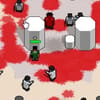
Boxhead More Rooms has a special talent: it looks simple, almost polite, right up until you step into a room and realize the room is not on your side. This is a top-down shooter where your world is made of enclosed arenas, tight corners, awkward hallways, and that awful moment when you hear enemies coming from two directions and your brain quietly whispers, “This could get stupid.” And it does. In the best way. It’s a classic zombie survival vibe with a bright, blocky look that keeps the chaos readable while your hands are doing overtime. More rooms, more missions, more zombies, more weapons, more ammo, more explosions… that’s basically the game’s personality in one breath, and it delivers exactly that kind of loud promise.
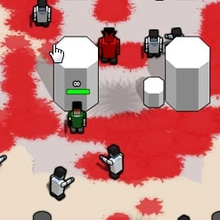
You load in and immediately feel the pressure that makes Boxhead games addictive. You’re not roaming a big map with endless empty space. You’re fighting in rooms that turn every mistake into a geometry problem. Where can I stand without getting clipped. Which lane is about to become a trap. Do I grab ammo now or do I keep kiting a second longer. You’re constantly converting space into survival, and the moment you lose space, the game becomes a comedy about regret.
𝗧𝗢𝗣-𝗗𝗢𝗪𝗡 𝗦𝗛𝗢𝗢𝗧𝗜𝗡𝗚 𝗧𝗛𝗔𝗧 𝗙𝗘𝗘𝗟𝗦 𝗟𝗜𝗞𝗘 𝗦𝗪𝗘𝗔𝗧 🧠🔫
The real joy of Boxhead More Rooms is how physical it feels for a browser game. You’re aiming, moving, and thinking at the same time, like you’re juggling three sharp objects while zombies try to bump your elbow. It’s not a slow tactical shooter where you peek carefully and take one perfect shot. It’s more like, keep moving, keep your aim honest, and don’t let the horde decide your route for you.
You’ll notice quickly that movement is your armor. Standing still is basically an invitation. Even when you have a strong weapon and you’re feeling brave, you still need to rotate, reposition, and keep the crowd from wrapping around your angles. The rooms are designed to make you feel clever when you use them well, and to punish you when you treat them like open fields. A narrow corridor can be your best friend for funneling enemies… until it turns into a dead-end you walked into like you owned the place. 😅
And because everything is in rooms, your brain starts working in loops. Clear this corner, rotate to that side, sweep the middle, check the doorway, repeat. It’s almost rhythmic, like a grim little dance. When you’re “in it,” it feels smooth. When you’re not, it feels like you’re constantly half a second behind the wave, which is the worst place to be.
𝗥𝗢𝗢𝗠𝗦 𝗔𝗥𝗘 𝗣𝗨𝗭𝗭𝗟𝗘𝗦 𝗪𝗜𝗧𝗛 𝗧𝗘𝗘𝗧𝗛 🧩🧟
People call these games shooters, but honestly, the rooms are puzzles. Not the calm kind where you sip tea and think. The loud kind where you solve the puzzle by not dying. Every room asks a different question. Sometimes it’s a space question. Sometimes it’s a timing question. Sometimes it’s a resources question. Sometimes it’s a question that sounds like “How many zombies can you handle before you panic-reload in the worst possible place?” 😬
The “more rooms” part matters because it changes your relationship with risk. In a single arena survival game, you eventually learn the map and settle into comfort. Here, you keep stepping into new shapes, and each shape changes how you fight. A room with wide lanes encourages speed and big circles. A room with tight turns encourages controlled movement and cautious pathing. A room with clutter makes you choose between running wide and getting snagged, or running tight and getting boxed. The variety forces you to adapt, which keeps your runs from turning into autopilot.
And that’s where the game feels strangely fresh even though it’s straightforward. You’re not memorizing a complicated system. You’re reacting to geometry, pressure, and your own decision-making. The rooms are the system.
𝗔𝗠𝗠𝗢 𝗜𝗦 𝗔 𝗗𝗥𝗔𝗠𝗔 𝗚𝗘𝗡𝗥𝗘 📦😵💫
If you’ve played zombie shooters, you already know the true villain isn’t the zombies. It’s the moment you realize you’re low on ammo while the crowd is thick. Boxhead More Rooms makes ammo feel like a storyline. You grab it, you protect it, you waste it, you regret it, you promise to do better next run, then you waste it again because the swarm got too close and your brain chose chaos.
The “more weapons” angle is where your playstyle starts to develop personality. Different weapons aren’t just stronger or weaker, they change how you handle rooms. Some tools reward picking enemies off before they cluster. Others reward letting the horde bunch up and then deleting the problem in one glorious burst. You’ll discover that a “big” weapon can actually make you sloppy if you rely on it too much. Meanwhile, a simpler weapon can keep you disciplined, because it forces you to aim, manage distance, and stay tidy.
The funniest emotional swing is when you feel powerful for one second, then realize power doesn’t stop you from making dumb movement decisions. A strong gun doesn’t fix a bad corner. A great loadout doesn’t save you if you back yourself into a wall. The game teaches that lesson gently at first, then loudly, then repeatedly. 💥
𝗘𝗫𝗣𝗟𝗢𝗦𝗜𝗢𝗡𝗦 𝗔𝗥𝗘 𝗔 𝗟𝗔𝗡𝗚𝗨𝗔𝗚𝗘 💣😈
Let’s talk about the truly satisfying part: explosions. Boxhead More Rooms is the kind of shooter where blowing up a big group feels like hitting a perfect punchline. You lure, you cluster, you time it, and suddenly the room goes quiet for half a second like the game is letting you breathe. That half second feels incredible.
But explosions also create temptation. You start chasing “perfect clumps,” and chasing clumps is how you get surrounded. So you learn balance. Use big damage when it’s safe, not when it’s dramatic. There’s a difference. Dramatic is fun, but safe is how you keep playing long enough to enjoy more rooms.
And yes, you will absolutely have moments where you set something up, feel like a genius, trigger it too early, and watch half the zombies survive and continue marching like nothing happened. That’s when you make the face. The “I did that to myself” face. Then you reset. Classic Boxhead behavior.
𝗧𝗛𝗘 𝗦𝗞𝗜𝗟𝗟 𝗖𝗨𝗥𝗩𝗘 𝗜𝗦 𝗝𝗨𝗦𝗧 𝗬𝗢𝗨 𝗚𝗘𝗧𝗧𝗜𝗡𝗚 𝗖𝗔𝗟𝗠𝗘𝗥 😮💨🎯
The best thing about Boxhead More Rooms on Kiz10 is that improvement is visible fast. You don’t need hours to feel better. You need a handful of runs and one mindset change: stop reacting late. Late reactions are what turn manageable waves into panic spirals. Early movement is what makes rooms feel bigger. Early positioning is what makes ammo pickups feel reachable. Early decisions are what keep you from doing that sad little shuffle against a wall while zombies close in like they paid rent there.
When you start playing calmer, the game becomes a different experience. You begin to “read” a room as soon as you enter it. You spot the safe loops. You mark the risky corners mentally. You treat each doorway like a future problem. And once you do that, the chaos becomes something you shape instead of something that shapes you.
Boxhead More Rooms is basically an arcade survival story told in short, loud chapters. Each room is a chapter. Each chapter ends either with you standing tall… or with you learning something the hard way. And because it’s quick to restart and quick to understands, it keeps pulling you back for “one more try,” which turns into five more tries, which turns into you saying “okay last one” while you’re already clicking again. That’s the magic.





 Share
Share
 Embed
Embed