𝗣𝗲𝗰𝗸𝗶𝗻𝗴 𝗔𝘁 𝗧𝗵𝗲 𝗨𝗻𝗶𝘃𝗲𝗿𝘀𝗲 🦜📦
Cube Escape: Harvey’s Box is what happens when a tiny space becomes an entire nightmare playground. You’re not exploring a mansion, you’re not roaming a city, you’re inside a box. A literal cardboard box. And somehow it feels bigger than most “big” games because every object inside it looks normal for about one second… then starts acting like it has secrets. The core is classic point-and-click escape gameplay: observe, collect, combine, test ideas, fail in a funny way, then suddenly succeed like you planned it all along. But the mood is not cozy. It’s surreal, unsettling, and weirdly charming, like a puzzle box that’s humming to itself in the dark.
You play as Harvey, a parrot trapped while being moved toward Rusty Lake, and the story leans into that claustrophobic “I shouldn’t be here” sensation. It’s set in 1969 and the whole situation feels like a memory that refuses to behave. You’re surrounded by odd items that look harmless until you actually need them, and then they become the keys to everything. The game doesn’t scream at you with tutorials. It just stares. It waits for you to click something you didn’t think mattered.
𝗧𝗵𝗲 𝗖𝗹𝗶𝗰𝗸 𝗧𝗵𝗮𝘁 𝗦𝘁𝗮𝗿𝘁𝘀 𝗧𝗵𝗲 𝗦𝗽𝗶𝗿𝗮𝗹 🕵️♂️🧩
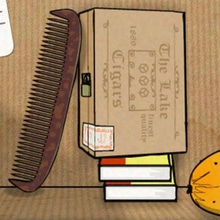
At first, it feels straightforward. You click around, pick up a few objects, and think, okay, I’ve played escape games. Then it hits you: every item has a purpose, and the purpose is never the first thing you guess. A comb isn’t just a comb. A piece of fruit isn’t just a snack. A cigar box isn’t just a box. The puzzles often ask you to look at relationships: what can be moved, what can be opened, what can be rearranged, what can be “activated” with another item. The game loves making you try something slightly ridiculous and then rewarding you for the audacity.
And because you’re playing as a parrot, there’s this odd tension between helplessness and cleverness. You’re trapped, yes, but you’re also the only mind in the box willing to poke, pry, and experiment. The world outside is implied, not shown, which makes everything inside feel even more important. You start treating the smallest object like it’s a major character. You begin to notice that the box itself feels like a puzzle mechanism, not just a container. And once you get that feeling, you stop clicking randomly and start clicking like a detective with feathers.
𝗜𝗻𝘃𝗲𝗻𝘁𝗼𝗿𝘆 𝗖𝗵𝗮𝗼𝘀 𝗔𝗻𝗱 𝗧𝗵𝗲 𝗝𝗼𝘆 𝗢𝗳 𝗖𝗼𝗺𝗯𝗶𝗻𝗶𝗻𝗴 🧰🌀
A huge part of the satisfaction here is how the inventory becomes your messy little laboratory. You gather things, you rotate through them, you try them on different spots, and slowly you build a mental map of what “kind” of puzzle you’re dealing with. Sometimes it’s about sequence: do the right steps in the right order. Sometimes it’s about transformation: an object changes state after you interact with it. Sometimes it’s about decoding: a clue appears, but only if you’ve earned it by doing something that felt unrelated.
There’s a specific kind of escape-game pleasure that Harvey’s Box nails: the moment you get stuck, wander for a minute, then click one tiny detail and everything unlocks in your head at once. It’s not always logical in the normal-world sense, but it’s logical in the game-world sense. The box has its own rules, and your job is to learn them without being told. When you finally “speak” the box’s language, it feels like you’re getting away with something.
𝗔𝘁𝗺𝗼𝘀𝗽𝗵𝗲𝗿𝗲: 𝗦𝗺𝗮𝗹𝗹 𝗦𝗽𝗮𝗰𝗲, 𝗕𝗶𝗴 𝗨𝗻𝗲𝗮𝘀𝗲 🕯️👁️
What really sticks is the atmosphere. The visuals are usually simple enough to read clearly (which is vital for point-and-click puzzles), but the tone is heavy with mystery. The series is known for that surreal Rusty Lake vibe, where the ordinary becomes symbolic and the symbolic becomes unsettling. Being stuck inside a box heightens that feeling because there’s no “escape to another room” comfort. The box is your whole reality until you solve it.
And the game plays with the idea that you’re not alone. There’s help, but it’s the kind of help that raises more questions than answers. It’s not a friendly tutorial voice. It’s more like the universe tossing you a strange hint and expecting you to interpret it correctly. That keeps the tension alive: you’re progressing, but you’re also unsure what you’re progressing toward. You’re opening things, revealing things, changing things… and the box feels like it’s changing you back.
𝗧𝗶𝗽𝘀 𝗧𝗵𝗮𝘁 𝗙𝗲𝗲𝗹 𝗟𝗶𝗸𝗲 𝗦𝗲𝗰𝗿𝗲𝘁 𝗞𝗻𝗼𝘄𝗹𝗲𝗱𝗴𝗲 🧠🔎
If you want to play cleaner, here’s the mindset: click slow, think fast. Scan each side carefully. In these games, missed items are usually missed because your eyes assume an object is decoration. Don’t assume. Hover. Click. If something looks slightly “placed,” it probably matters. When you get a new clue, don’t rush to use it immediately; sometimes it becomes useful only after you trigger another change. Keep re-checking earlier spots after major puzzle steps because the box can reveal new details once you’ve progressed.
Also, don’t be afraid of trying combinations that feel dumb. This isn’t a realism simulator. It’s a surreal escape puzzle, and surreal puzzles reward weird experiments. If you’re stuck, ask yourself: what is the strangest item in my inventory right now, and where is the strangest place it could logically (or illogically) be used? That question alone can break a deadlock.
𝗪𝗵𝘆 𝗜𝘁’𝘀 𝗔𝗱𝗱𝗶𝗰𝘁𝗶𝘃𝗲 𝗢𝗻 𝗞𝗶𝘇𝟭𝟬 🎮✨
This kind of game works perfectly for quick play sessions because every solved step feels like progress. You’re always one click away from a new discovery, and every discovery makes you want the next one. It’s a puzzle escape game that doesn’t waste your time with filler. The box is the stage, the objects are the actors, and you’re the director trying to force a coherent story out of nonsense. When it finally comes together, it feels satisfying in a way that action games can’t replicate. You didn’t win by reflex. You won by noticing. By thinkings. By refusing to accept that a cardboard box gets to be smarters than you 😅





 Share
Share
 Embed
Embed