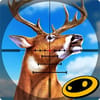
Dawn In The Timber 🌅🦌
The world wakes before you do. Mist slides between pines, a creek talks to stones, and somewhere ahead a branch ticks softly—one careful step too many from something with antlers and opinions. Deer Hunter drops you into that hush and asks for patience more than bravado. You shoulder the rifle, breathe once, and let the forest finish its sentence. This is a game about reading places, not just pulling triggers, and the first lesson arrives with the light: move slow, listen harder, and let the wind choose your route before your boots do.
Woodcraft Over Warfare 🍂👣
Every map is a personality. Aspen flats carry sound like gossip; one crunch and the whole meadow knows you’re there. Pine ridges swallow noise but throw your scent downhill if you ignore the breeze. Wetlands serve mirrors—footprints in mud, feather-light ripples when something steps wrong—and desert mesas trade camouflage for distance, a game of mirage and patience. You learn to scan with your ears before your scope. Jays scold when you’re sloppy. Squirrels click like tiny alarm bells. When the forest quiets too fast, crouch; you’re not alone.
The Shot Starts Before The Trigger 🎯🫁
Rifles are honest teachers. Scope clarity, barrel length, and stock fit mean more than magazine size ever will. Deer Hunter turns shooting into a ritual: set your foothold, steady the fore-end, exhale to the bottom, and squeeze like you’re pressing a secret into the world. Wind bends truth. At 100 yards you hold a breath-width; at 300 you’re doing math by feel, watching grass tips and flagging leaves for a reading you can trust. A clean hit is quiet even when it’s loud. Follow-through matters. Keep the sight on target, call your shot, and respect the seconds that come after, because the woods always answer.
Ethics In The Crosshairs 🧭🤍
The game cares how you hunt. Broadside, clear vitals, no brush in the way—take it. Quartering-to at bad angles—don’t. Rushed shots cost you time, score, and sometimes a difficult trail no one enjoys. Pass on the shaky try, circle with patience, and the system nods with higher rewards. Tag limits, season markers, and harvest quality push you toward choices a real guide would applaud. It’s not grim; it’s grown-up, and the satisfaction of a respectful harvest outshines any leaderboard number.
Gear That Earns Its Keep 🧰🔭
You start with a trusty bolt-action and glass that does its best, then grow a kit that fits your style. Lightweight carbines for dense timber, heavy calibers for long prairie holds, and versatile all-rounders that make you feel sly in foothills where ranges change like moods. Optics shift everything: simple duplex reticles for quick woods shots, mil-dot for stretching legs, thermals for predawn silhouettes that need confirmation, not a trigger pull. Calls, scents, and decoys add a chess layer. A grunt at the right moment turns a maybe into a memory. A drag line brings noses where you want them—assuming wind agrees.
Biomes That Bite Back 🌲🌧️
Weather isn’t decoration here; it’s a mechanic with teeth. Rain softens footfall noise but steals warmth and visibility. Wind scrubs your scent if it’s in your face and betrays you if it isn’t. Snow gifts you tracks like neon arrows and steals traction when a ridge asks for respect. Fog turns maps into puzzles where you navigate by sound and slope. You’ll start checking forecasts and planning sits like a real trip: treeline for rising thermals at sunup, creek draws for midday movement, edge cover for that dusk parade when shadows grow legs.
Scouting Days, Story Nights 🗺️📓
The loop is deliberate and delicious. Scout in the morning, mark rub lines and bedding pockets, drop pins near food sources, and plan ambushes that feel like secrets you earned. Evenings become journal time: what wind worked, what call felt desperate, what ridge turned out to be a dead end with great views and no deer. Progression isn’t just numbers on a page; it’s the hush you learn to carry, the routes you memorize, the tiny confidence that says wait thirty seconds more before standing. Often, thirty seconds is everything.
Stalk, Still-Hunt, or Sit 🎒🪵
Different temperaments find different love. Spot-and-stalk players thread cover like it’s written for them, reading light and shadow to steal half-steps until the world agrees to fifty yards. Still-hunters move slow as sap, letting the forest reset between steps, and win on discipline. Stand sitters win on chess: wind advantage, line of sight, and patience turned into points on the board. Deer Hunter respects every style, giving you tools that tilt toward your favorite rhythm without locking you there.
Tracking: The Quiet Sequel 🩸🕵️
Not every arrow of light becomes a perfect moment. When a shot isn’t final, the game becomes a trailing sim that’s equal parts forensic and empathy. Bright blood, dark blood, bubbly sign—each hint tells a story if you listen. Haste ruins stories. Kneel, mark, glass forward, move steady. Coyotes and crows sometimes join the chorus; their noise is an ugly gift that points the way. Finding what you started—cleanly, with care—lands like a sigh you didn’t know you were holding.
Challenges With Teeth, Not Tricks 🏅⏱️
Career contracts thread goals with guidance: harvest a mature buck in high wind, pass on small game for a quality bonus, complete a dawn-to-dusk loop with minimal shots taken. Timed events add spice without cruelty—cover ground, tag ethically, pack out before the weather turns. Leaderboards reward precision and composure, not spray-and-pray, and the best scores read like diaries: wind 8 mph quartering, 225-yard hold, single step, lights off by dusk.
Upgrades That Change Feel, Not Soul ⚙️📈
New stocks tame sway, better triggers shorten guesses, and high-BC ammo flattens flight without turning physics into fiction. You’ll tune sling carry for long hikes, bipods for prairie prone, and boots that trade silence for speed depending on mood. Nothing breaks the spell; everything sharpens it. The finest compliment is forgetting you “equipped” anything and simply noticing that what you carry matches how you move.
Audio As A Sixth Sense 🎧🍃
Wear headphones and the map blossoms. A branch tick at your ten o’clock prompts a foot pivot. A distant creek tells slope. A grouse thump resets your heart rate. The UI stays whisper-thin by design—minimal reticle drift, subtle wind cues, clean range markings—because the world itself is the HUD if you learn its grammar. When a whitetail snorts once, you plan. When it snorts twice, you apologize and try again tomorrow.
Tiny Lessons That Make You Better 🗝️🧠
Err low on longer shots; excitement lifts more than drop does. If the wind’s wrong, move or wait—wishing won’t bend molecules. Step on rocks and roots, not leaf beds. Knees before elbows before belly when the ground demands smaller. A paused breath is shorter than you think; take it at the bottom, not the top. And if you start rushing, stop. Sit. Watch the story happen without you for five minutes. Then rejoin it quietly.
Why You’ll Keep Coming Back On Kiz10 🌐🦌
Because Deer Hunter captures the stillness many games forget—the way patience becomes power and small decisions bloom into clean success. Sessions can be quick dawn sits or long weekend loops across two biomes and a weather change, and either way you leave with a calmer pulse and a story you want to tell: the wind that shifted, the track that curved, the shot you didn’t take because it wasn’t right. When the cabin door clicks shut and the map fades, you’ll already be planning the next route, the next ridge, the next moment when the forest agrees and the world holds still.
















 4 (445 votes)
 Share
Share
 Embed
Embed