🌉 Shipping Containers, Sharp Corners, Zero Mercy
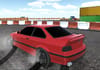
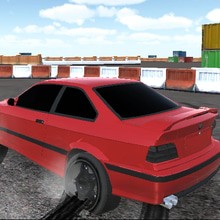
Drift Runner 3D Port doesn’t warm you up gently. It drops you straight into an industrial harbor where tight turns, stacked containers, and narrow lanes demand respect. This isn’t a lazy cruise around a sunny circuit. It’s precision drifting in a place built for cargo trucks, not flashy racing lines. And that’s exactly why it works.
From the first corner on Kiz10.com, you realize something important: speed alone won’t save you. The track layout forces you to learn how to initiate drifts cleanly, hold them without over-rotating, and exit corners with momentum instead of panic. You’re not just steering. You’re managing weight transfer, throttle balance, and angle control in a compact 3D environment that punishes sloppy inputs.
It feels technical without being overwhelming. The controls are simple to understand, but mastering them takes a steady hand and a calm brain. Because once you start sliding too wide in a shipping port full of obstacles, there’s nowhere polite to go.
🛞 The Art of Controlled Chaos
Drifting in Drift Runner 3D Port is about rhythm. Tap into a turn too early and you understeer into the outer edge. Tap too late and you snap sideways and lose your line. The sweet spot is finding that clean initiation point where the rear steps out just enough, the tires bite into the slide, and you glide through the corner like you meant to do that.
The 3D perspective adds weight to everything. You can feel the difference between a shallow slide and a deep, aggressive drift. Long corners reward smooth steering and throttle modulation. Tight port turns demand quick reactions and precise correction. Every mistake is visible. Every good line feels earned.
And when you chain drifts through multiple bends without breaking flow, the satisfaction is immediate. You don’t just clear the corner — you style it. That’s the hook. It’s not about finishing first against opponents. It’s about perfecting your own control.
🏁 Tight Spaces, Smart Lines
A shipping port is not forgiving terrain. Containers create visual barriers and force narrow racing lines. Sudden bends appear where you expect open space. The layout pushes you to think ahead, not react late.
If you attack every turn at maximum speed, you’ll spend more time correcting mistakes than actually drifting. The smarter approach is controlled entry. Brake just enough before the corner. Initiate the slide early. Hold a steady angle. Then accelerate out cleanly. It’s less flashy at first, but far more effective.
The track design rewards patience disguised as aggression. You look fast because you’re sliding, but the real skill is in how stable your exit is. Exit speed matters more than entry chaos.
💰 Progression and Flow
As you improve, you start noticing small changes in how you approach sections of the port. Corners that once felt impossible become opportunities to build longer drift chains. You begin adjusting your steering inputs instinctively instead of overthinking them.
If the game includes upgrades or new vehicles, those changes affect handling in subtle ways. A faster car might feel harder to control at first, forcing you to refine your technique. Better handling can let you push deeper angles without spinning out. The growth feels natural, like your skill evolves alongside the machine.
Even without massive customization systems, the sense of improvement is clear. You start smoother. You correct earlier. You crash less. That visible progression keeps the loop addictive.
⚠️ Mistakes Are Fast, Restarts Are Faster
Drift Runner 3D Port doesn’t drag out failure. Hit a barrier too hard, over-rotate into a container, or misjudge a turn, and the run ends quickly. But the restart is immediate. That matters.
You don’t stew in frustration. You instantly want another attempt. Because you know exactly what went wrong. That last corner? You entered too hot. That straight into the bend? You hesitated before initiating the drift. The learning is sharp and direct.
This tight feedback loop is what makes arcade drift games addictive. Every attempt teaches something small. A better braking point. A smoother steering arc. A calmer throttle release. Piece by piece, your control improves.
🔥 Staying Smooth Under Pressure
The hardest habit to break is overcorrection. New players tend to flick the steering too aggressively once the car starts sliding. That leads to spin-outs or awkward angles that kill momentum. The key is smaller, controlled adjustments. Let the drift settle before correcting.
Momentum is everything. Smooth inputs keep your speed consistent. Consistent speed keeps your drifts stable. Stable drifts create faster corner exits. It’s a simple chain, but it takes practice to internalize.
Once you settle into that rhythm, the game feels almost meditative. You’re not reacting in panic. You’re anticipating the corner before it arrives. You’re adjusting mid-slide with confidence. The port stops feeling hostile and starts feeling like your playground.
🏆 Why Drift Runner 3D Port Works on Kiz10
Drift Runner 3D Port delivers focused drifting action without unnecessary distractions. It’s a clean 3D driving challenge built around skill and control. You can jump in quickly, attempt a few runs, and see immediate improvement.
If you enjoy drift racing games, tight circuit challenges, and physics-based driving where smoothness beats raw speed, this is exactly your type of game. It rewards patience disguised as aggression and consistency disguised as style.
Load it up on Kiz10.com, hit the first corner with confidence, and remember: drifting isn’t about sliding wildly. It’s about making chaos look controlled.





 Share
Share
 Embed
Embed