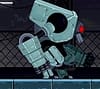
🤖⚙️ When the Sand Starts Screaming
Fury Of Metal opens with that dangerous calm that only exists right before the first wave hits. The map looks simple, the path looks predictable, and then the enemy shows up and you realize the truth: this is a tower defense game where hesitation has a price tag. You’re defending a route in a scorched, industrial battlefield, placing turrets and upgrading them fast enough to keep metal units from marching straight into your base. On Kiz10.com it feels like a tight strategy loop—place, test, adjust, survive—where every wave is basically the game asking, “So… are you sure your build is good?” 😅
The fun starts immediately because you don’t have time to overthink. Early waves force you to place your first defenses quickly, but not randomly. One bad turret placement can ruin your economy later because enemies leak through, you lose control, and suddenly your money decisions become panic decisions. You start learning the map like a habit: where enemies stay in range longest, where they bunch up, where your turrets can hit them twice without wasting coverage. The battlefield becomes a math problem you solve with explosions. 💥🧠
🛠️🔫 Turrets That Grow From “Cute” to “Cruel”
At the beginning, your towers feel modest. They’re functional, but you can tell they’re begging for upgrades. Then you start investing and the personality changes. Range becomes control. Damage becomes confidence. Fire rate becomes survival. Your defense line goes from fragile to oppressive, and that transition is the reason you keep playing. There’s something deeply satisfying about watching a wave enter your kill zone and simply… disappear. 🤖💀
But the game doesn’t let you coast. Every time your build starts to feel stable, the enemy mix shifts. Suddenly there are faster units that slip through gaps. Suddenly armored machines take too long to drop. Suddenly your “perfect” setup feels like a polite suggestion instead of a defense. That’s when Fury Of Metal becomes a real strategy game: it forces you to adapt instead of repeating one pattern forever.
🧭🧱 Choke Points and the Pleasure of Being Efficient
If you place turrets everywhere, you go broke and lose. If you place turrets only in one spot without thinking, you also lose. The sweet spot is focus with intention. Good tower defense is about creating a kill zone—a place where enemies stay under fire for as long as possible—and Fury Of Metal rewards that kind of thinking. Corners matter. Long stretches matter. Places where enemies slow down or bunch up matter. You’re basically designing a traffic jam for robots, except your traffic jam is bullets. 😈🛡️
And once you’ve built a strong core, you start adding support. Not flashy support—useful support. A tower that catches leaks. Another that increases pressure at the moment enemies turn. A backup line that saves the run when a late wave suddenly spikes and your main defense looks shaky. The best builds feel layered, like you’re building a fortress in stages.
💰⚙️ Money Isn’t a Reward, It’s a Weapon
Currency is the real decision-making engine here. Spend too early on upgrades and you might lack coverage when a new wave appears. Spend too late and your towers can’t keep up with scaling enemies. Fury Of Metal forces you into that classic tower defense dilemma: more towers or stronger towers? Coverage or power? And the answer changes constantly.
A smart approach is to stabilize first. Get enough damage to stop leaks. Then upgrade the towers doing the most work. Then expand into weak spots. The game gets harder when you ignore balance, because imbalance creates gaps—and gaps become failures. The road doesn’t care if you were “saving” money. The road only cares if your turrets can stop what’s coming. 🫠
🦾🧨 Enemy Waves That Learn How to Hurt You
The escalation feels personal in a good way. You’ll notice wave composition shifting to challenge your habits. If you rely on one damage type, armored enemies show up and shrug it off. If you spread too thin, fast units slip past. If you build only for burst damage, swarms overwhelm you. The game keeps testing your defense like it’s tapping different parts of a wall, looking for cracks.
That’s why mid-wave decisions matter. Sometimes the winning move is upgrading a single key turret right as a heavy unit enters range. Sometimes it’s dropping a new tower one tile earlier than you normally would because enemies are stacking at a turn. Those micro-decisions are where the game feels alive. You’re not watching a tower defense, you’re actively steering the outcome in real time.
🎯😵 “I Can Fix This” Moments (And Sometimes You Can)
There’s a special kind of stress only tower defense games create: the moment you realize your build is slightly wrong, but the wave is already in motion. Fury Of Metal gives you plenty of these. Enemies get closer than you like. Your kill zone feels weak. A fast unit leaks through and your brain screams, not like this. That’s when you either collapse… or you adapt.
If you enjoy that feeling of pressure managements—building under stress, correcting mistakes, making a defense stronger while the threat is already on screen—this game nails it. And when you survive a wave you were sure would break you, it doesn’t feel like luck. It feels like you outsmarted the path. 🏆🔥
🌪️🏁 Why Fury Of Metal Works So Well on Kiz10.com
Fury Of Metal is a crisp, replayable tower defense strategy game with strong pacing: quick setup, escalating pressure, and constant opportunities to improve your build. It’s easy to start, but it rewards players who think about choke points, upgrade timing, and enemy priority. You’ll get that satisfying loop of “hold, upgrade, hold harder,” with enough variety in waves to keep you from sleepwalking through the same solution.
If you like defense games where every turret placement matters, every upgrade feels meaningful, and the late waves demand calm decisions instead of panic clicking, Fury Of Metal on Kiz10.com is a solid battlefield to master. Place smart, upgrade smarter, and enjoy the moment your kill zone turns the enemy wave into scrap metal. 🤖💥🛡️













 4.5 (72 votes)
 Share
Share
 Embed
Embed