💾 A world held together by bad code and worse luck
Glitch Buster feels like the kind of game that begins one second after the system has already started falling apart. No calm setup. No friendly tutorial voice pretending everything is under control. Just digital chaos, bad code everywhere, and a tiny hero forced to run straight into the mess because apparently no one else is going to fix anything. That mood is exactly what makes a glitch-themed platformer fun. The world is unstable, the dangers are weird, and every level feels like it could betray you in a brand-new way just to stay interesting.
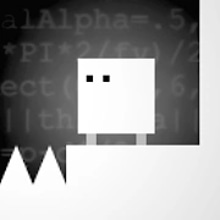
What gives the game its bite is the premise itself. You are not just running through normal stages collecting shiny nonsense for no reason. You are in cyberspace, hunting down broken pieces of a failing system, trying to repair glitches before the whole thing collapses into digital garbage. That instantly adds pressure. The levels do not feel decorative. They feel infected. Every jump, every enemy, every trap looks like part of a world that is actively malfunctioning around you.
And honestly, that kind of setting is perfect for a browser action game. A glitch world gives the level design permission to get strange. Platforms can feel unstable. Hazards can seem unfair for half a second before you realize, no, the game is not broken, the world is broken. Important difference. Very fun difference.
⚡ Fast jumps, tight timing, and the constant threat of embarrassment
At its core, Glitch Buster should feel like a pure skill platformer with a nasty little clock ticking somewhere in the back of your brain. Known versions of the game revolve around fixing 13 glitches before time runs out, while avoiding hostile pointer enemies or stomping them when necessary. That structure is excellent because it turns basic movement into something much more urgent. You are not merely platforming for the sake of platforming. You are platforming with a mission, and missions make mistakes feel heavier.
A jump in a normal platformer can just be a jump. A jump in Glitch Buster becomes a tiny argument with time. Land cleanly and you keep moving. Land badly and now the enemy is closer, the route is messier, and the clock is still doing that deeply irritating thing where it refuses to care about your feelings. Great arcade energy.
The best part is how immediate the challenge feels. You move, dodge, stomp, fix, continue. No wasted motion. No giant pile of systems slowing everything down. Just pure action-platform rhythm. That is exactly the kind of design that gets under your skin quickly, because every failure feels close to solvable. The better run always seems near enough to reach if you clean up one or two mistakes. Of course, the game then finds new ways to punish your confidence, but that is part of the relationship.
🖱️ The enemies are basically office tools with murder in mind
There is something very funny about turning digital pointers into actual enemies, but it works because it makes the cyberspace theme instantly readable. You are not fighting generic monsters. You are fighting hostile pieces of interface logic that have somehow become personal. Dangerous pointers are exactly the sort of weirdly specific enemy idea that makes a game world feel memorable.
And that matters more than people think. A glitch-themed action game needs strong visual identity or it just becomes random neon nonsense. Glitch Buster avoids that by making the threats feel connected to the setting. The enemies are part of the broken system. The hazards belong there. Even the traps feel like corrupted code made physical. That cohesion gives the whole game a stronger personality.
It also makes every encounter a little more playful. A good platform-action game should keep tension high, yes, but it should also let the player enjoy the absurdity of what they are fighting. Here, the absurdity is part of the charm. You are basically a digital repair hero jumping on evil pointers while racing to fix software malfunctions. Ridiculous premise. Excellent game energy.
🧩 Fixing glitches is just puzzle solving at high speed
One thing I really like about games in this style is how they mix action and puzzle logic without needing to announce it. On paper, Glitch Buster sounds like a reflex-heavy platform game. In practice, it should also feel like a route-planning game. Where is the safest path? Which glitch should be fixed first? Which enemy can be ignored, and which one absolutely needs to be stomped before it ruins the whole route?
That layer matters because it keeps the game from feeling flat. You are not just reacting. You are reading the system. The stage becomes a small network of risks and opportunities. A cleaner route saves time. A messy route creates panic. A smart player is not only faster with the controls, but smarter about how the level should be attacked.
That makes the game more replayable, because every retry carries information. You begin noticing better shortcuts, cleaner jumps, smarter enemy handling. The level that felt impossible ten minutes ago starts looking readable. Then beatable. Then almost comfortable, which is usually the exact moment the next stage decides to become hateful. Beautiful arcade progression.
🌐 A digital world that feels unstable in the best way
The glitch aesthetic is doing a lot of work here, and rightly so. A digital world full of bugs, corruption, and broken logic should not feel polished in a boring way. It should flicker. It should feel unstable. It should look like the game is one bad second away from collapsing and somehow still remain playable enough to keep dragging you forward. That visual instability creates tension without needing huge narrative drama.
And because the whole world is framed like software gone wrong, even the smallest level details can feel charged. A weird block placement is not just awkward design. It looks intentional, like the code itself has started lying. A strange enemy path is not just another patrol. It feels like a broken behavior loop trying to destroy you anyway. That is the nice thing about this theme: it makes unpredictability feel thematic instead of random.
For players, that means the game feels alive. Not calm, not friendly, but alive. The system is breaking in front of you, and you are sprinting through the cracks trying to repair it before the damage wins.
🕹️ Why this kind of platformer sticks
Glitch Buster has the exact sort of concept that sticks because it is simple to understand and rich in pressure. Run through cyberspace. Avoid deadly enemies. Fix all the glitches before time runs out. That is a very sharp loop. It does not need decoration. It already has urgency, action, and a strong setting holding the whole thing together.
For Kiz10 players who enjoy action platformers, retro-style browser games, digital-world adventures, and reflex challenges with a little puzzle thinking mixed in, this style of game lands beautifully. It is quick to start, hard to cleanly master, and full of that lovely “one more try” energy that turns a short session into a much longer one by accident.
And that is really the whole charm of Glitch Buster. It turns software failure into a playground of jumps, traps, timing, and tiny digital disasters. You are not here to admire the code. You are here to survive it, repair it, and get out before the whole systems gives up on reality completely.





 4.7 (9 votes)
 Share
Share
 Embed
Embed