𝗬𝗢𝗨 𝗣𝗨𝗟𝗟, 𝗬𝗢𝗨 𝗟𝗘𝗧 𝗚𝗢, 𝗔𝗡𝗗 𝗧𝗛𝗘 𝗦𝗞𝗬 𝗦𝗧𝗔𝗥𝗧𝗦 𝗔𝗥𝗚𝗨𝗜𝗡𝗚 🏀🪢
Idle Higher Ball begins with a tiny act of optimism. You have a ball, a simple launcher vibe, and a vertical world that looks like it’s daring you to climb it. One pull, one release, and the ball snaps upward with that satisfying bounce-and-float feeling that immediately lights up the “again” part of your brain. On Kiz10.com, it plays like an idle upgrade skill game where progress is a mix of timing, physics chaos, and a steady drip of improvements that turn your first pathetic hop into a ridiculous skyward streak.
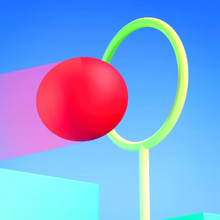
At first, it’s almost cute. The ball goes up, comes down, you try again. But then you notice the hoops. Not just as decoration, but as multipliers, checkpoints, little moments of fate where your trajectory either becomes glorious or becomes a sad little bonk that ruins your momentum. You start aiming on instinct, then you start aiming on purpose. Suddenly you’re not casually playing, you’re calculating angles like a stressed-out astronaut launching a snack into orbit. 😅🚀
The best part is how quickly it feels personal. You miss one hoop and your brain goes wow, okay, the game hates me. You thread a hoop perfectly and your brain goes I am a genius and nobody can tell me otherwise. That emotional whiplash is basically the soundtrack.
𝗧𝗛𝗘 𝗛𝗢𝗢𝗣𝗦 𝗔𝗥𝗘 𝗡𝗢𝗧 𝗝𝗨𝗦𝗧 𝗥𝗜𝗡𝗚𝗦, 𝗧𝗛𝗘𝗬’𝗥𝗘 𝗗𝗘𝗔𝗟𝗦 🤝🟡
In Idle Higher Ball, hoops are opportunities with teeth. You pass through one and your bounce power suddenly feels smarter, like the game just nodded at you and said fine, you earned it. Miss one and you don’t just lose height, you lose the chain. And chains are everything. A clean chain is momentum, money, upgrades, that delicious feeling of escalation. A broken chain is you watching your ball wobble downward while you pretend you’re totally calm. You’re not calm. 😭
What’s sneaky is that hoops also change how you think about risk. A hoop that’s slightly off your natural path becomes a temptation. You could play safe and take the straight line, but the multiplier is calling your name like a shiny coin in a dark alley. So you adjust. You try to thread it. Sometimes you nail it and it feels like stealing a win from the universe. Sometimes you miss and it feels like you voluntarily walked into embarrassment. Either way, you learn. Either way, you tap again.
And the loop keeps you honest. You can’t brute force clean runs forever. You have to respect the rhythm. You have to watch the arc. You have to accept that “just a tiny adjustment” can become “why is my ball flying sideways like it’s allergic to success.” 🌀😬
𝗨𝗣𝗚𝗥𝗔𝗗𝗘𝗦 𝗧𝗛𝗔𝗧 𝗧𝗨𝗥𝗡 𝗦𝗠𝗔𝗟𝗟 𝗕𝗢𝗨𝗡𝗖𝗘𝗦 𝗜𝗡𝗧𝗢 𝗟𝗔𝗨𝗡𝗖𝗛 𝗗𝗔𝗬 🔧🚀
Here’s where the idle part starts whispering in your ear. Idle Higher Ball doesn’t rely on you being perfect forever. It rewards effort with growth, and growth with ridiculousness. You earn currency, you invest it, and the ball gradually becomes less “toy” and more “projectile with ambition.” Power climbs. Bounces get punchier. Recovery after a bad miss becomes faster. Suddenly a mistake doesn’t end a run, it just bruises it.
That progression is the hook. You start imagining what your setup could look like in ten minutes. Then in twenty. Then you’re upgrading something and you realize you’ve been playing way longer than you planned because the next upgrade is always close. Always. The game makes “almost there” feel like a lifestyle. 😅💸
Upgrades also change your playstyle. Early game is careful. You’re learning how the ball behaves, how the hoops sit, where the arc naturally wants to go. Later, the ball is stronger and the pace is higher, and now your job is damage control. With more power comes less forgiveness. Overshoot becomes common. Tiny aim mistakes get amplified. So even while you’re getting stronger, you’re also being asked to stay sharp. It’s like getting a faster car and realizing the road didn’t get wider. 🏎️😵
𝗧𝗛𝗘 𝗭𝗢𝗡𝗘: 𝗪𝗛𝗘𝗡 𝗬𝗢𝗨’𝗥𝗘 𝗡𝗢𝗧 𝗧𝗛𝗜𝗡𝗞𝗜𝗡𝗚, 𝗝𝗨𝗦𝗧 𝗙𝗘𝗘𝗟𝗜𝗡𝗚 🎧✨
Every good physics skill game has a moment where your hands start doing the right thing before your brain finishes the sentence. Idle Higher Ball has that too. You stop over-aiming. You stop panicking on the release. You find a rhythm that feels almost musical. Pull, release, watch, adjust, repeat. The ball rises, snaps through a hoop, gets juiced, rises again. And for a short stretch, everything clicks.
That’s the zone, and it’s addictive because it feels earned. Not random. Earned. You feel like you’re controlling chaos with a gentle touch. Your timing is clean, your angle makes sense, your chain stays alive, and the screen turns into a vertical victory parade. Then you notice how high you’ve gotten and your brain gets excited and excitement is basically a curse. You twitch, you overcorrect, the ball clips the edge of a hoop, and the zone evaporates like a dream you weren’t allowed to keep. 😭🌙
But even that is part of the appeal. The game keeps giving you a reason to try again because you know you can get back there. You’ve seen it. You’ve tasted it. It’s not imaginary. It’s just… fragile.
𝗦𝗞𝗜𝗟𝗟 𝗚𝗔𝗠𝗘 𝗗𝗜𝗦𝗚𝗨𝗜𝗦𝗘𝗗 𝗔𝗦 𝗖𝗢𝗠𝗙𝗢𝗥𝗧 𝗙𝗢𝗢𝗗 🍯🏀
Idle Higher Ball is comfort gaming with sharp edges. It looks simple, feels relaxing, and then quietly tests your precision. That mix is why it’s perfect for quick sessions on Kiz10.com. You can jump in, make progress, upgrade, feel stronger, and leave. Or you can fall into the “I’ll stop after the next good run” trap, which is a lie you tell yourself with a straight face. 😅
It’s also one of those games that makes you care about tiny improvements. Not only higher height, but cleaner height. Passing more hoops in a row. Recovering faster after a mistake. Finding the sweet angle that keeps you centered. You start setting micro-goals without realizing it, and suddenly you’re grinding like you’re training for an imaginary tournament. Nobody asked you to do this. You chose this. 😂🏆
And the visuals, the feel, the upward chase, all feed into the same idea: progress should look like progress. When the ball starts going higher, it feels dramatic. When you chain hoops, it feels flashy. When upgrades kick in, you can sense it immediately. That feedback is everything. It keeps your brain rewarded even when you’re not playing perfectly.
𝗧𝗛𝗘 𝗟𝗜𝗧𝗧𝗟𝗘 𝗧𝗛𝗜𝗡𝗚𝗦 𝗧𝗛𝗔𝗧 𝗠𝗔𝗞𝗘 𝗬𝗢𝗨 𝗚𝗢 𝗛𝗜𝗚𝗛𝗘𝗥 🧠🪄
If you want to climb higher consistently, the secret isn’t “more force.” It’s calmer releases. Most misses happen because you rush the moment you see a hoop. Try aiming one beat earlier than you think you need. Let the trajectory settle, then commit. If your ball keeps drifting off-line, don’t fix it with dramatic swings. Fix it with tiny corrections and repeatable timing. Consistency is a multiplier the game doesn’t list, but it absolutely exists. 😌
Also, treat hoops like checkpoints, not targets. If you stare at the hoop too hard, you’ll over-aim and jerk the release. Instead, focus on the path that will naturally carry the ball through the hoop. It’s a weird mental shift, but it helps. You’re not forcing the ball into the ring. You’re guiding it into a good line and letting physics do the rest.
And when you miss, don’t emotionally spam attempts. Reset your rhythm. One clean attempt beats five angry ones. Angry throws are how you end up watching your ball bounce sadly while you question your life choices. 🥲
𝗙𝗜𝗡𝗔𝗟 𝗩𝗜𝗕𝗘: 𝗔 𝗦𝗜𝗠𝗣𝗟𝗘 𝗨𝗣𝗪𝗔𝗥𝗗 𝗢𝗕𝗦𝗘𝗦𝗦𝗜𝗢𝗡 ⛅🏀
Idle Higher Ball is the kind of game that turns “going up” into a whole personality. It’s a physics-based skill loop wrapped in idle progression, so you always feel like you’re improving, even while you’re still chasing that perfect chain. If you like upgrade games, ball physics, satisfying bounce mechanics, and a steady climb that keeps teasing you with “you can go higher,” this one fits right in on Kiz10.com. Just don’t be surprised when you say “last try” and then immediately do another. And another. And another. 😈🕒



 4.1 (13 votes)
 Share
Share
 Embed
Embed