𝐀 𝐡𝐨𝐭𝐞𝐥 𝐰𝐢𝐭𝐡 𝐧𝐨 𝐧𝐨𝐢𝐬𝐲 𝐠𝐮𝐞𝐬𝐭𝐬, 𝐨𝐧𝐥𝐲 𝐭𝐢𝐥𝐞𝐬 🏨
Hotel Mahjong has one of those names that feels instantly comforting. You already know the mood before the first move. There is a hotel. There is mahjong. That means order, pattern, calm pressure, and the very real possibility that what looked relaxing two minutes ago is now a private battle between you and one stubborn tile hiding under three others. That is exactly the kind of energy a good puzzle game should have. Quiet on the surface, surprisingly intense once your brain is fully inside it.
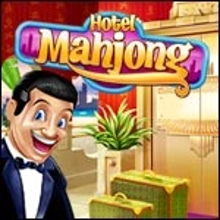
What makes Hotel Mahjong so appealing on Kiz10 is the way it turns a classic tile-matching idea into something that feels more inviting and more playful than a plain board. This is not just a cold stack of pieces floating in space. It has a setting. A sense of progression. A little bit of elegance. The official Kiz10 page describes it as a mahjong game where you combine tiles across 20 floors of a grand hotel, with five variations of the classic formula and extra areas like the casino, recreation room, and terrace waiting to be unlocked.
That already gives the game more personality than a standard puzzle title. It feels less like you are simply clearing layouts and more like you are moving through a place, one room at a time, one solved layer at a time, one beautifully annoying blocked tile at a time. And honestly, that works. A lot. Mahjong games are at their best when they turn patience into progress, and Hotel Mahjong clearly understands that rhythm.
𝐓𝐰𝐨 𝐦𝐚𝐭𝐜𝐡𝐢𝐧𝐠 𝐭𝐢𝐥𝐞𝐬 𝐜𝐚𝐧 𝐫𝐮𝐢𝐧 𝐨𝐫 𝐬𝐚𝐯𝐞 𝐲𝐨𝐮 🀄
The beauty of a mahjong game is that it always looks manageable right before it stops being manageable. You start with confidence. The board seems readable. A few obvious matches jump out. You clear them, feel smart, and settle into a nice little flow. Then the board tightens. The easy pairs disappear. Suddenly every move feels more important because opening the wrong space can leave you staring at a pattern that feels personally insulting.
That is where Hotel Mahjong becomes satisfying.
A good mahjong puzzle is never only about spotting identical tiles. It is about sequence. About freedom. About understanding which moves create space and which moves only look useful for a second before trapping your options. Hotel Mahjong likely lives in that exact sweet spot where calm observation matters more than speed, but good decisions still create a wonderful sense of momentum. You are not rushing. You are reading. You are peeling back the board layer by layer and trying to leave yourself enough room for the next step.
That style of play feels incredibly clean. No chaos. No random noise. Just logic, pattern recognition, and the small emotional rollercoaster of finding the exact pair you needed after ten seconds of suspicious silence. Mahjong does that better than almost any puzzle genre. It rewards focus in a way that feels immediate and graceful. Hotel Mahjong adds a warm thematic wrapper around that formula, which makes the whole experience more charming.
𝐄𝐚𝐜𝐡 𝐟𝐥𝐨𝐨𝐫 𝐟𝐞𝐞𝐥𝐬 𝐥𝐢𝐤𝐞 𝐚 𝐥𝐢𝐭𝐭𝐥𝐞 𝐛𝐫𝐚𝐢𝐧 𝐭𝐞𝐬𝐭 𝐰𝐢𝐭𝐡 𝐧𝐢𝐜𝐞 𝐰𝐚𝐥𝐥𝐩𝐚𝐩𝐞𝐫 🧠
The hotel structure is one of the smartest parts of the concept. Puzzle games become more memorable when they feel like they are taking you somewhere, even if that journey is simple. A sequence of rooms, floors, or themed spaces gives the player a feeling of movement. You are not only solving boards. You are advancing through the hotel, unlocking new areas, and getting that pleasant little sense that each completed room leads to another layer of the experience.
That matters because it gives the puzzle flow more texture. One board is fun. A whole hotel of boards feels like an adventure built from quiet victories. It makes every solved layout feel like progress, not just a score event. That is a subtle but important difference. Players stay more invested when the game gives them the feeling of opening new spaces and moving deeper into the setting.
And the setting itself helps. Hotels have a natural mood to them. They suggest rooms, order, style, and hidden corners. Pair that with mahjong and suddenly the game feels less abstract and more atmospheric. There is something neat about clearing a room with the same calm energy you might use to straighten a shelf or organize a desk. The puzzle becomes elegant rather than sterile. Hotel Mahjong gets extra charm from that alone.
𝐓𝐡𝐞 𝐜𝐚𝐥𝐦 𝐢𝐬 𝐫𝐞𝐚𝐥, 𝐛𝐮𝐭 𝐬𝐨 𝐢𝐬 𝐭𝐡𝐞 𝐬𝐭𝐫𝐮𝐠𝐠𝐥𝐞 🌙
One of the best things about mahjong games is that they can be relaxing and demanding at the same time. That sounds contradictory, but it is true. Hotel Mahjong probably feels very peaceful in motion. The visuals are likely clean, the interactions clear, the pace deliberate. But beneath that softness there is still a real challenge. You have to pay attention. You have to read the board correctly. You have to avoid the kind of lazy matching that feels good for five seconds and causes trouble a minute later.
That balancing act is exactly why these games stay popular. They do not scream for your attention. They earn it. A strong mahjong game creates focus naturally. You sit down for one board, then another, then another, because the challenge is gentle enough to feel welcoming but sharp enough to keep your mind engaged. Hotel Mahjong seems built for that rhythm. It is the kind of game that can feel cozy while still quietly testing your planning.
And when a difficult board finally opens up, when the pair you needed appears, when the layout that looked impossible starts collapsing in exactly the right order, the payoff is fantastic. Not explosive. Not dramatic. Just deeply satisfying. A clean, smart little victory. Those are the moments mahjong players remember.
𝐂𝐚𝐬𝐢𝐧𝐨, 𝐥𝐨𝐮𝐧𝐠𝐞, 𝐭𝐞𝐫𝐫𝐚𝐜𝐞, 𝐚𝐧𝐝 𝐨𝐭𝐡𝐞𝐫 𝐩𝐥𝐚𝐜𝐞𝐬 𝐭𝐨 𝐛𝐞 𝐨𝐮𝐭𝐬𝐦𝐚𝐫𝐭𝐞𝐝 ✨
The extra hotel areas mentioned on Kiz10 add another nice layer to the game’s identity. The casino, the recreation room, the terrace, those are not just random words. They create flavor. They make the hotel feel like a complete place rather than a generic puzzle menu with prettier framing. That sort of detail helps the game stand out, especially on Kiz10 where players often scroll through many puzzle options. A strong theme gives a classic format more presence.
It also fits the idea of variety. The Kiz10 page mentions five variations of the classic formula, which suggests Hotel Mahjong is not content to feel flat or repetitive. That is important for a puzzle game with multiple stages. Players want familiarity, yes, but they also want enough variation to keep their attention fresh. New board shapes, different visual rhythms, and changing layouts can do a lot to make each floor feel worth reaching.
That is where Hotel Mahjong probably gets its longer-lasting appeal. It is not only the classic satisfaction of clearing pairs. It is the small journey from room to room, the feeling of opening new spaces, and the pleasure of solving boards in a setting that actually feels themed rather than generic.
𝐎𝐧𝐞 𝐦𝐨𝐫𝐞 𝐫𝐨𝐨𝐦, 𝐨𝐧𝐞 𝐦𝐨𝐫𝐞 𝐛𝐨𝐚𝐫𝐝, 𝐨𝐧𝐞 𝐦𝐨𝐫𝐞 𝐩𝐚𝐢𝐫 🎯
Hotel Mahjong works because it understands the strength of classic puzzle design. It does not need to reinvent mahjong from scratch. It just needs to present it in a way that feels polished, pleasant, and rewarding. On Kiz10, that means a hotel-themed tile-matching experience where progress feels smooth, the setting feels elegant, and every solved board gives you that clean little spark of satisfaction that keeps good puzzle games alive.
For players who enjoy mahjong games, brain games, tile matching, and relaxing but clever puzzle challenges, this is a very strong fit. It is calm without being sleepy, simple without being empty, and familiar without feeling boring. That is a difficult balance to hit, and Hotel Mahjong seems to land in exactly the right place.
Sometimes the best puzzle games are not the loudest ones. Sometimes they are the ones that let you settle in, focus up, and quietly become obsessed with one last pair of tiles before you stop.
Hotel Mahjong absolutely feels like that kind of game.
















 4.5 (11 votes)
 Share
Share
 Embed
Embed