🟣🚪 A SOFT HERO IN A HARD WORLD
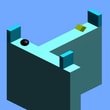
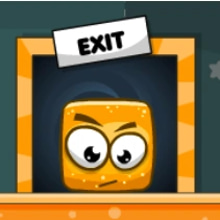
Jelly Escape starts with that classic unfair feeling: you’re made of wobble, the level is made of cruelty, and the exit door is sitting there like it’s judging you. One tiny jelly, a maze of hazards, and the constant sense that the floor is plotting. It’s a puzzle platformer with quick reactions, but the real brain-bite comes from reading the room, understanding what the game wants from you, and then doing it without getting toasted. Because yes, there’s fire. There are traps. There are places where you’ll confidently jump and immediately realize the landing is a lie 😅. On Kiz10, it feels like the perfect “short levels, sharp learning” escape game: you try, you fail, you grin, you try again, and your jelly slowly becomes a little legend.
The core goal is clean and satisfying. Get from start to exit. Sounds easy until you notice the obstacles aren’t just sitting still waiting politely. They’re placed to mess with timing, force decisions, and punish panic. And because you’re a jelly, movement feels playful, almost bouncy, which makes the danger funnier. You’re not a knight in heavy armor. You’re a squishy blob trying to survive a world built for metal spikes. That contrast gives the game its personality.
🔥🧠 THE FIRST RULE: DON’T RUSH, EVEN WHEN YOU FEEL FAST
At the beginning, Jelly Escape tricks you with comfort. The first few moments feel manageable, like you can just hop through and collect progress like it’s candy. Then a fire hazard shows up and reminds you that speed without thought is basically volunteering for disaster. The timing windows are the whole deal here. A jump isn’t just “press jump.” It’s “press jump at the exact moment the floor stops being evil.” And the more traps the game adds, the more it asks you to think two steps ahead.
This is the kind of platform puzzle where patience looks boring but wins. Waiting half a second before crossing a danger zone can be the difference between a clean run and a dramatic melt-down. The game rewards players who pause and watch, even if your instincts scream “GO GO GO.” That’s the funny tension: the jelly wants to keep moving, but your brain needs to act like a cautious engineer.
🟢🫧 OTHER JELLIES, BAD VIBES, AND PERSONAL SPACE ISSUES
Then you notice them. Other jellies. They’re not your cute cousins cheering you on. They’re obstacles with attitude. Sometimes they block paths, sometimes they force you to take a different route, and sometimes they simply exist to pressure you into making a rushed move. They’re like living distractions. You’ll find yourself thinking, “Okay, I’ll just slip past…” and then you misjudge the spacing and bump into trouble like a cartoon character who deserved it.
This is where the game starts feeling like a proper escape challenge instead of a simple jumper. It’s not only about hazards on the floor, but also about the space you occupy, the timing of your approach, and whether you can keep calm when the room feels crowded. Jelly Escape is small-scale, but it knows how to build tension in tight spaces. A narrow corridor plus a trap plus a moving enemy is basically a puzzle sentence with no punctuation. Your job is to add the punctuation. With jumps. With timing. With restraint 😬.
🧩🎭 ROOMS THAT FEEL LIKE LITTLE PRANKS
Each level is like a short trick. Not a huge labyrinth, not a marathon, more like a series of compact challenges that make you solve one idea at a time. Sometimes it’s a timing lesson. Sometimes it’s a “don’t jump too early” lesson. Sometimes it’s “yes, you can jump there, but you’ll regret where you land.” The beauty is that the game doesn’t waste your time. You read the room, you attempt, you learn quickly.
And the learning feels good because it’s immediate. When you fail, you usually know why. Not in a vague “the game is unfair” way, but in a sharp “I did that wrong, I can fix it” way. That’s the best kind of browser puzzle platformer energy. You’re never far from improvement. You’re always one better decision away from the exit door.
🟣✨ THE WEIRDLY SATISFYING IDEA OF “LEAVING YOUR MARK”
There’s a playful concept in Jelly Escape that feels like the level remembers you. Like you’re not just passing through, you’re smearing your presence onto the world. That vibe makes every successful run feel a little more personal, like your jelly isn’t only escaping, it’s claiming space. It turns a simple objective into something with character. You’re a blob, yes, but you’re a blob with a mission and a trail of chaos behind you.
It also helps the game feel less mechanical. Instead of “hit switch, open door, repeat,” the experience becomes more tactile. You start caring about clean movement, about smooth jumps, about not clipping hazards by a pixel. You start treating each room like a tiny stage and you want your jelly to look cool, even if nobody is watching. That’s when you know the game has you.
🎮😵💫 WHEN IT GETS HARD, YOUR HANDS START TALKING TO YOUR BRAIN
Later levels crank up the pressure in a sneaky way. Not by making everything faster all the time, but by stacking decisions closer together. You don’t get long safe zones to relax. You get a jump into a timing hazard into a tight landing into another jump. The game asks you to stay sharp without becoming frantic. If you panic, you over-jump. If you over-jump, you land wrong. If you land wrong, you meet fire. Fire is not forgiving. Fire is a teacher with zero empathy 🔥.
This is where rhythm matters. The best players treat Jelly Escape like a beat. Pause. Move. Hop. Wait. Hop. Commit. You’ll start feeling the timing rather than calculating it, and that’s when the game becomes almost hypnotic. You’re no longer arguing with the level. You’re dancing with it. The traps become predictable. The fear becomes manageable. Your jelly becomes… annoyingly competent.
😄🧠 THE “OKAY, AGAIN” LOOP THAT MAKES IT ADDICTIVE
Jelly Escape is built for replay. That’s not a marketing phrase, it’s a design truth. Levels are short enough that restarting doesn’t feel like punishment. Each attempt teaches you something small. Each success makes you want to see the next room. And because it’s an escape puzzle platform game, there’s always that little curiosity tug: what’s the next trap? what’s the next trick? how rude will the next room be?
It’s also a great game for that specific mood: you want something quick, clever, and satisfying, but not a giant story commitment. You want to play on Kiz10, solve a few rooms, feel smart, and leave before the dungeon starts bullying you too hard. Or… you stay and keep pushing because you’re one clean run away from a perfect streak. That’s the trap. The good kind.
🏁🟢 WHY JELLY ESCAPE WORKS SO WELL ON Kiz10
At its heart, Jelly Escape is a trap-dodging puzzle platformer with a simple goal and a lot of personality. It mixes timing challenges, hazard reading, and tight movement in a way that feels approachable but still sharp. You can be new and enjoy the early rooms. You can be experienced and chase clean clears. You can fail a bunch and still feel entertained because the jelly physics and the level pranks keep it light.
So yeah, guide your squishy hero, respect the fire, treat every room like a tiny puzzle, and remember this: the exit is always closer than it looks… unless you get greedy. Then it’s suddenly very far away 😅🟣🚪.














 4.4 (24 votes)
 Share
Share
 Embed
Embed