🚦🌆 A crosswalk fantasy that turns into survival
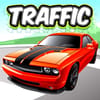
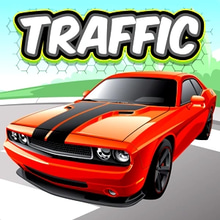
Kiz10 Traffic looks like a simple idea: help a character cross the avenue and reach the destination safely. Then the first wave of cars comes in like a moving wall and you realize this isn’t a “walk forward” game, it’s a timing puzzle disguised as a normal street. One lane feels safe, the next lane is pure chaos, and your brain instantly flips into that hyper-alert mode where you start counting gaps like you’re doing math against speeding metal. On Kiz10, this kind of car-and-crossing challenge hits a sweet spot: it’s easy to understand in one second, but it punishes lazy decisions immediately.
What makes it tense is the honesty. There’s no long tutorial to hide behind. You step forward, traffic reacts, and the road teaches you its rules. You can’t argue with the rules. You can only adapt.
🚗💥 The road isn’t random, it’s a rhythm you have to learn
At first, every lane feels unfair because everything is moving and you’re not sure where to look. Then something clicks. You stop staring at the character and start staring at the pattern. Cars come in waves. Gaps appear in beats. Some lanes are fast and require quick decisions, others are slower but trickier because they tempt you to rush. That’s the real challenge of Kiz10 Traffic: you’re not only reacting, you’re reading.
Once you start reading, the game becomes weirdly satisfying. You wait half a second, step into the perfect gap, pause on a safe spot, then move again. It feels like slipping through a closing door without touching the frame. Tiny victories, one lane at a time.
🧠🛑 The hardest enemy is your own impatience
Most fails in Kiz10 Traffic don’t happen because you didn’t see the car. They happen because you saw it and moved anyway. You get that classic thought: I can make it. It’s close, but I can make it. And then you learn the difference between “close” and “safe” in a very dramatic way.
The game trains a specific skill: controlled aggression. You do need to move forward. You can’t freeze forever. But you also can’t sprint into lanes like you’re immune to physics. The best runs come from players who take risks that are calculated, not emotional. The moment your moves become emotional, the road wins.
⏱️🚦 Micro-decisions that feel huge
The fun of a crossing puzzle game is how small choices carry big consequences. One step too early and you get clipped. One step too late and you miss the only clean opening and now you’re stuck waiting while the next wave arrives. Kiz10 Traffic squeezes tension out of those tiny windows.
You’ll start doing little internal monologues without realizing it. Wait… wait… now. Or, no, not now, that’s bait. Or, okay, I’m going to take the gap after that blue car. And when you execute it correctly, you feel smart in a way that’s hard to explain to someone watching. They just see a character crossing a street. You feel like you solved a living puzzle made of moving danger.
🌙🚙 Safe spots feel like breath, not progress
One thing these road-crossing games do well is turning “standing still” into strategy. In Kiz10 Traffic, stopping on the right tile at the right moment is often more important than moving forward. A safe spot becomes a planning room. You pause, scan the next lanes, spot the rhythm, then commit.
That’s why it can feel cinematic even without story. The drama is in the pause. You’re perched between lanes while cars scream past, waiting for the one gap that lets you continue. The road is loud, your character is small, and your brain is doing the heavy lifting.
🚘🧩 Reading lanes like chapters
As you progress, you stop thinking of the avenue as one big obstacle. You break it into lanes, like chapters in a short thriller. This lane is fast, so I only move on the cleanest opening. This lane is slower, but the gaps are weird, so I’ll bait the wave and move after it clears. This lane looks safe but the speed spikes, so I’m not trusting it.
That shift is when the game gets addictive. You’re not just “trying again,” you’re improving your method. You’re learning to scan, plan, and commit. You start predicting where the safe gap will be before it appears, and that feels great, like you’re finally speaking the language of the road.
😅🚦 The greedy step that ruins everything
There’s always one moment where you’ve done a perfect sequence and you’re feeling confident. You crossed three lanes clean. You’re on a safe spot. You’re close to the end. And then you take the greedy step because you want to finish fast. That’s when the road reminds you it doesn’t care about your confidence.
Kiz10 Traffic has that classic “near-finish pressure” where your hands get slightly faster than your brain. The trick is doing the opposite. When you’re close, slow down. Look again. Treat the final lanes with the same respect as the first. Most last-second fails are just impatience wearing a victory costume.
🎮✨ Why it works so well on Kiz10
On Kiz10, Kiz10 Traffic is the perfect quick-session puzzle game. It loads fast, the goal is instantly clear, and the tension ramps naturally because traffic is always moving. It’s also replay-friendly because every attempt teaches something small. You learn where your eyes should be. You learn when you tend to rush. You learn that “I can make it” is not a plan.
If you enjoy timing games, reflex puzzles, road crossing challenges, or any arcade-style survival where the danger is simple but relentless, this one hits. It’s not complicated. It’s just sharp. And sharp games are the ones that keep pulling you back for “one more clean run.”
🚦🏁 The clean win feeling
The best win in Kiz10 Traffic isn’t messy. It’s smooth. It’s the run where you barely stop, not because you were reckless, but because you read the rhythm perfectly. Step, pause, step, step, pause, step… safe. When you get that flow, it feels like you outsmarted the city itself. No crashes, no luck, just timing and discipline.
Cross the avenues, respect the gaps, and remember the golden rules: the road is always faster than your confidence 🚗⚠️





 Share
Share
 Embed
Embed