𝗧𝗛𝗘 𝗗𝗢𝗢𝗥 𝗖𝗟𝗜𝗖𝗞𝗦… 𝗔𝗡𝗗 𝗧𝗛𝗘 𝗛𝗢𝗦𝗣𝗜𝗧𝗔𝗟 𝗦𝗧𝗔𝗥𝗧𝗦 𝗕𝗥𝗘𝗔𝗧𝗛𝗜𝗡𝗚 🏥😶🌫️🔦
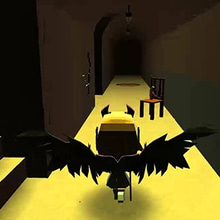
Kogama Haunted Hospital has that specific kind of horror that doesn’t need fancy darkness to feel wrong. The place is bright enough to see the tiles, the metal railings, the odd little corners… and that’s exactly the problem. You can see too much. You can see the long hallway that should be empty but isn’t. You can see the open doorway where the air looks colder. You can see your own character moving like “yeah, I’m fine,” while your brain is doing that quiet little lie: I’m totally fine. I’m not. On Kiz10, it plays like a multiplayer horror escape experience wrapped in Kogama’s blocky style, which somehow makes it more unsettling because it feels playful right up until the moment it doesn’t.
You step in and the hospital immediately feels like a maze built out of bad decisions. There’s always another corridor. Another room. Another staircase. A corner that you swear wasn’t there a second ago. And because it’s Kogama, you’re not alone. Other players are in the same haunted mess, running, jumping, peeking into rooms, sometimes helping, sometimes panicking, sometimes sprinting straight past you like they just remembered they left the oven on in real life. That multiplayer energy changes everything. Horror becomes loud, unpredictable, and weirdly funny, right until it’s suddenly quiet again. 😬
𝗖𝗢𝗥𝗥𝗜𝗗𝗢𝗥𝗦 𝗢𝗙 𝗖𝗛𝗢𝗜𝗖𝗘𝗦 𝗬𝗢𝗨’𝗟𝗟 𝗥𝗘𝗚𝗥𝗘𝗧 🚪🧠🩺
The main loop is simple to understand and brutal to execute: explore, find what you need, survive long enough to get out. But the hospital doesn’t hand you a tidy path. It tempts you with “maybe this door has the key” and punishes you with “congrats, now you’re trapped in a room with only one exit and it’s behind you.” You start reading the map like a nervous detective. You glance at signs, you track where you’ve been, you try to remember if that stairwell led to safety or to a dead end you had to reverse-walk out of while feeling watched.
And it’s not just navigation. It’s momentum. Kogama movement has that bouncy rhythm, and in a haunted hospital, every jump feels slightly louder than it should. You’ll hop onto a ledge to get a better view and think, okay, good, I’m smart… then you realize being “smart” also means you’re standing still in a place where standing still feels like an invitation. So you keep moving. Always moving. Like a nervous habit. Like if you stop, the map will notice. 👀
𝗧𝗛𝗘 𝗦𝗢𝗨𝗡𝗗 𝗢𝗙 𝗙𝗢𝗢𝗧𝗦𝗧𝗘𝗣𝗦 𝗜𝗦 𝗔 𝗦𝗘𝗖𝗢𝗡𝗗 𝗠𝗜𝗡𝗜𝗠𝗔𝗣 👣🔇🎧
In most action games you hunt enemies with your eyes. Here, you hunt safety with your ears. Footsteps, sudden jumps, someone landing nearby, a sprint that starts and then stops… it all becomes information. If you hear frantic movement, danger might be close, or someone found something important and is running like they stole it. If it’s quiet, that can mean “safe” for about half a second, and then it flips into “why is it quiet?” and that’s when your shoulders go up. The hospital weaponizes silence. It turns “nothing happening” into pressure. You start checking corners not because you saw something, but because your brain refuses to accept calm.
Multiplayer makes it even better and worse at the same time. You’ll follow another player because, honestly, being alone feels like a bad idea… then they suddenly change direction and you’re like, wait, why are we running, what do you know that I don’t know, please don’t leave me with the scary hallway. Then you split up and instantly regret it. Classic.
𝗣𝗨𝗭𝗭𝗟𝗘 𝗠𝗢𝗠𝗘𝗡𝗧𝗦 𝗔𝗡𝗗 𝗣𝗔𝗡𝗜𝗖 𝗠𝗢𝗩𝗘𝗦 🗝️😵💫🧩
The “escape” side of Kogama Haunted Hospital is the delicious part. You’re scanning rooms for items, clues, switches, keys, anything that looks like it belongs to progress instead of decoration. The hospital is full of little visual distractions, so the real skill is noticing what matters. A door that looks too important. A route that seems intentionally placed. A suspicious gap that screams “parkour route” even if you’re pretending you’re not scared.
You’ll also have those moments where you’re sure you solved the route… and then you realize you solved the route into the wrong area. It happens. The hospital loves that trick. And the funniest part is your reaction: you don’t calmly backtrack like a rational person. You do the quick “nope nope nope” turn and sprint because your imagination instantly fills the wrong room with ghosts you haven’t even seen yet. 😂
If you’re playing smart, you’ll build tiny mental anchors. “This hall connects to the stairs.” “This room is near the lobby.” “That corner is where I got trapped last time.” Those anchors are how you stop the place from melting into one big corridor soup.
𝗦𝗨𝗥𝗩𝗜𝗩𝗔𝗟 𝗜𝗦 𝗔𝗕𝗢𝗨𝗧 𝗥𝗛𝗬𝗧𝗛𝗠, 𝗡𝗢𝗧 𝗕𝗥𝗔𝗩𝗘𝗥𝗬 🏃♂️🫀🧱
Here’s the secret: you don’t win by being fearless. You win by being consistent. You move with rhythm. You check corners quickly. You avoid getting stuck in tight spaces. You don’t stare at doors for too long. You keep your camera moving, not twitchy, just alert. A lot of players lose because they freeze and try to “think” in the middle of a dangerous area. Thinking is good, but thinking while standing still in a haunted hospital is like loudly announcing your location and then waiting for applause.
When things get tense, use the Kogama movement to your advantage. Jumping to a safer angle, retreating to a wider hallway, climbing a ledge to break line-of-sight, looping around instead of forcing a straight path… those little movement choices keep you alive. And if you’re with other players, pay attention to their behavior. If someone suddenly pivots and sprints, don’t question it too long. Question it while running. 😅
𝗧𝗛𝗘 𝗛𝗢𝗦𝗣𝗜𝗧𝗔𝗟 𝗛𝗔𝗦 𝗔 𝗦𝗘𝗡𝗦𝗘 𝗢𝗙 𝗛𝗨𝗠𝗢𝗥 (𝗜𝗡 𝗔 𝗠𝗘𝗔𝗡 𝗪𝗔𝗬) 🤡🏥🕯️
The best part of Kogama Haunted Hospital is how it creates stories by accident. You’ll have a moment where you and a stranger both reach the same doorway, both pause, both do that tiny side-step like “you go first,” and then you both rush in at the same time and panic-jump off a ledge. You’ll chase the “right path,” realize it’s wrong, and then watch another player confidently run in and immediately turn back like they touched a hot stove. You’ll feel brave for three seconds and then get humbled by a hallway that looked safe five minutes ago.
It’s horror, sure, but it’s also that multiplayer chaos where the scariest sound is someone sprinting behind you because your brain instantly goes, that’s not a player, that’s the thing. Then you see them and you’re like, oh… sorry… my soul briefly left my body. 😭
𝗪𝗛𝗬 𝗜𝗧’𝗦 𝗔 𝗣𝗘𝗥𝗙𝗘𝗖𝗧 𝗞𝗜𝗭𝟭𝟬 𝗛𝗢𝗥𝗥𝗢𝗥 𝗣𝗜𝗖𝗞 🕹️👻🏆
On Kiz10, this game lands as a clean mix of three things people actually love: Kogama-style 3D exploration, multiplayer unpredictability, and horror escape tension that stays fun instead of feeling like a chore. You can jump in quickly, get scared quickly, laugh quickly, and restart without losing your mood. And because the hospital is a maze and other players behave like absolute wildcards, the same map can feel different every run. One run is careful and methodical. Another run is pure sprinting panic. Another run is you accidentally becoming someone’s “teammate” because you both keep running the same route like it’s fate.
If you want a horror escape game where movement matters, exploration matters, and every corridor can turn into a tiny personal disaster story you’ll remember, Kogama Haunted Hospital is the kind of haunted place you’ll keep coming back to… even while saying “I hate this” with a smile. 🏥😈✨





 Share
Share
 Embed
Embed