𝗕𝗼𝗸𝘀𝗶𝗻𝗴 𝗴𝗹𝗼𝘃𝗲𝘀, 𝗷𝗲𝘄𝗲𝗹𝘀, 𝗮𝗻𝗱 𝘀𝘄𝗲𝗮𝘁 𝗶𝗻 𝘁𝗵𝗲 𝗯𝗿𝗮𝗶𝗻 🥊🧠
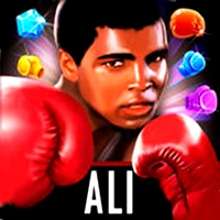
Muhammad Ali Puzzle King is the kind of game that makes you smile first, then lean forward like you’re about to take a real hit. It takes the classic match-3 idea, flips it into a boxing ring, and suddenly your “simple little puzzle” has consequences. Make quick matches, clear glove tiles in groups, and your fighter throws punches. Hesitate, fumble, waste moves, and your opponent starts landing shots like they’ve been waiting for you to blink. It’s a weirdly satisfying mashup: part puzzle rush, part boxing fantasy, and it works because it turns every decision into rhythm. You’re not just swapping tiles to clear space. You’re building momentum, trying to keep pressure high, trying to earn the right to feel unstoppable.
𝗧𝗵𝗲 𝗿𝗶𝗻𝗴 𝗶𝘀 𝗮 𝗯𝗼𝗮𝗿𝗱, 𝗮𝗻𝗱 𝘁𝗵𝗲 𝗯𝗼𝗮𝗿𝗱 𝗶𝘀 𝗺𝗲𝗮𝗻 🥊🧩
The first thing you notice is how the board feels alive once you understand what it represents. Matching is your offense. Speed is your confidence. And the opponent is basically the timer wearing gloves. You’ll start with a few easy matches, feel in control, and then the board shifts, the shapes get awkward, and suddenly the “best move” isn’t obvious anymore. That’s when the boxing part becomes emotional. Because you can feel the pressure build. You can feel that tiny sting of “I need a bigger combo right now,” like you’re trying to land a clean sequence before the other guy wakes up and ruins your day.
And the board loves teasing you. It’ll offer a safe match that’s fine… and a risky match that could be huge if one more tile drops the right way. You’ll start gambling with your own patience. Do you take the guaranteed punch now, or do you set up a bigger chain for later? Later is dangerous. Later is where you get hit. But later is also where you get knockouts. This is the exact tension that keeps you playing.
𝗖𝗼𝗺𝗯𝗼𝘀 𝗮𝗿𝗲 𝗽𝘂𝗻𝗰𝗵𝗲𝘀, 𝗮𝗻𝗱 𝘁𝗵𝗲𝘆 𝗳𝗲𝗲𝗹 𝗽𝗲𝗿𝘀𝗼𝗻𝗮𝗹 👊⚡
A small match feels like a jab. Useful, quick, keeps you active. A bigger match feels like a heavy hook, the kind that makes you go “YES” under your breath because you can almost see the health swing. The magic is when the board cascades. One match triggers another, and suddenly you’ve built a chain reaction that feels like a flurry. That’s the moment Muhammad Ali Puzzle King becomes pure dopamine. You didn’t just clear tiles. You created damage. You created pressure. You created fear in a pixel opponent who deserves it. 😄
But the game also punishes sloppy tempo. If you play like a sleepy accountant, the ring turns cold. The opponent gets chances. The match-3 board becomes less cooperative. And now you’re not “setting up” anything, you’re scrambling. Scrambling is expensive because it leads to weak matches. Weak matches lead to weak punches. Weak punches lead to you getting punched, which is a rude way for a puzzle game to behave, but honestly… it’s kind of brilliant.
𝗧𝗵𝗲 𝗺𝗶𝗻𝗲𝗿’𝘀 𝗹𝗮𝘄 𝗼𝗳 𝗺𝗮𝘁𝗰𝗵-𝟯: 𝗺𝗮𝗸𝗲 𝘀𝗽𝗮𝗰𝗲 𝗼𝗿 𝗴𝗲𝘁 𝘀𝘁𝘂𝗰𝗸 🧱🍬
Match-3 games have a hidden language, and this one speaks it loudly. Space matters. Corners matter. Setting up future moves matters. If you clear tiles without thinking, you can accidentally “flatten” the board into boring options, where every move is tiny and nothing cascades. That’s the danger zone. The enemy doesn’t need you to fail dramatically; they just need you to become inefficient. Inefficiency is how your run dies quietly.
So you start playing smarter. You begin seeing patterns. You stop grabbing the first match your eyes land on and start asking a better question: what move creates the best board next? Not the best move now, the best board next. Because next is where the big combos live. Next is where you manufacture a knockout instead of begging for one.
𝗧𝗵𝗲 𝘀𝗲𝗰𝗼𝗻𝗱 𝘆𝗼𝘂 𝘀𝘁𝗼𝗽 𝗰𝗼𝗺𝗺𝗶𝘁𝘁𝗶𝗻𝗴, 𝘁𝗵𝗲 𝗼𝗽𝗽𝗼𝗻𝗲𝗻𝘁 𝗰𝗼𝗺𝗺𝗶𝘁𝘀 𝗳𝗼𝗿 𝘆𝗼𝘂 😬🥊
There’s a funny psychological trap in this game: you’ll think you have time. You’ll stare at two possible swaps and debate like you’re writing a thesis. Meanwhile, the ring energy says “no.” The game thrives on tempo. Quick decisions keep you in control. Slow decisions make you feel like you’re slipping, even if you don’t see the slip immediately. And once you feel yourself slipping, you start forcing moves. Forced moves are how you miss obvious cascades. Missed cascades are how you lose what should’ve been a clean advantage.
So the best way to play is to treat it like boxing: stay active. Stay sharp. Don’t freeze. Make a plan, but don’t worship the plan. If the board changes, adapt fast. If a cascade opens a new lane, take it. If a setup doesn’t appear, take the solid punch now and move on. The board doesn’t reward perfection. It rewards flow.
𝗧𝗿𝗮𝗶𝗻𝗶𝗻𝗴 𝗺𝗼𝗱𝗲 𝗳𝗼𝗿 𝘆𝗼𝘂𝗿 𝗲𝘆𝗲𝘀 👀⏱️
The longer you play, the more you notice your own habits. You’ll realize you keep staring at the center and forgetting the edges. You’ll realize you ignore opportunities to create four-in-a-row style situations because you’re addicted to immediate matches. You’ll realize you’re not “bad,” you’re just impatient. That’s why it feels so replayable on Kiz10: the improvement is real and it’s visible. Your eyes start scanning faster. Your brain starts predicting drops. You begin seeing two moves ahead without consciously trying.
And when you hit that zone, the game feels smooth. You’re matching, cascading, punching, maintaining pressure, and everything feels like it’s going your way. Then the board does something messy, because of course it does, and you have to rebuild control. That constant rebuild is the heart of the challenge. It’s not a calm puzzle. It’s a puzzle with adrenaline.
𝗞𝗻𝗼𝗰𝗸𝗼𝘂𝘁 𝗳𝗲𝗲𝗹𝗶𝗻𝗴𝘀 𝗳𝗿𝗼𝗺 𝗮 𝗽𝘂𝘇𝘇𝗹𝗲 𝗴𝗮𝗺𝗲 🏆💥
The best moment in Muhammad Ali Puzzle King is when your setup pays off in a way that feels unfair (to the opponent, not to you). You create a cascade, the board cleans itself, and you land a heavy sequence like the game finally admitted you’re the boss. That’s when you get the “I’m not stopping now” energy. One more fight. One more board. One more attempt to do it cleaner, faster, with fewer wasted swaps.
Because solved isn’t enough here. You want dominance. You want efficiency. You want the run where you never feel behind, where the opponent never gets comfortable, where every combo feels like it was planned even though you were improvising the whole time.
𝗦𝗺𝗮𝗹𝗹 𝘁𝗶𝗽𝘀 𝘁𝗵𝗮𝘁 𝗺𝗮𝗸𝗲 𝘆𝗼𝘂 𝗵𝗶𝘁 𝗵𝗮𝗿𝗱𝗲𝗿 🧠🥊
Try to build matches that create follow-ups, not just clears. If you can set up a drop that will automatically match again, you’re basically preparing a second punch while the first one lands. Keep your eyes open for patterns that can become bigger groups with one move. And if the board looks dry, don’t panic-swap. Use one safe move to reshape the board and create space, then hunt for the cascade again. Also, watch your own tempo. The game rewards speed, but not frantic speed. Calm speed. Fast decisions that still make sense.
Muhammad Ali Puzzle King is a great pick when you want something that feels classic, but with an extra bite. It’s match-3, but it’s also pressure. It’s puzzle logic, but it’s also momentum. It’s a fight where your smartest weapon is your ability to see the board, trust your instincts, and keep throwing combos until the ring goes quiet.





 Share
Share
 Embed
Embed