❄️⚡ Two forces, one very bad idea called cooperation
Polar Opposites sounds like the kind of game built around tension before you even touch the controls. The title already does the work. It suggests contrast, conflict, and a system where two things that should not fit together somehow need to share the same space. That usually leads to one of two outcomes: a clever puzzle game, or a complete emotional breakdown in cute colors. Ideally both.
I could not verify a clearly indexed Kiz10 page for Polar Opposites by that exact name, so this description is based on the title and on the kind of opposite-driven puzzle games Kiz10 does carry, especially games built around mirrored movement, paired forces, and elemental contrast. Kiz10 currently features related logic and “opposites” lanes like Summetry Game, where movement mirrors across the board, plus Fireboy-and-Watergirl-style pages centered on opposite elements that must work together.
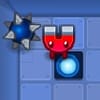
That makes Polar Opposites feel, naturally, like a puzzle platform game where difference is the entire mechanic. Not just decoration. Not a cute theme pasted onto normal jumping. Difference itself is probably the problem. Cold versus heat. Left versus right. attraction versus rejection. One character opens a path while the other ruins it. One move helps half the level and breaks the rest. That kind of design is wonderful because it makes every action feel loaded.
And honestly, games about opposites are always a little meaner than they first appear. The rules sound elegant. The screen looks manageable. Then suddenly you realize the whole level is a tiny political dispute between forces that fundamentally disagree on how movement should work. Now you are not just playing. You are negotiating.
🧩🌌 The joy of solving something that keeps disagreeing with itself
What makes a title like Polar Opposites appealing is the built-in contradiction. Puzzle games become more interesting the second one mechanic pulls against another. If one side wants motion and the other side wants restraint, or one element can touch one hazard but not another, then the board stops being a route and starts being an argument. That is where the fun lives.
Kiz10’s Summetry Game is a good example of how strong mirrored or opposite-input puzzle logic can be. Its core idea is that one movement echoes through the board in a mirrored way, turning each step into a little chain of consequences. Polar Opposites sounds like it would thrive in that same space, where you cannot think only about the move you want right now. You have to think about what the opposite side of the level will do with it.
That instantly makes the gameplay smarter. A jump is not only a jump. A switch is not only a switch. A platform is not only a platform. Everything becomes relational. If you move one piece, what reacts somewhere else? If one side gains safety, does the other side lose it? If you align both halves for one perfect second, can you squeeze through before the level decides to become unreasonable again? Beautiful structure. Mildly cruel. Very effective.
🧲🧠 Opposites make simple mechanics feel sharper
The best thing about this kind of concept is that it does not need giant complexity to feel clever. Give the player two contrasting rules and let the level build pressure from there. Suddenly a small room becomes a serious problem. Timing gains weight. Order matters. You start planning not just where to go, but when to let each force act.
That is why opposite-based puzzle games are so sticky. They create those lovely moments where confusion turns into clarity all at once. At first the system feels unfair. Then you spot the pattern. Then the whole level opens up and you feel absurdly smart for understanding something that looked impossible thirty seconds earlier. That feeling is the engine. It keeps you going.
Kiz10’s opposite-themed catalog supports that reading too. Fireboy and Watergirl games on the site are explicitly framed around two opposing elements that only succeed through coordination, while Sun and Water is presented around contrasting forces working together inside puzzle logic. Polar Opposites belongs naturally in that family of games where difference is not an obstacle to ignore, but the actual path forward.
🌨️🎯 Why the atmosphere matters too
The word “polar” gives the whole concept a colder identity, and that helps. Even without a verified Kiz10 page for this exact title, the name suggests icy tension, sharp spaces, and a cleaner, more brittle mood than a generic puzzle platformer. That kind of aesthetic works well because it makes every mistake feel more severe. A slippery route, a frozen hazard, an arctic vibe, all of that adds pressure without needing louder mechanics.
Kiz10 already carries clearly winter or polar-leaning titles like Arctic Pong and Bouncemasters, both of which show how well cold-themed arcade presentation can translate into browser play. If Polar Opposites uses that same cold visual energy but channels it into puzzle design, then it has a strong identity right away. Less cozy winter, more crystalline danger.
And that is the charm. A puzzle game about opposites should feel crisp. Delicate. Slightly hostile. Like the level will absolutely reward careful thought, but only if you stop trying to brute-force it with confidence and vibes.
⚖️✨ Final thoughts from the frozen argument zone
Polar Opposites sounds like the kind of Kiz10 game that turns contrast into mechanics and mechanics into tension. That is a strong formula. It gives players a brainy challenge without losing momentum, and it makes every success feel earned because the solution depends on understanding how two conflicting forces can briefly align.
If you like logic platformers, mirrored-movement puzzles, elemental contrast games, and browser challenges where the whole board seems to be disagreeing with itself on principle, this one has the right energy. Cold, clever, and just annoying enough to become addictive. Which is usually the sign of a good puzzle game.




 4.5 (17 votes)
 Share
Share
 Embed
Embed