🕵️♀️🔍 Two pictures, one problem: your eyes are not ready
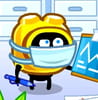
Silly Ways To Die Differences is the kind of game that looks harmless for exactly three seconds. Bright cartoon scenes, goofy characters, cheerful colors… and then the timer shows up like a strict teacher and suddenly you’re squinting at the screen like you’re trying to read a secret code. 😅 On Kiz10, this is a spot the difference puzzle game with a mischievous twist: you’re not just hunting changes for fun, you’re racing to find them before time runs out and the characters manage to get themselves into yet another ridiculous, avoidable accident.
It’s simple in the best way. Two images appear. They look almost identical. Almost. Somewhere in those scenes there are tiny differences hiding in plain sight: a missing detail, a swapped color, an object that shouldn’t be there, a tiny visual prank designed to make you doubt your own vision. Your job is to click the differences as quickly as possible and keep the chaos under control. No complicated mechanics, no slow buildup, just pure observation pressure with a comedic “please don’t die again” vibe humming underneath everything.
⏱️😬 The timer turns a calm puzzle into a mini panic movie
Spot the difference games are usually relaxing, right? You sip a coffee, you casually compare images, you feel smart. Silly Ways To Die Differences says: sure, you can relax… if you enjoy losing. The timer makes every second feel valuable, and that changes how you play. You stop drifting. You start scanning with intention. Your brain starts doing these weird little jumps: top-left, bottom-right, middle, edge, back to top-left, repeat. You’re not just looking, you’re searching like a tiny detective who has been personally offended by a missing button on someone’s shirt.
And when you miss something obvious, it hits harder than it should. You’ll stare at a scene for ten seconds, convinced there are no differences left, then notice a huge change you somehow ignored the entire time. The emotional arc is always the same: confidence, suspicion, frustration, sudden clarity, victory… then immediate fear because the next scene loads in and it looks even trickier. 😂
🎭💥 The silly danger is the flavor, the details are the real enemy
The “Silly Ways To Die” energy gives the whole thing personality. These characters are famous for finding new ways to fail at being alive, and the differences you’re hunting often feel like tiny clues to the next potential disaster. That’s what makes it fun to look at. The scenes aren’t generic stock images; they feel like little cartoons mid-chaos. You’re not comparing boring landscapes, you’re comparing situations that already look like something is about to go wrong.
But the actual challenge is pure focus. The game wants you to get distracted by the humor, then sneak a small difference into a corner where you’re least likely to look. It’ll hide a change in a background object while you’re staring at the character’s face. Or it’ll change something on the character while you’re busy checking the environment. It’s playful, but it’s also sneaky in that satisfying puzzle way.
👀🧠 How your eyes learn a strategy without you noticing
After a few rounds, you start developing habits. You might not even realize it, but your scanning becomes structured. Many players start with the big shapes: character outlines, large props, major colors. Then you move to the medium details: signs, tools, clothing parts. Then you dive into the tiny stuff: buttons, patterns, small items, weird little marks that look decorative until they aren’t.
And then there’s the real skill: knowing where the game likes to hide changes. Corners. Edges. Repeating patterns. Areas your eyes skip because they look “boring.” Once you learn that, you start catching differences faster, and the game feels less like luck and more like mastery. That’s the addictive part on Kiz10: you can feel yourself improving. Your reaction time gets quicker, your attention gets sharper, and you start trusting your instincts when something looks slightly off.
😵💫😄 The funniest moments are when you’re 99% sure and 100% wrong
Spot the difference games love one specific type of chaos: the confident misclick. You see something, your brain shouts “THAT’S IT,” you click… and nope. Wrong. The game quietly punishes your impatience, and suddenly you’re more careful, but also more stressed, because now you’ve wasted time. It’s a perfect loop of tension and comedy. You start thinking, okay, no more mistakes, I’ll be calm. Then you spot another “obvious” difference and click too fast again because you are, unfortunately, human.
When you finally find a tricky difference that’s been hiding for ages, it feels like you solved a crime. You get that tiny burst of pride like, yes, I have the eyes of a hawk. 🦅 Then the next image appears and humbles you instantly, because now the differences are even smaller and the timer is still ticking. Classic.
🧩🎯 Why this game scratches the “brain training” itch
Silly Ways To Die Differences isn’t just a casual puzzle; it’s a fast observation challenge. It trains the exact skills you feel when you play: pattern recognition, visual memory, quick comparison, and calm decision-making under time pressure. That’s why it’s so easy to keep replaying. You’re not grinding levels for numbers, you’re sharpening your perception. And you can actually feel the improvement as you start noticing details faster than you did five minutes ago.
It also has that satisfying “clean finish” feeling. When you find the last difference and the scene resolves, it feels tidy, like you just snapped the puzzle into place. And because rounds are short, you’re always tempted to do another. One more scene. One more timer. One more chance to prove you’re not going to miss the giant missing object again. 😅
🎮✨ Perfect for quick sessions on Kiz10
This game fits Kiz10 perfectly because it’s instant fun. No long setup, no heavy controls, just click and observe. It’s great when you want something light but still engaging, something that makes your brain work a little without feeling like homework. You can play a couple rounds as a quick break, or you can chase a longer session trying to clear everything with fewer mistakes and better time.
And honestly, that’s the secret charm: it’s a friendly-looking game that secretly demands focus. It’s cute chaos with sharp puzzle teeth. If you like spot the difference games, hidden object-style observation challenges, or quick brain games with a timer, this one delivers the perfect mix of funny visuals and real pressure.
😌🔔 Final tip before the next scene tricks you
Don’t scan randomly. Pick a route. Sweep the image in sections. Compare big shapes first, then drill into small details. And when you feel yourself getting impatient, slow down for half a second and breathe, because a single wrong click can cost more time than careful searching ever will. The game wants you to rush. Don’t give it the satisfaction. Find the differences, beat the timer, and keep the silly characters safe for one more round on Kiz10. 🎭👀






 Share
Share
 Embed
Embed