⚔️ Lines, shadows, and a war drawn in ink
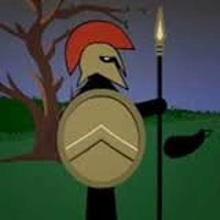
Stick War (Retro Game) begins with a quiet drum and a silhouette skyline. No glossy armor, no shiny UI—just bold outlines and purpose. Your kingdom is a sketch, your soldiers are strokes of black, and somehow that minimalism makes every decision feel louder. A miner lifts his pick, a swordsman flexes a stick-thin wrist, and the enemy statue across the valley glares like a dare. The rules are simple enough to explain in a sentence and deep enough to argue about for hours: mine gold, forge units, control the field, and topple the other statue before they reduce yours to splinters. It’s war distilled, clean, readable, brutally honest.
⛏️ Economy first, glory later
Gold doesn’t glamorize itself; it just decides everything. Your first moves are quiet ones—queue miners, escort them with a lone Swordswrath, and watch the rhythm take shape. Tap to send fresh hands to the vein, pull a guard forward when a scouting spear shakes the grass, pause production for an upgrade that doubles efficiency and halves your stress. That is the loop that anchors Stick War: macro that feels like craft. Every coin you invest buys tempo, and tempo buys survival, and survival buys a parade of sharp ideas wearing different hats.
🛡️ The statue is sacred and so is positioning
Both sides anchor their courage to stone. Your statue is not a health bar; it’s a promise you made to the map. When the enemy pushes with a pointy wedge of Speartons and hopeful Archidon cover, your job isn’t just to meet them—it’s to shape the field so their angle becomes your advantage. Pull melee a step forward, plant shielders at a slight diagonal, let archers sing from two paces back, then tap the call to arms if the line buckles. That horn flips your workers into emergency bruisers for a breath, and it feels heroic every time because it buys your real soldiers the seconds they need to win the conversation.
🏹 Unit personalities that read at a glance
Swordswrath are momentum in shoes—cheap, quick, eager to trade. Speartons are geometry and patience, punishing greedy dives with reach that says not today. Archidons turn airtime into arithmetic; the higher the volley, the harder the choices for anyone trying to cross the kill box. Magikill are your late-game punctuation, rolling out with shockwaves and summons that rewrite skirmishes like editorial notes from a petty deity. Giants lumber like moving deadlines, each step a drumbeat that forces the entire map to talk about them. Even in monochrome, the roster drips with clarity; silhouettes tell truth faster than tooltips.
🎯 Micro that matters, macro that forgives
Direct control is the quiet magic trick. One second you’re overseeing a formation like a chess player with extra caffeine; the next you’ve possessed a swordsman and you’re slipping through spear tips to snipe an archer line with shameless footwork. Kiting a Spearton with an Archidon feels like writing a poem in inches. Timing a stun, then swapping out before the counter lands, is the kind of tiny heist that makes you grin at an empty room. And yet the economy hums without you micromanaging every breath. That balance lets Stick War feel both tactical and humane, the rare retro strategy where hands-on heroics don’t punish your village for needing a supervisor.
🔥 Push, bleed, reset, repeat—momentum is oxygen
There’s a cadence to good wars. You repel a poke, chase two steps, stop before the counter, rebuild your line, then poke back with one extra archer because confidence is contagious. Overextend and the map scolds you immediately. Play too safe and the enemy upgrades in your face. The best runs live in the middle, where you convert small wins into midline towers, snag a tech edge that flips a matchup, and suddenly their statue looks smaller and your drummers louder. It’s never just bigger army wins; it’s smarter timing steals the night.
🧠 Upgrades that feel like decisions, not chores
Damage boosts tempt, armor whispers, quivers grow generous, picks shine brighter under torchlight. You cannot have everything, which is why each improvement tastes like a plan. Do you rush arrow range to bully early lanes, or hard tech to Magikill to unlock stuns and summonables for a mid-game clamp? Do you make miners faster now and trust your front to hold, or spend on shields because the enemy discovered aggression at breakfast? The tree is small but pointed; it respects your ability to draw a line between what you want and what wins.
🌪️ Little battles that become stories
A Spearton pins your swords at max reach, archers chewing from behind. You slide one fighter past the tip for a risky flank, eat a jab you shouldn’t, and still cut the backline in two while your own arrows thread the chaos. A Magikill waddles into range, staff glinting. Your line staggers, you pop call to arms, workers swarm like ants with attitude, and the shockwave lands into a brace of shields that stayed just outside the cone. Immune? No. Smart? Extremely. The push fizzles, you counter, and the replay looks like choreography your thumbs deny practicing.
🌄 Campaign beats with retro bite
Maps trade vibes as much as units trade blows. Dawn skirmishes sketch mountains in pale graphite, nights flicker with torch halos and arrow embers, caves compress your options into brutal choke points where spear angles matter more than pride. Boss waves arrive like bad weather—announced, inevitable, survivable with the right umbrella. Between missions, the upgrade screen hums like a workshop and you can almost smell wood smoke and wet iron. The retro aesthetic never feels cheap; it feels focused, the art of subtraction used to make choices louder.
🎮 Keyboard crisp, touch nimble, intent respected
On desktop, hotkeys fall under your fingers like they were always there: one for miners, two for swords, three for spears, four for bows, five for mages, space to possess, tab to snap between lanes of thought. On mobile, taps snap groups cleanly, drag selects behave, and a quick double-tap to the statue pulls camera and attention home when the line hiccups. Input buffering is kind without letting you spam; the game listens for intent and rewards it with brisk obedience.
🔊 Sound that coaches without nagging
Picks clink in a rhythm you’ll start using to time queue cycles. Arrows hiss, spears thunk, swords clap, and the Magikill’s crackle lands with a smug little smirk you will learn to interrupt. The statue creaks under heavy blows, a low warning that travels your spine faster than any UI flash. Music keeps a warlike pulse without drowning the useful noises—the better to hear your own mistakes arriving on tiny feet.
😂 Folklore you’ll invent between waves
You’ll kite a Giant for so long the poor thing forgets which way forward is. You’ll fat-finger call to arms and watch your miners chase glory like interns on espresso, only to discover their pickaxes are surprisingly persuasive. You’ll try a cheeky backdoor with four archers, get caught, and swear to never do it again until the next map dares you with a convenient ledge. Retro doesn’t mean stiff; it means the physics and rules are predictable enough to let chaos be funny.
🧭 Notes from tomorrow’s commander
Queue miners early and treat the first archer like a luxury, not a lifestyle. Stagger spears at a gentle angle to catch divers without walking into arrow range. Possess only to fix problems—sniping a mage, peeling a Giant, deleting two archers on a flank—then give command back to the line. Upgrade economy before armor unless you’re under clock; long wars are won by wallets. If a push stalls, step back, breathe, and spend on tech rather than bleeding on pride. And always keep a small reserve behind the statue; a surprise counter feels less surprising when you planned the answer five minutes ago.
🌟 Why Stick War (Retro Game) belongs in your Kiz10 rotation
Because it turns crisp lines into sharp tactics. Because the economy hums, the units read instantly, and the fights reward both brain and nerve. Because you can drop in for five minutes, win a clean skirmish, and feel clever—or sink an hour into perfecting a timing that makes your pushes glide instead of grind. It’s classic real-time strategy rendered in bold strokes, a browser-friendly battlefield where every coin matters, every formation tells a story, and every toppled statue feels like a confession the enemy finally admitted. Load it up, draw your line, and teach the map your favorite rhythm.





 2 (55 votes)
 Share
Share
 Embed
Embed


