𝗦𝗧𝗘𝗘𝗟 𝗔𝗡𝗗 𝗦𝗜𝗟𝗘𝗡𝗖𝗘 ⚔️🌫️
Straw Hat Samurai: Duels has that classic “calm before the cut” energy. You’re not thrown into noisy chaos right away, you’re dropped into a duel mindset where the air feels tight and the space between you and the enemy suddenly becomes the whole universe. It’s a sword fighting game that understands something simple and cruel: the most dramatic battles aren’t always the ones with explosions, they’re the ones where you hesitate for half a second and pay for it. On Kiz10, it plays like a focused combat challenge built around timing, spacing, and the kind of patience that feels impossible when you’re excited. You see an opening, you want to swing, your hands rush ahead of your brain… and then your opponent reminds you that the duel doesn’t care about your feelings 😅.
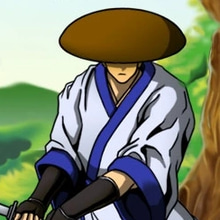
You’re a straw-hatted warrior stepping into real-time sword duels where the goal is to win clean, not just win loud. Every fight becomes a small conversation made of steel: you test distance, you wait for a strike window, you punish mistakes, and you try not to get hypnotized by your own momentum. That last part is harder than it sounds, because the game is excellent at making you feel powerful right before it humbles you. One good hit becomes two, then you try to squeeze in a third, and suddenly the enemy counters like they’ve been waiting for your ego to show up.
𝗧𝗛𝗘 𝗗𝗨𝗘𝗟 𝗜𝗦 𝗔 𝗠𝗘𝗧𝗘𝗥, 𝗡𝗢𝗧 𝗔 𝗠𝗔𝗦𝗛 ⚔️🧠
This is not a “hit everything until it stops moving” kind of brawler. The fighting here leans into the idea of measured attacks. You’re watching for patterns, reading the opponent’s approach, and learning how far your blade truly reaches. The second you treat the sword like a button-mash toy, you start losing exchanges. The game nudges you toward a smarter rhythm: step in, strike, step out, reset. It feels almost like fencing, except dirtier, faster, and with less polite bowing.
Spacing becomes the secret weapon. You’ll notice how tiny movements change everything. A small backstep can make an enemy whiff. A slight pause can bait an attack. Then your counter lands and it feels unbelievably satisfying, like you didn’t just press buttons, you outthought someone. And then the game escalates and you realize you need to keep doing that under pressure, which is where the fun turns sharp 🔥.
𝗧𝗜𝗠𝗜𝗡𝗚 𝗪𝗜𝗡𝗗𝗢𝗪𝗦 𝗔𝗡𝗗 𝗧𝗛𝗘 𝗗𝗔𝗡𝗚𝗘𝗥 𝗢𝗙 𝗖𝗢𝗡𝗙𝗜𝗗𝗘𝗡𝗖𝗘 ⏱️😈
One of the best things about Straw Hat Samurai: Duels is how it turns “when” into the real question. You can know what you want to do and still fail because you did it at the wrong moment. Swing too early and you hit air. Swing too late and you eat a counter. Swing while off-balance and you get punished. The game doesn’t need a complicated system to create tension, it just needs you to care about the next second.
And you will care. A lot. Because the duel pacing makes your heartbeat feel weirdly involved. There’s a micro-drama in every approach: do you commit or do you wait? Do you hold distance or pressure forward? Do you take the safe hit or chase the flashy finish? It’s a constant negotiation with your own impatience. The hardest enemy in the game is often your own desire to “end it right now.” The game loves that desire. It feeds on it.
𝗪𝗔𝗥 𝗥𝗢𝗢𝗠 𝗩𝗜𝗕𝗘𝗦, 𝗖𝗟𝗔𝗡 𝗣𝗥𝗘𝗦𝗦𝗨𝗥𝗘 🏯🗡️
Beyond the duels, there’s a sense of bigger conflict hanging in the background, like you’re not just fighting random strangers, you’re stepping into rivalries and tournaments where honor, rewards, and survival collide. That framing helps the fights feel purposeful. It’s not only “beat this opponent,” it’s “push forward through a world where every blade belongs to someone who wants your place.” The game’s atmosphere leans into mystery and rivalry, which makes every victory feel like a step deeper into a dangerous story rather than just a score screen.
That story vibe matters because it changes how you approach the next duel. You don’t stroll in like it’s casual. You arrive cautious. You’re scanning the opponent’s movement the way you’d scan weather before a storm. Are they aggressive? Do they wait? Do they bait counters? The moment you start “reading the person,” the combat becomes richer. It stops being a flat exchange and becomes a mind game, even in a quick browser session.
𝗖𝗢𝗠𝗕𝗢𝗦, 𝗦𝗧𝗔𝗠𝗜𝗡𝗔 𝗙𝗘𝗘𝗟𝗜𝗡𝗚, 𝗔𝗡𝗗 𝗧𝗛𝗔𝗧 𝗢𝗡𝗘 𝗦𝗪𝗜𝗡𝗚 𝗧𝗢𝗢 𝗠𝗔𝗡𝗬 💢🍃
You’ll inevitably have a moment where you land a clean hit and your brain lights up like, yes, keep going. That’s where the game sets its trap. Overcommitting is the classic duel mistake, and Straw Hat Samurai: Duels makes it feel extremely human. You’re not punished because the game is unfair, you’re punished because you behaved like a person who got excited. That’s why it’s addictive. When you lose, you can usually point to the exact second where you got greedy. You remember it. You replay it. You promise you won’t do it again. Then you do it again, just later, with more confidence 😅.
The good news is that the game rewards discipline just as strongly as it punishes greed. If you keep your attacks clean and purposeful, if you reset after a hit, if you treat every exchange like it can flip instantly, you start winning fights that used to feel impossible. Your style changes. You become calmer. You start feeling like a real duelist instead of a button-smashing storm.
𝗧𝗛𝗘 𝗚𝗔𝗠𝗘𝗥 𝗠𝗢𝗠𝗘𝗡𝗧: “𝗢𝗞𝗔𝗬… 𝗧𝗛𝗔𝗧 𝗪𝗔𝗦 𝗠𝗬 𝗙𝗔𝗨𝗟𝗧” 😮💨🎭
There’s a special satisfaction in games that make you own your mistakes. Straw Hat Samurai: Duels does that constantly. It’s the kind of sword duel game where improvement feels real, because your progress isn’t about memorizing a level, it’s about upgrading your decision-making. You start to recognize bait. You start to recognize the difference between a safe opening and a fake opening. You start to realize that doing nothing for a second can be the strongest move you have. That sounds dramatic, but in a duel, stillness is power.
And because fights are quick and focused, you get many chances to refine that skill. You don’t wait forever to practice again. You jump back in, try a calmer approach, and suddenly you’re winning exchanges that used to destroy you. It’s a clean loop: fight, learn, sharpen, repeat. On Kiz10, that loop is exactly why this game stays sticky even if you only intended to play for “a minute.”
𝗔 𝗦𝗠𝗔𝗟𝗟 𝗧𝗥𝗜𝗖𝗞 𝗧𝗛𝗔𝗧 𝗠𝗔𝗞𝗘𝗦 𝗬𝗢𝗨 𝗟𝗢𝗢𝗞 𝗟𝗜𝗞𝗘 𝗔 𝗠𝗔𝗦𝗧𝗘𝗥 🧩⚔️
If you want one habit that instantly improves your win rate, here it is: after every successful hit, reset your position before you try to hit again. Treat the duel like a series of single clean decisions, not a long attack chain. The moment you start thinking, “I’ll just add one more swing,” the duel often flips against you. Stay patient. Bait the miss. Punish the miss. Step out. Repeat. It’s almost boring when you describe it… and it feels brutally effective when you do it.
Straw Hat Samurai: Duels is a sword fighting game that rewards calm timing, sharp spacing, and the ability to keep your ego from driving your blade. If you like duels that feel tense, personal, and strangely cinematics even in short bursts, this one scratches that itch hard.





 4.3 (32 votes)
 Share
Share
 Embed
Embed