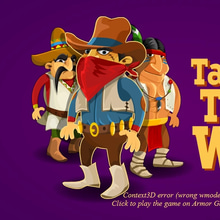
𝗪𝗘𝗟𝗖𝗢𝗠𝗘 𝗧𝗢 𝗧𝗛𝗘 𝗪𝗘𝗦𝗧, 𝗪𝗛𝗘𝗥𝗘 𝗘𝗩𝗘𝗡 𝗖𝗟𝗜𝗖𝗞𝗜𝗡𝗚 𝗙𝗘𝗘𝗟𝗦 𝗟𝗜𝗞𝗘 𝗪𝗢𝗥𝗞 🤠🪵
Tap Tap West doesn’t drop you into a dusty street with a revolver and a dramatic stare-down. It drops you into the other kind of Wild West, the one nobody writes ballads about: the grind. The trading. The “why is everything made of wood and why do I need so much of it” lifestyle. On Kiz10, this is a strategy clicker and village management game where you start small and stubborn, then slowly turn your tiny frontier settlement into a hungry little machine that produces resources, swaps them for profit, upgrades its own bones, and eventually grows teeth… the kind of teeth that bite other players for loot. 😅🦷
The first minutes feel simple. Tap, collect, upgrade, repeat. Friendly. Almost relaxing. Then the game pulls the rug in a sneaky way, because you realize it’s not only about gathering. It’s about deciding what matters right now. Do you push buildings first so everything speeds up later? Do you trade aggressively to stack XP faster? Do you invest in army power so you can raid and steal what you don’t want to grind for? The West is wide, your time is not, and suddenly you’re doing strategy math with a cowboy hat on. 🧠🤠
𝗗𝗨𝗦𝗧𝗬 𝗥𝗘𝗦𝗢𝗨𝗥𝗖𝗘𝗦 𝗔𝗡𝗗 𝗧𝗛𝗘 𝗦𝗔𝗧𝗜𝗦𝗙𝗔𝗖𝗧𝗜𝗢𝗡 𝗢𝗙 𝗠𝗔𝗞𝗜𝗡𝗚 𝗡𝗨𝗠𝗕𝗘𝗥𝗦 𝗚𝗢 𝗨𝗣 📦📈
The heartbeat of Tap Tap West is resources. You collect them, stack them, and watch them turn into progress. It’s the classic idle/clicker satisfaction, that clean little hit of “I did something and now my town is better,” but with a frontier flavor where everything feels like it came from hard work and smart choices. When your production starts to ramp, it’s not just faster numbers… it’s your whole settlement becoming more alive. You can almost imagine the place filling up with noise, carts rolling, people yelling prices, someone arguing over a crate that definitely fell off a wagon on purpose. 😄🛒
Trading is where the game stops being a simple tap fest and starts acting like a strategy loop. Because trade isn’t just a button. Trade is timing. Trade is patience. Trade is knowing when to cash out and when to hold on because the next upgrade will multiply everything. That’s where the “management game” side shines. You’re constantly nudged to think like a builder and a hustler at the same time. Not glamorous, but weirdly addictive.
𝗕𝗨𝗜𝗟𝗗𝗜𝗡𝗚 𝗔 𝗩𝗜𝗟𝗟𝗔𝗚𝗘 𝗧𝗛𝗔𝗧 𝗗𝗢𝗘𝗦𝗡’𝗧 𝗙𝗔𝗟𝗟 𝗔𝗣𝗔𝗥𝗧 𝗪𝗛𝗘𝗡 𝗬𝗢𝗨 𝗟𝗢𝗢𝗞 𝗔𝗪𝗔𝗬 🏚️🛠️
Upgrades are the backbone of everything. Every building improvement is basically you telling the town, “Okay, we’re done being cute. We’re here to scale.” And scaling is what makes Tap Tap West feel good over time. A small upgrade doesn’t just help one corner of your economy, it changes your rhythm. Suddenly you’re earning faster, trading more often, unlocking things without that sluggish early-game drag.
The really satisfying part is how the town begins to feel like a system you designed. Not in a “spreadsheet simulator” way, more like a frontier engine you tuned. You’ll notice how one upgrade opens the door for another, and then another, and suddenly you’re in that classic clicker trance where your fingers move and your brain is quietly plotting the next five decisions. It’s calm and intense at the same time, like sipping coffee while planning a takeover. ☕😈
𝗥𝗘𝗖𝗥𝗨𝗜𝗧𝗜𝗡𝗚 𝗔𝗡 𝗔𝗥𝗠𝗬 𝗜𝗡 𝗔 𝗚𝗔𝗠𝗘 𝗧𝗛𝗔𝗧 𝗦𝗧𝗔𝗥𝗧𝗘𝗗 𝗔𝗦 𝗙𝗔𝗥𝗠𝗜𝗡𝗚 ⚔️🐎
Then comes the pivot. The moment you realize your peaceful little economy isn’t just for building. It’s for competing. Tap Tap West lets you recruit an army, and the second you see that option, the whole game’s tone shifts. Because now you’re not only trying to produce. You’re trying to produce with purpose. You’re building a supply line for conflict.
This is where it gets spicy. Raiding other players for resources changes the psychology. Suddenly your upgrades aren’t just “nice,” they’re defensive. Your army isn’t just “a feature,” it’s leverage. You start thinking about strength the way you think about profit: as something you can increase, optimize, and use at the right moment. And yes, there’s a little thrill to it, because looting is basically skipping the slow part by being bold. The game quietly asks: are you the kind of player who grinds patiently, or the kind who takes what they need and deals with the consequences later? 😅💼➡️⚔️
𝗫𝗣 𝗔𝗡𝗗 𝗙𝗔𝗠𝗘: 𝗧𝗛𝗘 𝗖𝗨𝗥𝗥𝗘𝗡𝗖𝗜𝗘𝗦 𝗢𝗙 𝗘𝗚𝗢 ✨🏆
Progress isn’t only measured in bigger buildings and thicker resource stacks. It’s measured in XP and Fame, the two things that make your growth feel public, like the world is keeping score. XP is your momentum, the proof you’re moving forward. Fame is that delicious, slightly ridiculous frontier reputation meter that turns your success into identity. You’re not just upgrading a town, you’re becoming “someone” in this tiny competitive West. 🤠⭐
And that’s why the game pulls you back in. Because Fame makes the grind feel like a story. You start imagining your settlement as a name people recognize. You start wanting to protect what you built. You start wanting to raid because it’s efficient, sure, but also because it feels like dominance. Tap Tap West is good at that. It takes basic clicker mechanics and gives them a social edge, even if you’re playing solo in your head, narrating your own rise like a dramatic outlaw documentary. “Here we see the player, hoarding wood, plotting violence.” 🎥😄
𝗧𝗛𝗘 𝗦𝗘𝗖𝗥𝗘𝗧 𝗧𝗢 𝗡𝗢𝗧 𝗙𝗘𝗘𝗟𝗜𝗡𝗚 𝗦𝗧𝗨𝗖𝗞 (𝗔𝗞𝗔 𝗗𝗢𝗡’𝗧 𝗦𝗣𝗘𝗡𝗗 𝗟𝗜𝗞𝗘 𝗔 𝗣𝗔𝗡𝗜𝗖 𝗚𝗥𝗘𝗠𝗟𝗜𝗡) 🧠🪙
If you’ve played any idle strategy game, you know the trap: you earn something, you immediately spend it on the first shiny upgrade, then you wonder why your progress feels messy. Tap Tap West rewards a steadier hand. When you invest in upgrades that improve production or efficiency, everything becomes smoother. Your town stops lurching forward in awkward jumps and starts rolling like a wagon that finally found a good road. 🛞✨
The other secret is balance. If you focus only on economy, you might feel strong but vulnerable when it’s time to fight. If you focus only on army, you might win raids but feel starved for growth. The best runs happen when you keep both sides breathing. Build, trade, strengthen, raid, rebuild. It’s a frontier loop that feels natural once it clicks, like the game is teaching you to alternate between building and taking, between patience and aggression.
𝗪𝗛𝗬 𝗧𝗔𝗣 𝗧𝗔𝗣 𝗪𝗘𝗦𝗧 𝗜𝗦 𝗔 𝗞𝗜𝗭𝟭𝟬 𝗙𝗜𝗫𝗧𝗨𝗥𝗘 🔁🌵
This kind of game belongs on Kiz10 because it’s easy to start and hard to put down. It gives you progress fast enough to feel rewarding, then it adds just enough decision-making to keep your brain engaged. You can play it casually, tapping and upgrading while half-watching something else. Or you can play it like a tiny frontier CEO, obsessing over efficiency, plotting raids, and chasing Fame like it’s a championship belt. 🏆😅
Tap Tap West also nails that “short session, long itch” feeling. You leave for a moment, but your mind keeps thinking about the next upgrade. You come back because you want to see numbers climb. You come back because you want a stronger army. You come back because one more raid could change everything. It’s not loud, it’s not flashy, but it’s sticky in the best way, a strategy clicker that turns tiny choices into a full-on rise-to-power fantasy.
So yeah, welcome to the West. Build your village. Trade like you mean it. Recruit an army that looks suspiciously eager. And when the opportunity shows up… take it, because that’s what frontier legends do. 🤠🔥





 4.3 (12 votes)
 Share
Share
 Embed
Embed