🐢 Sewer steam, neon streets, and four shadows on the move New York hums like a giant amplifier, and somewhere between a flickering bodega sign and the subway’s iron lullaby, four silhouettes drop from a rooftop and land like punctuation. Teenage Mutant Ninja Turtles: Battle for New York is a side-scrolling brawler that treats the city like a dojo and every alley like a test. You’re not just mashing punch—you’re conducting a four-piece green symphony, weaving combos, swaps, and special meters into a rhythm that makes the Foot Clan wish they’d called in sick. It’s kinetic, colorful, and gloriously arcadey: a Saturday-night pizza slice of pure action.
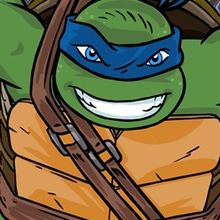
🥋 Four brothers, four playstyles, one shell-shock of a combo Leonardo is the blueprint: twin katanas, textbook spacing, disciplined slashes that string into surgical juggle loops. Michelangelo is chaos with a grin—nunchaku loops that purr, wide arcs that vacuum up minions, and aerials that bounce like a party trick you can repeat on command. Donatello is reach incarnate; the bo staff draws rectangles of “nope” across the screen and pops armor like bubble wrap if you time the heavy right. Raphael is a pressure cooker: quick steps, close-range sai strikes, parry-into-punish sequences that turn elites into cautionary tales. The magic isn’t picking a favorite; it’s swapping mid-string—launch with Leo, helicopter clear with Mikey, wall with Don, finish with Raph’s rude elbow. The game rewards that flow with meter, damage, and the kind of on-screen sparkle that makes you nod like, yeah, that was clean.
🌀 Combat that starts simple and grows teeth Light, heavy, jump, special; dash for approach; block or parry if you respect your health bar. Easy. But the longer you play, the more you notice the layers. Air juggles extend if you delay a beat between hits. Ground bounces can be re-caught with a fast swap. Throws aren’t just exits—they’re tools to reposition an enemy into a buddy’s hitbox for bonus damage. Crowd control is geometry: funnel a wave against a wall, then carve a diagonal to tag fresh spawns as they step into frame. By the time you hit your third borough, you’re not button-mashing—you’re speaking fluent turtle.
🗺️ A city of stages with different tempers Chinatown pours lantern light over tight platforms and sudden stair drops; you’ll time jumps between signposts like a parkour poem. The docks creak, cranes swing, and a forklift you thought was scenery suddenly becomes an improvised hazard you can bait enemies into kissing. Subway gauntlets go claustrophobic: pillars break sightlines, trains rattle past with a gust that pushes thrown shuriken a square to the side, and platform gaps ask for hop-kick confidence. Rooftops love wind, neon, and careless footing; a missed dash becomes an oops that costs a life unless you learned the roll timing. Midtown throws glassy lobbies and security shutters into the mix, turning brawls into set pieces where your biggest enemy might be a revolving door with attitude.
👹 Foot grunts, tech freaks, and boss egos The rank-and-file arrive in color-coded habits: baton bullies with early armor frames; knife sprinters who love flanks; ninjas who poof cloud-smoke and reappear exactly where you hoped they wouldn’t. Then come the gadgeteers—shock-staff jerks that punish greedy strings, jetpack snipers who need Don’s reach or a Mikey aerial to swat. Mini-bosses teach respect: a dual-blade maniac with parry windows you have to see once, a tank in riot gear who only yields after you bait a charge into a wall. And, sure, the rogues you’re thinking of show up in all their theatrical menace. Each marquee fight is a lesson: watch the telegraph, memorize the second phase trick, save a bar of special for the punish window. When a boss falls and the screen bathes in confetti pixels, it’s because you earned the timing, not because the game blinked.
⚡ Specials, tag tech, and the joy of timing Fill the meter through hits, perfect guards, and stylish swaps. Cash it on character-unique supers: Leo’s wind-slash line clear, Mikey’s nunchaku cyclone, Don’s ground shockwave that pops airborne, Raph’s dash-flurry that armor-breaks elites. Tag supers spend a bigger chunk to call in a brother mid-animation—an on-brand “cowabunga” that wipes the corners you can’t reach. Turtling (sorry) builds meter slower; aggression with brains fills it fast. The game nudges you to play loud, not reckless.
🔧 Upgrades that tune, not trivialize Between stages, Splinter’s guidance turns into numbers: minor stat bumps, new enders, quality-of-life perks like longer invincibility on dodge or a faster swap cancel window. You can tilt a brother toward your taste—Leo into juggle king, Mikey into crowd control prince, Don into sentinel, Raph into single-target bully. Nothing breaks balance; everything tightens your favorite loops.
🎮 Controls that disappear when you’re flowing Keyboard or pad, inputs are crisp. Dashes snap, parries have a readable bite, and swapping mid-string feels like a thought rather than a menu choice. On mobile, the virtual stick and face buttons are chunky enough to forgive excitement; double-taps for dash and a dedicated swap toggle sit where your thumbs live, with haptics giving a polite nudge on perfect guards. The HUD stays polite: health bars, meter, a tiny portrait glow when a super is primed, and objective pips that don’t shout.
🧠 Micro-tech from the dojo Pre-buffer a swap during the last few frames of a launcher to re-catch in the air with a different brother. Parry low-profile moves by crouching first to shrink hurtbox—Raph lives for this. Leo’s charged finisher has a late cancel; feint to bait rolls, then grab. Don’s staff tip has a sweet spot—hit max range and you’ll stuff most enemy wake-ups. Mikey’s air ender drifts forward; aim it to cross-up elites and steal space. Always greet new enemy types with three light hits and a block; the fourth hit is where many foes hide the rude counter. And if a crowd gets spicy, throw a grunt into another—impact splash buys you a second of calm you can convert into advantage.
🎨 A Saturday-morning look with nighttime mood Bold lines, bright belts, alleys washed in neon and steam—readable silhouettes even when five things explode and one of them is a pizza box someone weaponized. The Turtles emote like they’ve rehearsed: Mikey’s victory hop, Raph’s “come on” shrug, Don’s proud “actually” when a gadget lands, Leo’s center-stage stance that says captain without saying captain. Effects pop but don’t blind: sparks on parries, comic-book “WHAM” on tag throws, and a tasteful motion trail on supers. It’s crisp, saturated, and delightfully legible.
🔊 Soundtrack and thwacks with flavor Guitars skate over breakbeats; a synth line winks when your streak climbs; snare rolls punch boss intros. Hits thump with rubber-meets-steel satisfaction, parries ping, and supers roar just enough to sell the moment. Quips land mid-fight—Mikey cheering your 30-hit chain, Raph roasting a whiff, Don humbly bragging about torque, Leo corralling the chaos with a “focus!” that you will actually obey.
🎯 Modes for different moods Classic Story strings boroughs with mid-bosses and finales. Arcade challenges score attack with time bonuses for clean segments and no-hit sections. Survival corrals you in tighter arenas with ramping modifiers: faster grunts, fewer pickups, “lava floor” jokes that demand platform awareness. Co-op (when you enable it) turns chaos into choreography—shared supers, revive dash saves, and the kind of friendly yelling that neighbors either join or report.
🏁 The moment it clicks Chinatown. Lanterns sway. A fresh wave pours out of a noodle shop. You dash in as Leo, 1-2-launch, swap to Mikey mid-air, cyclone through four masks, tag Don to pin a jetpack jerk at max range, then cancel into Raph for a parry-into-super that cracks the mini-boss’s armor clean in half. The screen sparkles, a guitar squeals, pizza drops, and you realize your thumbs just told a story. Teenage Mutant Ninja Turtles: Battle for New York on Kiz10 is exactly that groove—tight, stylish, and forever one combo away from a louder “cowabunga.”








 Share
Share
 Embed
Embed


