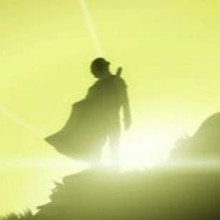
You come to with a breath that doesn’t feel like yours. Pines crowd the sky, light filters through in soft blades, and a sword lies beside you as if it chose the spot first and invited you later. The Awakening RPG begins in that quiet, almost sacred confusion. No fanfare, no lecture. Just a forest, a heartbeat, and the decision to stand. You don’t remember your name, but your hands remember how to grip steel, and that’s enough to write the first sentence of the story. From there the world pulls you forward by the collar—curiosity first, danger second, and purpose somewhere between the two.
🌲 Footsteps In Moss, Thoughts In Static
The opening stretch is all texture and instinct. Birdsong drifts in lazy loops, a creek argues with stones, and tufts of grass hide footprints that might be yours or something else’s. Movement feels deliberate without fighting you. A light press becomes a careful step, a longer one becomes a committed run, and rolling is the kind of lesson you learn once and keep forever. The forest isn’t a tutorial so much as a mirror; it reflects back whatever pace you bring. Linger and you’ll see details other players miss. Sprint and the path reconfigures into a gauntlet of timing, spacing, and little gambles that pay off when your blade meets fur instead of your face meeting the dirt.
🛡️ Build A Self You Recognize
Character creation is less about sliders and more about intention. You can shape a hero who wins by patience—a parry purist who lets wild beasts write sloppy sentences and answers with a single period. Or you can lean into speed—light armor, fast cuts, the kind of footwork that turns claws into opportunities. A heavier path trades whispers for thuds: big swings, chunked stamina, a promise to end fights with punctuation that rattles the ribs. Perks tilt the flavor toward survival, craft, or cunning. None of this locks you in; you’re drawing a map of who you want to be, not signing a treaty. As gear appears and talents unlock, your build starts to feel like handwriting—recognizably yours even when the letters change.
🐺 Animals With Attitude Not Just Hit Points
They call them “animals” as if that explains anything. The fox watches from the ridge and tests your patience with darting lunges. Boars commit to angles like angry meteors, daring you to roll late and learn humility. Wolves respect silence until they don’t, then they test your rear guard and your ability to break packs with feints. Even docile grazers have a mood; spook them near water and they’ll force you into sloppy footing. The first time you stop treating the forest like a loot box and start reading it like weather, the fights change shape. You stop swinging at health bars. You start solving problems that move.
⚔️ Combat That Rewards Small Truths
The verbs are simple—light, heavy, block, dodge—but the music lives in tempo. Tap-tap-pause into a guard break. Roll through a swipe on the beat where claws pass your shoulder and the world widens for a counter. Stamina is honest, generous enough to experiment, strict enough to shame panic. You realize quickly that aggression without aim is just cardio, and defense without intent is waiting to fail slowly. Somewhere around your tenth skirmish you catch the rhythm: commit to short strings, respect recoveries, and spend your greed only when the enemy’s animation begs for it. When it clicks, the forest stops feeling like a threat and starts feeling like a conversation.
🧭 Where The Path Bends And Why
Trails fork with personality. Sunlit routes pull you toward villages where tools and rumors trade hands over bread and laughter. Shadowed tracks lead to ruins with bad air and better loot, the kind of places where a lantern feels like a friend and a mistake feels like a contract. You’ll find waystones that remember you and short cliff paths that most players miss because they look like scenery until you notice a scrap of cloth snagged on bramble. Exploration isn’t padded with busywork. It’s compact, intentional, and layered with “oh” moments you only get by trusting your eyes. You start marking the world in your mind: two turns past the hollow cedar, left at the split rock, up the ridge that hums in the wind. The map becomes a story you tell yourself every time you retrace it.
🧰 Craft, Scavenge, Make It Yours
You begin with a sword and end with a kit stitched from the forest’s vocabulary. Bones become handles, sinew becomes bowstring, bitter herbs turn into tonics that taste like rain and save your spine. Recipes hide in conversation and in the quiet logic of the world: if fire bugs love resin, maybe resin loves fire. A crafted whetstone buys you confidence in fights you would’ve avoided yesterday. A simple cloak shifts stamina costs just enough that your old routes suddenly feel speedrun-friendly. Crafting here avoids the spreadsheet trap; it’s tactile, light, and satisfying because every little improvement lands on the next fight like a secret advantage only you know about.
🏕️ Campfire Promises And Midnight Plans
Resting doesn’t just reset bars—it edits your priorities. At camp you bank experience, slot talents, and sketch the next day’s intention. Will you sweep the river for hides to upgrade boots, or follow a rumor about a stag with antlers like moons. Camps become your punctuation marks, pauses that frame the story beats you’ve earned. Sit too long and time slips; some hunts are dawn’s business, some secrets only wake at dusk. You learn to respect the clock not because it punishes, but because it makes your choices feel like they belong to the same living world as the animals you fight and the strangers you slowly trust.
🗣️ Strangers With Names And Edges
A blacksmith with ash in his laugh. A herbalist who talks like the wind is grading her words. A child who collects lost things and sells them back to you for feathers and favors. Dialogues are short, suggestive, and heavier than they look. Quests are rarely errands; they’re introductions to the next idea the game wants to teach. Hunt a predator not to fill a bar, but to thin a trail so a caravan can pass. Retrieve a charm not because it’s shiny, but because it marks a waypoint you’ll use for the next three hours. Choices aren’t binary morality tests; they’re small nudges to who you’re becoming. When someone mentions a ruined shrine and swears the trees sing there at night, you believe them—and you pack extra oil for your lantern.
🧠 Progression That Feels Like Memory Growing Back
The more you fight, the more your body remembers what it is good at. Talents unlock in suggestions rather than mandates: a faster roll for the agile, a wider parry window for the patient, a charged thrust for the bully who loves distance closing. Stats edge upward with satisfying honesty; you feel the difference when a wolf’s lunge doesn’t eat half your health anymore. Bosses serve as check-ins with your habits. The stag lord punishes sloppy dodges and rewards calm spacing. The barrow thing with too many joints asks whether you’ve learned to read wind-up from shoulder, not hand. Beat them and the world opens in quiet ways—paths unfreeze, merchants travel, and the forest itself seems to breathe easier.
🌫️ Mystery Without Murk
Not remembering is a premise, not a prison. Clues to your past surface as objects that feel familiar in your palm and phrases that land in your head with the weight of déjà vu. The game threads these moments between practical goals so you never feel stuck in a fog for the sake of it. A pendant matches a pattern on a door. A lullaby someone hums syncs perfectly with the cadence of your parry—you smile and don’t know why. When the picture sharpens, it isn’t a twist so much as a recognition. The person you’ve been playing is the person you’ve been building, and the story nods because it was always about that.
🎮 Controls That Tell The Truth
On keyboard or pad, inputs land exactly where logic says they should. Hitboxes feel human—close enough to forgive honest attempts, precise enough to punish flailing. The camera stays respectful, framing fights without sabotaging your corners. Little touches sell the feel: the soft scrape of steel as you ready a thrust, the shiver in leaves when you clip a branch mid-roll, the slowed breath when your stamina bar begs for mercy. You don’t fight the interface; you fight the forest, and that’s how it should be.
🎵 Sound, Light, And The Weight Of A Good Hit
Audio paints the world like watercolor that dries at the edges. A crow’s cackle warns of carrion and bad company. The creek swells after rain, and your boots answer with wetter footsteps. Land a perfect counter and the contact sounds like truth, a bright note that rings longer in memory than on screen. The forest shifts moods with the sun—blues and silvers in the morning, gold and green at noon, copper and shadow by dusk. It never shouts for your attention; it earns it.
🏁 Why You’ll Keep Walking
Because every small improvement becomes a story you tell yourself later: the time you beat a ridge wolf without losing a sip, the run where you crossed three clearings in one breath because your boots were finally the right boots, the night you followed a singing wind and found a shrine that remembered your name before you did. Because this is the kind of RPG that respects your time, rewards your eyes, and lets your hands be clever. And because Kiz10 makes it easy to dip in for one campfire or disappear for an afternoon while your memories change from question marks into exclamation points.














 4.7 (27 votes)
 Share
Share
 Embed
Embed