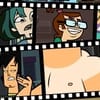
📸⚡ Welcome to the worst photography gig ever
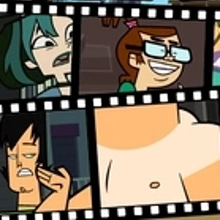
Total Drama: The Big Picture doesn’t ask if you’re ready. It just drops you into a noisy, messy stage full of contestants sprinting around like they’re late for a confessional, and it hands you one job: take the best photos possible. Not “nice photos.” Not “artsy photos.” The kind of shots that make tabloids scream and your score explode. On Kiz10, it plays like a skill-based arcade snap game where timing is everything, the screen is always crowded, and your camera finger becomes a tiny panic button.
The vibe is simple and hilarious: you’re basically the show’s most unhinged paparazzi. People run. Props block the view. Characters stack up in perfect formations for half a second… then scatter. And you’re trying to catch that one frame where the shot is worth a ton, because one contestant is good, but two is better, three is chaos, and “the right combo” feels like winning the whole season without doing a single challenge. 😅
🧠🎯 What you actually do (and why your brain locks in)
The gameplay loop is built on quick decisions. You watch the scene, track movement, wait for the best moment, then snap. That’s it. But that “best moment” is the entire game. You’re constantly judging: Do I take a safe shot now, or do I wait for a bigger payoff? Do I shoot the clear single character, or hold for a group shot that could be worth way more? The board isn’t a board here, it’s a living mess of characters and props, and the game rewards your ability to read it like a hunter reads footprints.
It’s also oddly satisfying because it’s not just reflexes, it’s prediction. You start noticing patterns. You begin to understand how characters bunch up, when they cross paths, where the best “photo hotspots” appear. You stop snapping randomly and start sniping moments. And the second you get a huge score pop, you’ll feel that instant “ohhh okay, I get it now” rush.
🌀👀 The chaos is the point
A big part of the fun is how crowded the scene can get. Characters dart behind scenery and suddenly your perfect shot is blocked by a prop like the universe is pranking you personally. Sometimes you’ll be waiting for the ideal lineup and then one contestant breaks formation at the last second, like they sensed you were about to be successful.
And that chaos makes every good shot feel earned. You’re not farming easy points. You’re gambling your timing. You’re trying to thread the needle: snap when the shot is clean, when the subjects are visible, and when the lineup is worth the risk. The game practically dares you to be greedy, then laughs when greed backfires. Which… yes, is extremely on brand for Total Drama. 😈
💥💰 Big scores, hidden shots, and the sweet “YES!” moment
The scoring is where The Big Picture gets addictive. A simple shot is fine, but the real money is in shots that catch multiple contestants at once, or special moments where someone is partially hidden behind scenery, or the kind of “pair shot” that feels rare enough to make you hesitate, then commit. The moment you catch a high-value snap, the points spike and your brain immediately wants another one.
It becomes this little internal drama: “I can take the safe shot now… but what if a better one happens in the next second?” And you start playing chicken with your own patience. Because yes, waiting can give you the jackpot, but waiting too long can also leave you with nothing when the scene changes. That tension is the whole hook. It’s not relaxing, but it’s the fun kind of stressful, like trying to catch the perfect screenshot in a game where nobody stands still. 😅📸
🎬🎭 Total Drama energy in pure mini-game form
Even without a long story, the game feels like a compressed episode of the show. People rush around, chaos happens, and you’re sitting there making split-second choices like a producer chasing “the moment.” There’s a playful cruelty to it: the scene is always almost perfect, but never perfect for long. That’s why it’s so replayable on Kiz10. You can jump in for a quick score run, and suddenly you’re doing “one more attempt” because you know you missed at least three perfect shots that should have been yours.
And it’s not the kind of game where you have to memorize complicated rules. You learn by feel. You miss a great group shot once, and you start watching for it forever. You snap too early and get a low payout, and next time you wait half a beat longer. It’s simple improvement, visible improvement, the best kind.
🧩🔥 How to get better without turning it into homework
If you want higher scores, the secret is controlled patience. Don’t spam snaps. Spamming turns the game into random luck. Instead, track the most “active” area of the scene and wait for the highest value moment where subjects are clearly visible. Shots with multiple characters are usually worth the risk, but only if the view is clean. If someone is half-blocked, that can be valuable too, but you have to catch it when the character is actually recognizable, not just a blur behind a prop.
Also, don’t get hypnotized by one target. If you tunnel vision waiting for a perfect lineup, you’ll miss several good mid-value shots that keep your score climbing. The best runs usually come from a mix: grab solid shots to stay consistent, then hunt the big payouts when the stage suddenly aligns like the universe blinked.
🏁😵 Why this little game sticks in your head
Total Drama: The Big Picture works because it’s short, sharp, and full of “almost” moments. Almost the perfect shot. Almost the best combo. Almost the run you wanted. It’s a score-attack game disguised as a goofy cartoon mini-game, and it hits that sweet spot where you can play casually… but the second you realize there’s a higher tier of performance, your competitive brain wakes up.
So if you want a fast Total Drama game with chaotic energy, quick rounds, and that satisfying feeling of catching the perfect frame at the perfect time, this one is a perfect pick on Kiz10. Just remember: the stage is never calm, the contestants never cooperate, and your best shot is always one blink away. 📸⚡


















 Share
Share
 Embed
Embed