𝗖𝗔𝗩𝗘 𝗟𝗜𝗚𝗛𝗧𝗦, 𝗚𝗘𝗠 𝗚𝗟𝗜𝗡𝗧𝗦, 𝗔𝗡𝗗 𝗧𝗛𝗔𝗧 “𝗢𝗛 𝗡𝗢” 𝗙𝗘𝗘𝗟𝗜𝗡𝗚 💎🕳️😅
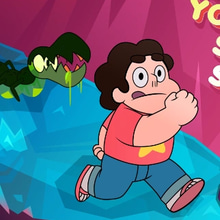
Watch Your Step, Steven! has the kind of premise that sounds adorable until the first time you mess up. You’re in a cave. There are shiny gems. Steven is doing the classic “I can totally handle this” energy. And you, the player, are the responsible brain behind the operation, trying to keep everything from turning into a disaster in five seconds. On Kiz10, it plays like a quick, tense arcade puzzle where movement and timing matter more than fancy controls. You’re not here for long speeches. You’re here to collect the right gems, avoid the wrong ones, and stay alive while the cave tries to prove you shouldn’t be here.
The mood is weirdly perfect: bright treasures, dark tunnels, danger that doesn’t need to scream to feel threatening. One moment you’re calmly planning a route, the next you’re doing a tiny internal scream because a creature moved exactly where you hoped it wouldn’t. It’s the kind of game that makes you lean closer to your screen like that will somehow help. It won’t. But you’ll do it anyway. 😭
𝗠𝗢𝗩𝗘 𝗟𝗜𝗞𝗘 𝗔 𝗣𝗨𝗭𝗭𝗟𝗘 𝗣𝗟𝗔𝗬𝗘𝗥, 𝗡𝗢𝗧 𝗟𝗜𝗞𝗘 𝗔 𝗛𝗘𝗥𝗢 🧠🧭
This isn’t a “run forward and hope” situation. The cave is basically a board where every step has consequences. You’re navigating spaces, reading patterns, and making decisions that feel small but stack up fast. Do you go for that shiny cluster now, or do you wait until the threat shifts away? Do you grab the gem that’s easy, or risk the one that’s more valuable but sits in an awkward corner where you could get trapped? It’s a thinking game disguised as an adventure, and that disguise is half the fun.
What makes Watch Your Step, Steven! so addictive is that it constantly tempts you with short-term wins. Just grab that one more gem. Just slide into that space for a second. Just trust that nothing will move. And then something moves, and suddenly you’re scrambling, and the cave turns into a living maze that feels like it’s laughing at you. 😈🕳️
You’ll learn quickly that “safe” isn’t a place, it’s a moment. A moment where the path is clear, the threats are out of position, and your next step doesn’t immediately create a new problem. The game rewards players who treat each move like a chess move: not only what happens now, but what happens after. That’s where the real skill lives.
𝗧𝗛𝗘 𝗚𝗘𝗠𝗦 𝗔𝗥𝗘 𝗧𝗛𝗘 𝗕𝗔𝗜𝗧, 𝗧𝗛𝗘 𝗖𝗛𝗢𝗜𝗖𝗘 𝗜𝗦 𝗧𝗛𝗘 𝗧𝗘𝗦𝗧 💎⚖️
Collecting gems is the obvious goal, but the twist is that not all gems are “good” for you. The game turns the act of collecting into a decision-making trap. Some items are the ones you want, the ones that feel like progress. Others are the ones you should avoid, the ones that look tempting in the chaos but punish you for grabbing them. That’s such a simple idea, and it creates a surprisingly spicy kind of tension: your brain sees shiny and wants shiny, but your survival brain has to slap your hand away. No. Not that one. Don’t be greedy. 😅
This also makes every run feel like a mini story. You start confident. You collect cleanly. You build momentum. Then the cave presents you with a choice that looks easy but is actually a trap. If you choose wisely, you feel smart, like you outplayed the level. If you choose badly, you feel like you were tricked by your own impatience. And the funniest part? You will repeat the same mistake once or twice because your brain goes, maybe I can pull it off this time. You can’t. But the hope is powerful. ✨
𝗖𝗘𝗡𝗧𝗜𝗣𝗘𝗗𝗘 𝗘𝗡𝗘𝗥𝗚𝗬: 𝗧𝗛𝗘 𝗧𝗛𝗥𝗘𝗔𝗧 𝗜𝗦 𝗠𝗢𝗩𝗜𝗡𝗚 𝗢𝗡 𝗣𝗨𝗥𝗣𝗢𝗦𝗘 🐛😬
The danger in this game doesn’t feel like a random hazard. It feels like something hunting space. Those creepy cave enemies create pressure because they change the map’s comfort level. A corridor that felt safe two seconds ago suddenly becomes the worst place to stand. A corner that looked like a smart hiding spot becomes a trap because now you’ve got nowhere to go. It’s not just “avoid the monster.” It’s “avoid being forced into a bad decision by the monster.”
And that’s where the fun panic happens. You’ll have moments where you’re doing great, collecting clean lines of gems, feeling like a professional cave explorer… and then you notice the threat is cutting off your exit. Your brain instantly flips into emergency planning mode. Where is the nearest safe tile? Can I slip past? Should I backtrack? Should I stop collecting and just survive? That split-second switch from “loot mode” to “survival mode” is the game’s heartbeat. 💓
Also, the tension isn’t heavy in a scary horror way. It’s more like cartoon danger, fast and stressful but still playful. It’s the kind of game where you can laugh at your own mistakes while still wanting revenge on the level design. Like, okay, that was my fault… but also, rude. 😂
𝗥𝗢𝗨𝗧𝗘 𝗣𝗟𝗔𝗡𝗡𝗜𝗡𝗚 𝗜𝗦 𝗬𝗢𝗨𝗥 𝗦𝗨𝗣𝗘𝗥𝗣𝗢𝗪𝗘𝗥 🧠💎
If you want to get better at Watch Your Step, Steven!, the secret isn’t faster clicking. It’s cleaner routes. Don’t wander. Don’t drift. Don’t take steps “just to see.” Every unnecessary move increases the chance you’ll end up boxed in. The best players move with purpose: collect a cluster, reposition to a safer lane, bait the threat away, then return for another cluster. It becomes this satisfying loop of planning and execution.
You’ll also notice a psychological trick: the moment you start feeling comfortable, you start making sloppy moves. Comfort creates greed. Greed creates risk. Risk creates mistakes. So the best runs are the ones where you stay slightly cautious even while you’re winning. A tiny bit of paranoia is basically a power-up here. 😅🛡️
And when you do pull off a clean run, it feels great because it’s not a reflex miracle, it’s a strategy victory. You didn’t get lucky. You managed space. You read the board. You made the cave behave, at least for a moment.
𝗪𝗛𝗬 𝗜𝗧 𝗙𝗜𝗧𝗦 𝗞𝗜𝗭𝟭𝟬 𝗦𝗢 𝗪𝗘𝗟𝗟 🎮✨
This is the kind of Kiz10 game that’s perfect for quick sessions but dangerous for your time. You load it up thinking, I’ll play one round. Then you fail in a way that feels completely fixable and suddenly you’re back in. Because it’s always “one decision away” from being a perfect run. One smarter step. One less greedy detour. One better bait. One calmer route. And because the game is built around clear cause-and-effect, it hooks you with fairness. When you lose, you can usually point to the exact moment you threw it away. That clarity makes you want to try again, not because the game bullied you, but because you can see the solution.
If you like arcade puzzle games, grid-style movement challenges, collectible traps, and that sweet mix of planning plus panic, Watch Your Step, Steven! is exactly that vibe. Bright gems, dark cave, enemies that make every tile feel important, and Steven trying his best while you silently whisper, buddy, please stop walking into danger. 😭💎🕳️





 Share
Share
 Embed
Embed