𝗪𝗲𝗹𝗰𝗼𝗺𝗲 𝘁𝗼 𝘁𝗵𝗲 𝗖𝗶𝘁𝘆: 𝗜𝘁’𝘀 𝗠𝗮𝗱𝗲 𝗼𝗳 𝗪𝗼𝗼𝗱 𝗮𝗻𝗱 𝗕𝗮𝗱 𝗜𝗱𝗲𝗮𝘀 🏙️🪵
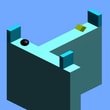
Woodwork Builder the City feels like someone handed you a construction site, removed every safety rule, and then said, “Now place that red block perfectly… and don’t let physics laugh at you.” It’s a physics puzzle game where the whole city is basically a giant carpentry test. Every level is a small stage with wooden planks, beams, weird shapes, and one simple demand that turns into a stubborn obsession: get the red object inside the red outline to finish the level. Sounds easy, right? That’s exactly what the game wants you to believe for the first thirty seconds. Then you nudge one piece slightly wrong, the whole structure starts wobbling like it’s offended, and you realize this isn’t a calm builder. This is a balancing act with consequences.
The city theme is more than decoration. It gives the puzzle a funny sense of “progress,” like you’re helping assemble a bigger place out of tiny, unstable moments. You’re not painting houses or placing roads. You’re building support systems that barely survive long enough to complete the objective. And that’s the charm. It’s satisfying in a scrappy, hands-on way, because your success doesn’t come from guessing. It comes from understanding weight, angles, friction, and how one tiny movement can change the whole outcome.
𝗧𝗵𝗲 𝗥𝗲𝗱 𝗦𝗵𝗮𝗽𝗲 𝗜𝘀 𝗡𝗼𝘁 𝗬𝗼𝘂𝗿 𝗙𝗿𝗶𝗲𝗻𝗱 🔴😅
The red object is the star of the level and also the source of your future rage. You don’t “move it into place” in a clean, direct way. You guide it using supports. You build a ramp, a shelf, a cage, a wobbly little elevator made of wood and hope. Sometimes the red object needs to slide. Sometimes it needs to drop. Sometimes it needs to be caught mid-fall and nudged gently into the target zone like you’re trying not to wake a sleeping cat. The puzzle isn’t the target. The puzzle is the route, and the route is always fragile.
And the game is excellent at forcing you to respect gravity. You’ll have levels where the correct solution looks wrong until you test it. A plank that seems useless becomes the main support. A piece that looks like it should be horizontal actually needs to be angled. A “safe” stack collapses because you placed a block too far from the center of mass. You’ll fail, restart, and immediately see the mistake, like the level is teaching you with silent sarcasm.
𝗧𝗵𝗲 𝗦𝘁𝗮𝗽𝗹𝗲 𝗜𝘀 𝗬𝗼𝘂𝗿 𝗦𝗲𝗰𝗿𝗲𝘁 𝗪𝗲𝗮𝗽𝗼𝗻 (𝗔𝗻𝗱 𝗔 𝗧𝗿𝗮𝗽) 📎🧠
Then there’s the feature that makes the whole game feel like carpentry with superpowers: stapling. You can connect objects together so they behave like a single structure instead of a pile waiting to betray you. That one mechanic changes everything. Suddenly you’re not just stacking, you’re engineering. You can reinforce a bridge. You can lock a ramp in place. You can attach a support arm so it doesn’t slide away. You can build something that looks ridiculous but holds firm long enough to complete the level.
But stapling is also a trap, because it’s tempting to staple everything. New players do it all the time. They staple early, staple often, and create a stiff, awkward structure that can’t adapt when the red object hits it with unexpected weight. Smart stapling is selective. It’s about choosing the joints that matter, the connections that prevent the collapse without choking the movement you actually need. The best feeling is when you place two pieces, staple them at exactly the right point, and the whole build suddenly becomes stable like it decided to cooperate. That moment hits hard, because you earned it.
𝗟𝗲𝘃𝗲𝗹𝘀 𝗧𝗵𝗮𝘁 𝗧𝗲𝗮𝗰𝗵 𝗬𝗼𝘂 𝗧𝗼 𝗦𝘁𝗼𝗽 𝗥𝘂𝘀𝗵𝗶𝗻𝗴 🧩⏳
Woodwork Builder the City isn’t about speed, but it punishes frantic movement. The reason is simple: physics has delay. When you drag a piece into place, the structure reacts. It shifts, it settles, it tilts, it complains. If you keep dragging and dropping without letting anything settle, you’re basically building on a moving floor. So the game teaches patience in a very physical way. Place a support, pause, watch the wobble, adjust. It’s not slow for the sake of slow. It’s slow because the build needs time to “become real.”
And as the levels progress, the layouts start demanding more intentional design. You’ll deal with taller builds, tighter spaces, more awkward shapes, situations where the red object must travel across a path you create out of multiple pieces. The city isn’t built with one plank. It’s built with an idea, then a second idea that supports the first, then a third idea that stops everything from falling apart at the last second.
𝗧𝗵𝗲 𝗠𝗼𝘀𝘁 𝗗𝗮𝗻𝗴𝗲𝗿𝗼𝘂𝘀 𝗠𝗼𝗺𝗲𝗻𝘁: “𝗜’𝗠 𝗦𝗨𝗥𝗘 𝗧𝗛𝗜𝗦 𝗪𝗜𝗟𝗟 𝗪𝗢𝗥𝗞” 😈🪵
There’s a very specific kind of failure this game creates, and it’s hilarious. You build something that looks perfect. You’re proud. You release the red object and it starts moving exactly as planned. For a second you feel like an architect. Then, right near the end, one tiny piece shifts, the red object bumps, your ramp flexes, and the whole solution collapses into chaos. That’s the moment you stare at the screen like it personally betrayed you, even though you know the truth: you built a structure with one weak point and the level found it instantly.
And that’s why it’s so replayable. Failures feel specific. Fixable. You rarely feel lost. You feel close. You think, okay, I only need to reinforce that joint. I only need to move that support two pixels. I only need to staple earlier. The game keeps you in that delicious space where improvement is obvious and immediate, because one tiny change can turn a collapse into a clean success.
𝗪𝗵𝘆 𝗧𝗵𝗶𝘀 𝗣𝗵𝘆𝘀𝗶𝗰𝘀 𝗣𝘂𝘇𝘇𝗹𝗲 𝗦𝘁𝗶𝗰𝗸𝘀 🏗️✨
Woodwork Builder the City works because it’s a builder puzzle that respects experimentation. It doesn’t force one “correct” aesthetic. You can solve levels with ugly builds, clever builds, overbuilt builds, minimalist builds. The only thing it cares about is results: red object in red zone. You learn by trying. You learn by failing. You learn by watching how the pieces behave under weight. And once you start seeing the level like an engineering toy instead of a puzzle board, everything clicks.
If you like physics games where you drag objects, stack supports, build contraptions, and use simple tools to solve increasingly tricky setups, this one scratches that itch perfectly. It’s playful, a little cruel, and incredibly satisfying when your messy wooden towers finally holds steady and the red object lands right where it should, like the city just accepted your permit.



















 Share
Share
 Embed
Embed