𝗦𝗵𝗶𝗽 𝗮𝗹𝗮𝗿𝗺𝘀 𝗮𝗻𝗱 𝘀𝘁𝗮𝗿𝗹𝗶𝗴𝗵𝘁 𝗽𝗮𝗻𝗶𝗰 🚨🌌
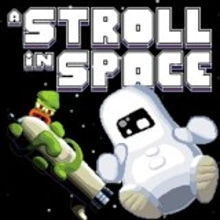
A Stroll in Space opens with that delicious kind of problem you can’t politely ignore: your spaceship is under attack and the universe has decided gravity is optional. You’re not drifting peacefully past nebulae, you’re sprinting through metallic hallways that feel like they’re about to fold in half, while something huge and hungry makes the ship feel suddenly very small. It’s a puzzle platform game, but it wears the “platform” part like a helmet and the “puzzle” part like a prank. One moment you’re running and jumping like it’s a normal side-scroller, the next you’re toggling gravity and watching your character snap to the ceiling like a magnet found its soulmate. On Kiz10, it’s the kind of game that grabs you by the collar and says, you’ll learn by doing… and by falling… and by falling again, but in a fun way, I promise. 😅
The premise is simple enough to understand in one breath: get to the escape capsule. The problem is everything in between. Floors aren’t loyal. Spikes don’t care about your confidence. Some gaps look harmless until you realize you’re supposed to approach them upside down, at speed, while your brain is still trying to remember which way “up” is. And that’s the charm. A Stroll in Space isn’t a long epic. It’s a tight little run through danger where every room feels like a new argument between you and physics.
𝗙𝗹𝗼𝗼𝗿, 𝗰𝗲𝗶𝗹𝗶𝗻𝗴… 𝘄𝗵𝗼 𝗲𝘃𝗲𝗻 𝗱𝗲𝗰𝗶𝗱𝗲𝘀? 🧲⬆️⬇️
The signature mechanic is the gravity switch, and it changes everything about how you read a level. In most platformers, the ground is safety. Here, the ground is just “the surface you’re currently sticking to.” That tiny shift makes your brain work differently. You start scanning rooms like a thief, looking for routes that aren’t obvious. A platform you can’t reach from the floor might be easy from the ceiling. A wall of hazards might become a harmless runway if you flip at the right moment. The game teaches you to treat gravity like a tool, not a law. It’s kind of empowering in a weird, reckless way. Like, yes, I will simply turn gravity off because I have places to be. 😈
But the gravity flip isn’t just a gimmick. Timing matters. If you flip too early, you slam into danger. If you flip too late, you drop into a gap you can’t recover from. And because the action is fast and the rooms are compact, you’re constantly doing this little internal rhythm check: run-run-jump… wait… flip… land… breathe. Except you don’t always breathe. Sometimes you flip in panic and your character sticks somewhere you didn’t plan, and your first thought is usually something very honest like, “Oh no. Oh NO.” Then you laugh, restart, and do it cleaner.
𝗣𝗶𝘅𝗲𝗹 𝗽𝗿𝗲𝗰𝗶𝘀𝗶𝗼𝗻 𝘄𝗶𝘁𝗵 𝗮 𝘀𝗮𝗱𝗶𝘀𝘁𝗶𝗰 𝘀𝗺𝗶𝗹𝗲 😬🕹️
A Stroll in Space has that classic feel where movement is simple, but the spaces between platforms are where the drama lives. You’ll run into rooms that look easy for two seconds, then you notice the trap placement and suddenly it’s a tiny geometry exam. The game likes to trick you with familiarity. A jump that would be safe in another platformer becomes dangerous here because you might need to land upside down. A safe ledge becomes a trap because the ceiling route is actually the correct route. It’s not complicated in a messy way, it’s complicated in a clean way. The level design is basically whispering, “You’re thinking in one direction. Stop that.” 😄
And when it clicks, it feels amazing. You’ll find yourself chaining moves like a small, precise dance. Sprint, hop, flip, stick, run again, flip back at the last second, clear the spikes by a pixel, then slide into a safe spot like you planned it all along. Even if you absolutely did not plan it. Especially if you did not plan it.
The pacing is part of why it’s so addictive. Levels don’t overstay their welcome. You fail, you restart quickly, you try a new approach, you get a little further. It’s the perfect loop for the “one more attempt” personality type, which is basically all of us once a game starts teasing us. You’ll swear you’re done, then you’ll see the next room and think, okay, I can solve that. I just need one clean flip. One. 🤏
𝗧𝗵𝗲 𝗿𝗲𝗮𝗹 𝗯𝗼𝘀𝘀 𝗶𝘀 𝘆𝗼𝘂𝗿 𝗼𝘄𝗻 𝗶𝗺𝗽𝗮𝘁𝗶𝗲𝗻𝗰𝗲 ⏳😵💫
Here’s the sneaky truth: most deaths in this game aren’t caused by the level. They’re caused by you getting impatient. You’ll see a route and try to brute force it, and the ship immediately corrects you with a spike. You’ll flip too fast because you’re excited, and suddenly you’re falling into space like a cartoon character who stepped on nothing. You’ll rush a section you already solved once because “I know this part,” and the game will respond with, “No you don’t.” 😅
The best runs happen when you treat each room like a tiny puzzle, not a sprint. Even though you’re literally sprinting. You slow down just enough to read the hazard pattern. You take a breath before the flip. You commit to the move instead of half-committing and wobbling into danger. It’s a weird balance between momentum and restraint, like driving fast but keeping your hands steady.
And the satisfaction is real because the game is fair in that old-school way. When you die, you usually know why. “I flipped too late.” “I didn’t commit to the jump.” “I forgot there was a hazard on the ceiling route.” That kind of failure is annoying, sure, but it’s also motivating. It feels fixable, which is basically an invitation.
𝗦𝗽𝗮𝗰𝗲 𝗵𝗼𝗿𝗿𝗼𝗿… 𝗯𝘂𝘁 𝗺𝗮𝗸𝗲 𝗶𝘁 𝗰𝘂𝘁𝗲 𝗮𝗻𝗱 𝗳𝗮𝘀𝘁 👾🚀
Even though the vibe is playful, there’s a little edge underneath it. The ship is under siege, and the idea of escaping something enormous gives the levels a constant hum of urgency. You’re not collecting flowers. You’re running for your life with a gravity switch and a stubborn little hero attitude. That contrast is what makes the tone feel cinematic without needing cutscenes every five seconds. The story is basically told through the tension in the rooms: the hazards get meaner, the routes get trickier, and your movement gets sharper because it has to.
And there’s something oddly funny about how heroic you feel while doing something so simple. You’re not firing laser cannons. You’re flipping gravity like a confused wizard and landing on tiny platforms. But the stakes feel big because the margin for error is small. That’s why it sticks. It’s a space platformer that feels like a chase scene, but the chase is you versus your own timing.
𝗧𝗶𝗻𝘆 𝘁𝗶𝗽𝘀 𝘁𝗵𝗮𝘁 𝗳𝗲𝗲𝗹 𝗹𝗶𝗸𝗲 𝗰𝗵𝗲𝗮𝘁𝗶𝗻𝗴 🤫🧠
If you want to get smoother fast, start thinking in pairs: floor route plus ceiling route. Don’t stare at the path you’re on, stare at the path you could switch to. In tricky rooms, your “real” platform might be above you, and your job is simply to flip at the calmest possible moment to reach it. Also, when you’re stuck, try the opposite of your instinct. If you keep jumping forward and dying, maybe you’re supposed to flip earlier and approach from above. If you keep flipping immediately, maybe you’re supposed to run first and flip late. The game loves late flips that feel scary but are actually correct.
And don’t be afraid to pause for a half-second before a hard move. It sounds obvious, but this game is built to punish autopilot. Treat every dangerous room like it’s new, even if you’ve seen it five times. Especially if you’ve seen it five times. 🙂
By the time you’re flowing, A Stroll in Space becomes this slick little gravity ballet. You’ll move through rooms with confidence, flipping like it’s second nature, dodging hazards with that “yeah, I meant to do that” energy. And when you finally reach safety, you’ll feel that perfect platformer satisfaction: I escaped because I got better, not because I got lucky. That’s the bests kind of win on Kiz10. 🏁✨





 Share
Share
 Embed
Embed


