🕯️👁️ A house that remembers everything
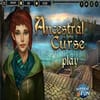
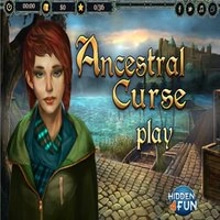
Ancestral Curse does not sound like the kind of game that welcomes you with sunshine, friendly tutorials, and a harmless first level where nothing bad can happen. No, this title walks in carrying dust, old portraits, family secrets, and the feeling that every door in the building has heard something it should not have heard. It has that specific haunted-mystery energy, the kind that makes even a quiet hallway feel personal. Not just creepy. Personal. Which is worse, honestly.
That mood is half the magic. A game called Ancestral Curse immediately suggests history with teeth. Not random horror. Not cheap chaos thrown at the screen to make you jump and forget it five minutes later. This feels older than that. Heavier. The danger is probably tangled up with bloodlines, lost rituals, forgotten crimes, whispered names, and rooms that should have stayed locked. A hidden-object puzzle adventure fits that title beautifully because it turns curiosity into risk. Every clue matters. Every object feels suspicious. Every little discovery feels like it might wake something up.
On Kiz10, that kind of game hits a very different nerve from a fast shooter or a goofy platformer. It slows you down, but not in a sleepy way. In a tense way. You search. You inspect. You start noticing tiny details in the scenery that most people would ignore in real life, like an old key left on a table, a symbol scratched into wood, a frame hanging just slightly crooked as if the house itself got nervous. That is the kind of atmosphere Ancestral Curse should thrive on.
🔍🏚️ Searching is not relaxing when the room hates you
The hidden-object side of a game like this is what makes it work so well. In a cheerful setting, finding objects can feel playful, almost cozy. In a cursed ancestral mansion? Completely different story. Now every search feels invasive. You are not just clicking around because the level asked politely. You are digging through the remains of something that does not want to be understood. That changes the emotional temperature instantly.
And that is where the gameplay becomes addictive. The player is constantly pulled between caution and curiosity. You know that solving the mystery means looking closer, but looking closer is also how you get tangled deeper in the curse. A drawer might contain the clue you need. It might also contain some deeply upsetting family truth. Great. Wonderful. Love that for us.
Games like Ancestral Curse live on this kind of tension. You move from room to room collecting clues, hidden items, puzzle pieces, symbols, fragments of the past. None of them feel random if the design is doing its job. A torn letter, a strange medallion, an antique lock, a ritual object nobody in their right mind would keep in the hallway, all of it should connect back to the central mystery. The best part is the moment when random-looking details suddenly line up and your brain goes, oh no, this family really did ruin everything.
📜🖤 Family history is way more terrifying than monsters sometimes
There is something uniquely effective about horror that comes from inheritance. Monsters are simple. Big, ugly, immediate, very committed to the bit. But ancestral horror is slower and meaner. It suggests that the problem did not begin with you and might not end with you either. That kind of storytelling turns every discovery into a deeper wound. You are not only escaping a haunted place. You are peeling back generations of damage.
That is why Ancestral Curse feels like more than a simple seek-and-find challenge. The title promises narrative pressure. The curse is not just set dressing. It should explain why the environment feels wrong, why the puzzles exist, why the objects matter, why every room seems arranged like a message from the dead. Good mystery horror games do this beautifully. They make the architecture part of the storytelling. The house is not a backdrop. It is a witness. Maybe even an accomplice.
And honestly, those are the moments that linger. Not the loud scare, but the quiet implication. A child’s toy in the wrong room. A faded family portrait with one face scratched away. A locked cabinet that clearly should never be opened and yet absolutely must be opened because now you need to know. That feeling, that awful little curiosity, is the engine. Once the game catches that instinct, it owns your attention.
🧩🌫️ Puzzles in a cursed place always feel smarter
A horror puzzle game also benefits from slower, more deliberate problem solving. In Ancestral Curse, a puzzle should not feel like a separate minigame dropped into the story from another universe. It should feel like the house itself created it. Strange locks. Symbol patterns. Family crests. Notes with missing pieces. Hidden compartments that only make sense once you understand who lived there and what they were trying to hide. That makes every solution feel satisfying because it is not only mechanical. It is narrative too.
You are not solving puzzles just to solve puzzles. You are decoding a household built on secrecy. That difference matters. It gives your progress emotional texture. Every time something clicks into place, you are not simply moving to the next screen. You are invading the past a little more. You are forcing the truth into the light, and horror games love punishing that kind of bravery.
The pacing in these games can be deliciously mean as well. You spend a quiet minute scanning objects, feeling almost calm, and then one new clue changes the entire mood. Suddenly the room feels smaller. The silence feels louder. You begin second-guessing the harmless little things around you. A candle flicker becomes suspicious. A mirror becomes a threat. Your own confidence becomes completely unreliable. Fantastic.
👻🪞 Why this kind of horror sticks in your head
Ancestral Curse sounds like the kind of game that stays with players because it combines two very sticky pleasures: mystery and dread. Mystery keeps you moving forward because you want answers. Dread keeps you alert because you are not sure you want those answers enough to pay the price. Put those together and suddenly every new clue feels irresistible and slightly terrible.
That mix also works well for browser play on Kiz10. Hidden-object horror adventures are easy to enter because the controls are simple, but they hold attention because the world keeps thickening around you. You start with one question, then three more appear, then five, and now you are knee-deep in cursed family history clicking on old books like your life depends on it. Maybe it does. Hard to say. The house seems dramatic enough.
The visual style matters here too. A title like Ancestral Curse should be full of dim corners, antique furniture, worn textures, ceremonial symbols, and rooms that look beautiful in exactly the wrong way. Not cheap darkness. Elegant darkness. The kind that makes you want to explore even while your instincts are saying absolutely not. That contradiction is powerful. It keeps the game from becoming mere horror wallpaper. It becomes a place you want to understand.
⚰️✨ Final thoughts from the haunted bloodline disaster
Ancestral Curse has the kind of name that practically demands a moody hidden-object mystery with supernatural pressure, and that concept is a great fit for Kiz10. It promises eerie exploration, clue hunting, puzzle solving, and the slow unraveling of something old enough to feel dangerous before you even know what it is. That is exactly the sort of tension that can pull players in for much longer than expected.
If you enjoy haunted mansion games, cursed family stories, creepy object hunts, and puzzle adventures where the environment feels alive in all the wrong ways, this one has the right energy. It is not about speed. It is about attention. About patterns. About tiny details that grow into terrible truths. About opening one more drawer when every sensible part of your brain says maybe don’t.
And that is why a game like Ancestral Curse works. It turns observation into suspense. It makes old objects feel loaded. It transforms a house into a maze of memory, guilt, and secrets with sharp edges. You do not just play through it. You investigate it, disturb it, and let it slowly drag you into a family nightmare that was waiting for someone curious enough to come looking. Bad decision. Great games.



 4 (5 votes)
 Share
Share
 Embed
Embed