𝐖𝐢𝐧𝐠𝐬, 𝐒𝐡𝐚𝐝𝐨𝐰𝐬, 𝐀𝐧𝐝 𝐀 𝐅𝐨𝐫𝐞𝐬𝐭 𝐓𝐡𝐚𝐭 𝐃𝐨𝐞𝐬 𝐍𝐨𝐭 𝐋𝐢𝐤𝐞 𝐘𝐨𝐮 🌲
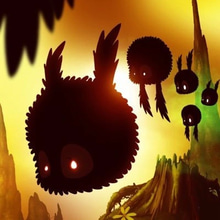
Badland has the kind of atmosphere that grabs you before the gameplay even starts being cruel. It looks gorgeous, quiet, almost magical at first glance, like a strange fairy tale that somehow forgot to warn you about the machinery hidden in the trees. Then the movement begins, the saws start showing up, the tunnels tighten, and suddenly the whole forest feels alive in the worst possible way. This is not a peaceful flying game. This is a side-scrolling action platform adventure where survival depends on rhythm, timing, and your ability to keep a fragile creature in one piece while the world turns into a trap-filled nightmare.
That contrast is what makes Badland so memorable. It is beautiful, yes, but never soft. Every branch, every spinning obstacle, every narrow tunnel feels like part of a bigger machine you were absolutely not invited into. The game throws you into motion quickly, and once you are in, the whole experience becomes a flowing little war between your reflexes and the environment. You tap to fly, drift, correct, squeeze through danger, and keep moving because stopping is not an option. The forest is scrolling. The hazards are coming. Your tiny creature has places to be, and most of those places are suspiciously sharp.
𝐓𝐚𝐩 𝐓𝐨 𝐅𝐥𝐲, 𝐏𝐚𝐧𝐢𝐜 𝐓𝐨 𝐒𝐮𝐫𝐯𝐢𝐯𝐞 🖤
The core control in Badland is beautifully simple, which is exactly why the game gets under your skin so fast. You tap to flap upward. Stop tapping, and gravity drags you down. That sounds gentle, maybe even familiar if you have played arcade flying games before, but Badland is much more dangerous than a simple flappy challenge. This world is not built around clean pipes and neat little gaps. It is built around moving blades, crushing machines, heavy objects, rotating traps, and tight passages that seem specifically designed to ruin your confidence.
And that is the real hook. The controls stay easy. The world absolutely does not. Every section becomes a test of control and nerve. Sometimes you need a light touch, just a tiny correction to drift through a narrow opening. Other times the level becomes pure chaos and your little creature is bouncing, diving, rising, and barely surviving by a wing and a prayer. Badland is brilliant at creating that unstable feeling where everything is almost under control right before it absolutely is not.
That rhythm gives the game its pulse. You are never just moving forward. You are surviving forward. There is a huge difference. The level is always doing something unpleasant, and your job is to adapt without losing the flow.
𝐓𝐡𝐞 𝐅𝐨𝐫𝐞𝐬𝐭 𝐋𝐨𝐨𝐤𝐬 𝐀𝐥𝐢𝐯𝐞 𝐁𝐞𝐜𝐚𝐮𝐬𝐞 𝐈𝐭 𝐈𝐬 𝐓𝐫𝐲𝐢𝐧𝐠 𝐓𝐨 𝐊𝐢𝐥𝐥 𝐘𝐨𝐮 ⚙️
Badland works so well because the environment is not just decoration. It is the entire fight. The forest itself is the enemy, or at least a very enthusiastic accomplice. Logs rotate where they should not, gears chew through open space, giant mechanisms crush the air out of safe routes, and narrow chambers keep forcing you to fly cleaner than your nerves probably allow. This is one of those games where the level design has personality, and that personality is deeply untrustworthy.
The best action platformers always make movement feel emotional, and Badland does that constantly. A wide open stretch gives you a breath. A closing corridor takes it away. A spinning machine ahead instantly changes how your hands feel on the controls. You are not only reading the route. You are reading the mood of the route. Is this section asking for patience? For speed? For a tiny controlled climb through danger? Every room has its own answer, and the game keeps changing the question.
That is why each level feels like a small journey instead of a flat obstacle course. The scenery changes, the hazards evolve, and the pace keeps shifting just enough to stop you from settling into lazy habits. The second you start feeling comfortable, Badland introduces some new mechanical nonsense to remind you that comfort was never part of the agreement.
𝐂𝐥𝐨𝐧𝐞𝐬, 𝐏𝐨𝐰𝐞𝐫-𝐔𝐩𝐬, 𝐀𝐧𝐝 𝐏𝐡𝐲𝐬𝐢𝐜𝐬 𝐓𝐡𝐚𝐭 𝐆𝐞𝐭 𝐖𝐞𝐢𝐫𝐝 𝐅𝐚𝐬𝐭 💥
One of the smartest things about Badland is that it does not stop at basic flying. The game keeps introducing strange power-ups and weird physical changes that make each run feel less predictable. Sometimes your creature grows huge and suddenly every narrow passage becomes terrifying. Sometimes it shrinks and starts slipping through space like a shadow. Sometimes you multiply into a ridiculous flock of clones, and now the level is not just about survival, it is about managing chaos as a whole swarm tries to squeeze through the same death trap.
Those moments are incredible because they change the texture of the challenge without changing the simplicity of the controls. You still tap to fly. But what that means in practice keeps shifting. A tiny creature behaves differently from a giant one. A single survivor handles space differently from a screen full of duplicates flapping around in desperate confusion. Badland uses those changes to keep the journey fresh, and it also creates some of the game’s most memorable scenes.
There is a strange thrill in watching a cluster of clones bounce through a brutal section while knowing most of them probably will not make it. It turns the game into this chaotic little survival ballet where sacrifice, momentum, and luck all become part of the same messy system. And somehow it still feels elegant, which is honestly unfair.
𝐁𝐞𝐚𝐮𝐭𝐢𝐟𝐮𝐥 𝐆𝐚𝐦𝐞𝐬 𝐂𝐚𝐧 𝐒𝐭𝐢𝐥𝐥 𝐁𝐞 𝐕𝐞𝐫𝐲 𝐑𝐮𝐝𝐞 😅
What really gives Badland its lasting appeal is the way it mixes atmosphere with pressure. Plenty of games are pretty. Plenty of games are hard. Fewer games manage to be haunting, immersive, and mechanically sharp all at once. Badland does. It creates this eerie little world that you genuinely want to keep moving through, even while it is trying to flatten you with industrial horror hidden behind storybook silhouettes.
That atmosphere matters because it makes failure sting in a useful way. When you lose, you do not just feel like you missed a jump. You feel like the world swallowed you. That sounds dramatic because it is dramatic. Badland earns that drama through presentation. The lighting, the silhouettes, the movement, the sound of all those machines quietly ruining your day, everything works together to make each failure feel cinematic.
And yet the retry loop stays strong because the controls are so immediate. You know you can do better. You know the section is possible. You almost made it through that rotating mess. So naturally, you go again. One more attempt. One more clean line through the madness. One more chance to pretend that this time the forest will be reasonable. It will not, of course, but the game is excellent at making that false hope feel productive.
𝐖𝐡𝐲 𝐁𝐚𝐝𝐥𝐚𝐧𝐝 𝐒𝐭𝐢𝐥𝐥 𝐅𝐞𝐞𝐥𝐬 𝐒𝐩𝐞𝐜𝐢𝐚𝐥 👑
If you enjoy atmospheric platform games, one-tap flying challenges, physics-driven obstacle courses, or side-scrolling adventures that mix beauty with constant danger, Badland is an easy recommendation on Kiz10. It is not trying to overwhelm you with buttons or fake depth. It is doing something much smarter. It gives you one elegant form of movement, then builds an unforgettable world around all the ways that movement can go wrong.
That is why the game stays in your head. Not because it is loud, but because it is distinct. Few games make you feel this small, this mobile, this vulnerable, and this determined at the same time. Every trap looks lethal. Every successful escape feels graceful. Every level somehow becomes a little story about surviving a place that was clearly designed by a genius with trust issues.
So yes, Badland is gorgeous. But more importantly, it is alive with tension. It is dark without feeling empty, hard without feeling cheap, and imaginative enough to make every new obstacle feel like a proper event. Fly low, climb fast, trust nothing, and keep moving. The forest is beautiful. The forest is wrong. And that is exactly why getting through it feels so goods.





 4.6 (46 votes)
 Share
Share
 Embed
Embed


