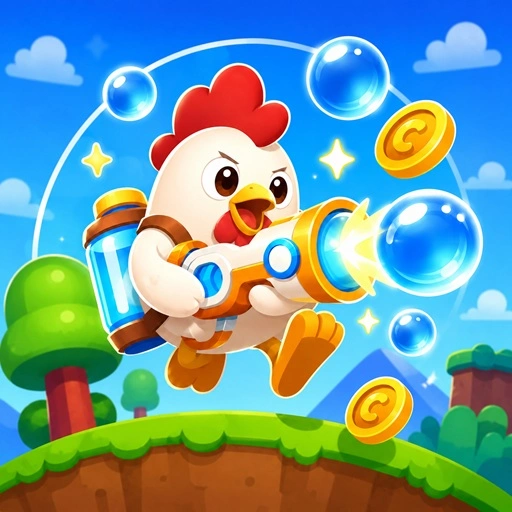
𝗬𝗢𝗨 𝗞𝗡𝗢𝗪 𝗔 𝗚𝗔𝗠𝗘 𝗜𝗦 𝗚𝗢𝗢𝗗 𝗪𝗛𝗘𝗡 𝗔 𝗪𝗔𝗧𝗘𝗥 𝗚𝗨𝗡 𝗙𝗘𝗘𝗟𝗦 𝗟𝗜𝗞𝗘 𝗔 𝗥𝗘𝗔𝗟 𝗪𝗘𝗔𝗣𝗢𝗡 💦🫧
Bubble Blasters has that lovely kind of energy that looks cheerful for two seconds and then immediately starts demanding clean jumps, smart shots, and just enough patience not to waste your last bit of ammo at the wrong moment. It is colorful, yes. Friendly-looking, sure. But underneath that bright surface there is a proper side-scrolling action game asking you to think while you move. And move while you panic. And panic while you try to look cool.
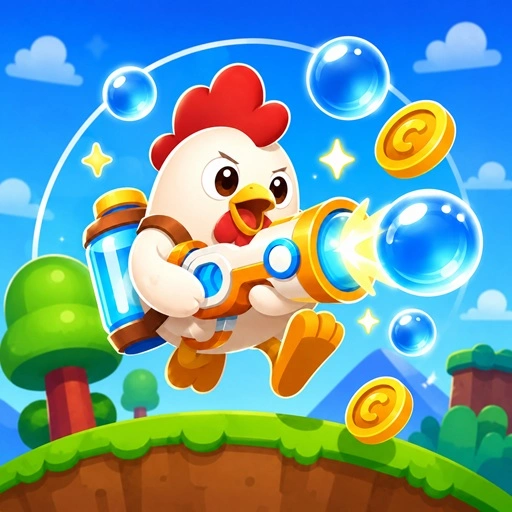
The basic setup is simple in the best way. You run through platform stages, shoot bubbles with your water gun, deal with enemies, avoid spikes and traps, collect coins and gems, search for keys, and clear levels with enough skill to earn up to three stars. That sounds tidy on paper. In motion, it becomes a much livelier little mess. A good mess. The kind where one well-timed jump and one charged shot can turn a dangerous room into a clean victory, while one lazy mistake can send you back wondering why you thought rushing was a smart personality trait.
What makes Bubble Blasters so easy to like is that it never leans on one idea alone. It is not only a platform game. It is not only a shooter. It is not only a collection game. It mixes all of those pieces together and keeps them moving fast enough that every level feels active.
𝗥𝗨𝗡 𝗙𝗔𝗦𝗧, 𝗦𝗛𝗢𝗢𝗧 𝗦𝗠𝗔𝗥𝗧, 𝗗𝗢 𝗡𝗢𝗧 𝗪𝗔𝗦𝗧𝗘 𝗬𝗢𝗨𝗥 𝗟𝗔𝗦𝗧 𝗕𝗨𝗕𝗕𝗟𝗘 🎯
The water gun is the heart of the whole experience. On the surface, shooting bubbles sounds cute, almost too cute, like the game might be all style and no teeth. Then you start using it properly and realize the bubble mechanic does a lot of work. It attacks enemies, interacts with the environment, and creates that satisfying rhythm where every shot matters. This is not one of those games where you can hold fire forever and let nonsense solve itself. Ammo matters. Timing matters. Restraint matters too, which is rude but fair.
That small bit of resource pressure is one of the smartest things in the game. You cannot just spray bubbles at every problem like a garden hose with emotional issues. You need to watch your shots, refill when necessary, and think about whether the next fight needs a quick blast or a stronger charged bubble. Those charged shots add a lot, by the way. Holding for a bigger bubble makes tougher situations feel more dramatic. Sometimes a normal shot is fine. Sometimes you need something heavier, slower, meaner. The choice gives combat more shape.
And because the levels are built around movement as much as shooting, the gun never feels separate from the platforming. You are always blending the two. Run, jump, fire, correct your landing, watch the hazard ahead, then decide whether that enemy deserves a fast pop or a full charge. It keeps your brain busy in a nice way.
𝗧𝗛𝗘 𝗟𝗘𝗩𝗘𝗟𝗦 𝗔𝗥𝗘 𝗕𝗥𝗜𝗚𝗛𝗧, 𝗕𝗨𝗧 𝗧𝗛𝗘𝗬 𝗗𝗢 𝗡𝗢𝗧 𝗟𝗢𝗩𝗘 𝗬𝗢𝗨 🌈
Bubble Blasters does a really good job of making each stage feel like a place you need to read, not just survive. Traps, spikes, awkward ledges, enemies in annoying positions, hidden rewards tucked into risky corners, keys that ask you to commit to exploring a little deeper than you probably wanted to. That is where the game becomes more addictive than a basic run-and-jump adventure. It is constantly nudging you to do more than just reach the end.
The key system helps a lot with that. When a level includes something you have to find or unlock, the whole stage becomes more deliberate. You stop playing only for speed and start paying attention to the path itself. Where can you go safely? What section looks optional but probably is not? Which risky jump hides the useful reward? That extra layer of searching gives the stages more personality.
The stars do the same thing in a different way. A stage is not just cleared or not cleared. You can do better. Cleaner. Faster. Smarter. That kind of rating system is dangerous because it quietly transforms “I beat the level” into “I could absolutely beat that level better.” Then there goes another twenty minutes.
𝗘𝗡𝗘𝗠𝗜𝗘𝗦 𝗔𝗥𝗘 𝗔 𝗣𝗥𝗢𝗕𝗟𝗘𝗠. 𝗦𝗢 𝗜𝗦 𝗚𝗥𝗘𝗘𝗗 👾💎
A lot of the tension in Bubble Blasters comes from the way it combines enemy pressure with collectible temptation. Coins and gems are not just decoration. They pull you into risk. You see a shiny reward floating near a trap or past an awkward enemy setup and your brain immediately starts inventing excuses. “I can grab that.” “It is probably safe.” “This won’t ruin the run.” Sometimes it is safe. Sometimes it is absolutely not safe and the level punishes you for your tiny treasure goblin instincts.
That balance is one of the game’s strongest qualities. It keeps the adventure lively because you are always weighing survival against reward. The safest path is not always the richest one. The quickest route is not always the smartest one. If you want all the good stuff, the better star result, the stronger sense that you really mastered the level, you need to take little risks. Not giant reckless ones. Just the right amount of greed.
Enemies fit neatly into that system because they are not just obstacles standing still and waiting to be removed. They create pressure around space. They make you spend ammo. They force awkward timing. Sometimes they guard exactly the area you want to explore. That is good design. It turns simple encounters into little decisions instead of automatic chores.
𝗧𝗛𝗘 𝗨𝗣𝗚𝗥𝗔𝗗𝗘 𝗟𝗢𝗢𝗣 𝗜𝗦 𝗪𝗛𝗘𝗥𝗘 𝗧𝗛𝗘 𝗚𝗔𝗠𝗘 𝗦𝗧𝗔𝗥𝗧𝗦 𝗦𝗧𝗜𝗖𝗞𝗜𝗡𝗚 🔓
Bubble Blasters gets even more satisfying because your progress does not vanish the second a level ends. The game gives you heroes to unlock, gear to improve, and weapons to pursue in the store, which means every successful stage feeds into something bigger. That progression matters. A lot. It turns short platform stages into steps inside a broader adventure instead of isolated little obstacle courses.
Unlocking things is not just about having more stuff, either. It changes the feel of play. A new hero, a better weapon, a stronger setup, those things give momentum to the whole game. Even if a level beats you once or twice, you still feel like you are moving forward. That is one of the reasons the “one more level” effect hits so hard here. There is always another reward just ahead. Another upgrade. Another better run. Another stage where your improved loadout might finally make everything click.
And when things do click, the game feels great. Clean movement, careful shots, collected rewards, no silly ammo mistakes, three stars at the end. Those runs feel smooth in a way that makes you instantly want another one.
𝗪𝗛𝗬 𝗕𝗨𝗕𝗕𝗟𝗘 𝗕𝗟𝗔𝗦𝗧𝗘𝗥𝗦 𝗪𝗢𝗥𝗞𝗦 𝗦𝗢 𝗪𝗘𝗟𝗟 𝗢𝗡 𝗞𝗜𝗭𝟭𝟬 🚀
On kiz10.com, Bubble Blasters fits perfectly for players who enjoy platform shooters, side-scrolling action games, coin collecting adventures, star-based level challenges, and browser games that mix light charm with actual skill. It is easy to start, but it has enough going on that you keep learning better habits as you play. Better positioning. Better ammo discipline. Better decisions about when to risk a collectible and when to leave it alone for once in your life.
The best part is probably the balance. The game stays colorful and approachable without becoming brainless. It gives you action, exploration, upgrades, and enough pressure to make each level feel earned. Nothing here feels bloated. It just works. Move, shoot, charge, collect, unlock, improve. Then do it again, but cleaner.
Play Bubble Blasters on Kiz10 if you want a platform game with tight movement, satisfying bubble combat, hidden rewards, and that nice steady climb from “I think I understand this” to “okay, now I am actually good at this.” Which is always a dangerous and wonderful place for a game to put you.










 2 (161 votes)
 Share
Share
 Embed
Embed