🎰✨ Neon luck and the sound of trouble starting softly
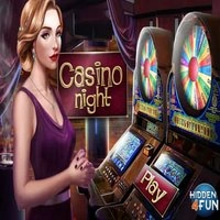
Casino Night has a title that already does half the work. You can hear it before you even begin. Bright lights. Polished tables. Suspicious confidence. The quiet clink of coins somewhere in the background. A room full of charm that absolutely cannot be trusted. That atmosphere matters, because a game with a name like Casino Night should never feel flat. It should feel glossy, risky, and just a little dramatic, like every move is one second away from becoming either genius or disaster.
That is exactly the kind of energy this sort of game can bring to Kiz10. Casino games, puzzle games, score-chasing games, card games, reflex games, they all live on anticipation. Not just action, but tension. You make a choice, and then the game makes you wait for the result, even if only for a heartbeat. That tiny pause is powerful. It turns simple interactions into little moments of theater. Suddenly a chip, a card, a spin, or a timed selection feels bigger than it really is. That is how a game gets into your head.
Casino Night works best when it leans hard into that stylish uncertainty. Maybe it plays like a quick decision game with casino flavor. Maybe it uses cards, symbols, matching, roulette-like randomness, or fast table logic. Whatever the exact mechanic, the title suggests one thing clearly: the mood should matter almost as much as the challenge. This is not supposed to feel ordinary. It should feel like luck is in the room, grinning.
🃏🌙 A game where confidence is always slightly suspicious
The fun with a title like Casino Night is that it immediately creates two layers of play. On one level, you are solving a problem. Picking the right move, reading the board, judging the odds, reacting quickly, or building a better strategy than the previous round. On the other level, you are performing. That sounds dramatic, yes, but casino-themed games almost always have that flavor. Every good decision feels stylish. Every bad decision feels public, even if no one is watching.
That is why these games can be so addictive. A standard puzzle asks whether you can solve it. A casino-flavored game asks whether you can solve it while staying cool under pressure. Entirely different emotion. Your brain starts pretending there is more at stake than there really is. You begin acting like a chip stack matters to your soul. You hover over a decision for too long, then commit with ridiculous confidence, then instantly regret everything. Glorious.
If Casino Night uses cards or table logic, the appeal grows even stronger. Card-based systems naturally create tiny mental battles. You compare options, guess outcomes, read patterns, and try not to get baited by the most obvious move. If it leans into slots, symbols, or matching mechanics, then the tension shifts into rhythm and anticipation. You are waiting for alignment, hoping for a clean result, maybe chasing a combo, maybe trying not to waste a perfect chance. Either way, the game turns uncertainty into entertainment.
💎🎲 Flashy surfaces, sharp little decisions
A casino theme also gives the whole experience a special visual rhythm. Neon signs, gold edges, red velvet energy, spinning icons, bright contrast, nighttime polish. Even a simple game feels richer when wrapped in that style. It is the same reason real casinos use atmosphere so aggressively. They are not just giving you a game. They are selling a mood. Browser games can borrow that trick beautifully.
And mood changes how difficulty feels. A plain score challenge can feel dry. A score challenge dressed like a late-night casino floor feels alive. Even repetition becomes easier to enjoy because the presentation keeps your brain engaged. Lights flash. Symbols pop. Results feel louder. The game starts rewarding not just success, but drama. A close call is exciting. A comeback is satisfying. A lucky streak feels almost illegal.
That is probably where Casino Night finds its identity. Not through huge complexity, but through flavor. Through tension. Through the sense that each small interaction matters more than it technically should. That kind of design works very well on Kiz10 because it turns a short play session into something memorable. You are not just clicking through mechanics. You are stepping into a vibe.
♠️⚡ Risk, rhythm, and the weird joy of one more round
Casino-themed games are masters of the dangerous phrase one more try. You say it casually at first. Then ten minutes disappear. That is not an accident. These games tend to be built around clean loops. Make decision. Watch outcome. Learn something. Try again. Chase a higher score. Correct a mistake. Tempt fate one more time. The structure is compact, but the emotional pull is huge.
And the best part is that the challenge can come from different places. Sometimes it is pure luck management. Sometimes it is pattern recognition. Sometimes it is timing. Sometimes it is strategic restraint, which is honestly the least glamorous skill in gaming but still a very real one. Knowing when not to commit is a kind of talent. Casino Night sounds like the kind of game that might reward exactly that.
There is also a nice contrast built into the concept. Casinos are flashy, but good puzzle or score systems underneath them are usually precise. That tension between glamour and control gives the gameplay texture. The outside says chaos. The inside says calculation. So while the screen might be sparkling like it wants applause, your brain is quietly counting, comparing, and trying not to get fooled by shiny nonsense. Amazing dynamic, really.
🌆🪙 Why the theme is doing more work than people think
Some players hear a title like Casino Night and assume the game is all presentation. But honestly, theme can completely change how a mechanic feels. Replace plain numbers with chips and suddenly risk feels heavier. Replace generic icons with card suits and now the whole screen feels sharper. Add a nighttime tone, a little glamour, maybe a few sound cues that suggest stakes, and even a simple interaction becomes more emotionally loaded.
That is why this type of game can stand out. It uses setting as pressure. The room itself seems to whisper that you should either play smart or lose beautifully. There is something entertaining about that. Even failure feels more cinematic. You do not just lose a round. You fold under neon. You misread the table. You bet on the wrong instinct while the imaginary crowd in your head quietly judges you. Fantastic.
If the game includes escalating rounds or more complex scenarios as you progress, that only helps. Casino energy pairs naturally with rising tension. Early turns feel safe. Later turns feel heavier. Then you start playing differently because now the consequences feel real, even when the actual consequence is just having to restart a level. Games are very good at tricking our pride, and Casino Night sounds like it knows exactly how to do that.
🎯🌃 Final thoughts from the velvet disaster zone
Casino Night has the kind of title that promises style, pressure, and at least a little emotional damage delivered through shiny mechanics. Whether it plays as a card challenge, a symbol puzzle, a score-based table game, or a quick decision experience with casino flavor, the appeal is easy to understand. It is not only about winning. It is about winning with nerve. Or losing with drama, which is still something.
For players on Kiz10, that makes it a strong fit. It offers a game loop that can be easy to enter but difficult to walk away from. Quick rounds, immediate feedback, a glamorous atmosphere, and enough tension to keeps your hands just a little more alert than usual. That combination works. It always has.
So Casino Night feels like the kind of game you open for a few minutes and then somehow keep playing because the last round almost went your way, the next one definitely will, and your confidence has become a very unreliable narrator. Perfect. That is exactly what a stylish casino game should do. Pull you in with sparkle, keep you there with tension, and leave you thinking about one more round long after you said you were done. 🎰



 4.3 (7 votes)
 Share
Share
 Embed
Embed