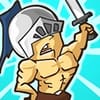
𝗕𝗿𝗶𝗰𝗸𝘀, 𝗯𝗿𝗲𝗮𝘁𝗵, 𝗮𝗻𝗱 𝘁𝗵𝗲 𝗳𝗶𝗿𝘀𝘁 𝘀𝗰𝗿𝗲𝗮𝗺 🏰😶🌫️
Castle Knight starts with a simple, slightly unfair truth: your castle is not a symbol, it’s a target. You’re standing at the defense line with one job, one view, and one very loud problem marching straight at you. In this Kiz10 siege shooter, the world doesn’t ask if you’re ready. It just spawns enemies and watches to see if your aim is a promise or just wishful thinking. You don’t roam the map like a hero in a grand RPG. You hold position. You watch the path. You shoot anything that tries to turn your walls into rubble. And the best part is how quickly the calm disappears. One moment you’re casually picking targets, the next you’re firing like the castle personally insulted the enemy’s entire family tree. 😅🔥
This is a defense game with a shooter heartbeat. The lane is the story. The crowd is the tension. The timer is implied by footsteps. Every enemy that gets closer makes the air feel heavier, like the screen is leaning toward you, asking, “Are you going to miss again?” And when you don’t miss, when you land clean hits and keep the wave under control, Castle Knight gives you that satisfying feeling of mastery that only comes from simple rules executed under pressure.
𝗧𝗵𝗲 𝗽𝗮𝘁𝗵 𝗶𝘀 𝗮 𝗰𝗼𝗻𝘃𝗲𝘆𝗼𝗿 𝗯𝗲𝗹𝘁 𝗼𝗳 𝗯𝗮𝗱 𝗶𝗱𝗲𝗮𝘀 🛣️😈
Enemies don’t just appear; they commit. They march forward with the confidence of people who have never met a reinforced gate. They come in waves, and each wave teaches you something about your own habits. If you shoot too slowly, you’ll see the line thicken. If you waste time on the wrong target, a faster threat slips through. If you panic, your accuracy evaporates. Castle Knight is quietly training you to do three things at once: aim, prioritize, and stay calm when your calm is clearly being attacked.
You’ll start making micro-decisions that feel dramatic because they matter. Do you take the closest enemy first, or the toughest one before it becomes a wall-breaking nightmare? Do you clean up the weak targets to reduce clutter, or focus on the single threat that’s about to ruin everything? The game doesn’t lecture you about tactics. It lets the battlefield do the teaching. And the battlefield is not gentle. 🏹⚠️
The beauty is that the path is readable. You can learn it. You can see the wave forming and predict where your trouble will be. And once you start predicting, the game transforms from “chaos with arrows” into “controlled violence with purpose.” That’s the sweet spot.
𝗦𝘁𝗮𝗿𝘀 𝗮𝗿𝗲 𝗻𝗼𝘁 𝗷𝘂𝘀𝘁 𝗿𝗲𝘄𝗮𝗿𝗱𝘀, 𝘁𝗵𝗲𝘆’𝗿𝗲 𝗮𝗿𝗺𝗼𝗿 ⭐🛡️
Castle Knight doesn’t only want you to survive. It wants you to build a stronger survival machine. You earn stars as you defend, and those stars become your upgrade language. The moment you realize that, the game changes flavor. Now every clean defense is an investment. Every wave you manage well becomes more firepower later. You’re not just shooting enemies; you’re funding your own improvement mid-war.
Upgrades matter because the waves don’t politely stay the same. They get meaner. They get bulkier. They get faster, or tougher, or just more numerous, like the game is trying to see where your breaking point lives. The only answer is growth. Better damage. Better consistency. Better tools. And you’ll feel it when an upgrade clicks. Suddenly an enemy that used to take several hits drops sooner, which buys you time, which buys you control, which buys you more stars, which buys you more upgrades. It’s a loop that feels like momentum, and momentum is basically happiness in a defense shooter. 😄⚡
There’s also a delicious little tension here: spend stars now for quick power, or save for a bigger upgrade that could completely change your run. You’ll tell yourself you’ll save. Then you’ll see the next wave and immediately spend everything like a responsible adult who just saw a sale sign. It happens. No judgment.
𝗧𝗵𝗲 𝗿𝗲𝗮𝗹 𝗲𝗻𝗲𝗺𝘆 𝗶𝘀 𝗰𝗹𝘂𝘁𝘁𝗲𝗿 🧟♂️🧱
At first, your biggest concern is damage. Later, your biggest concern is the screen itself. The lane fills up. Targets overlap. Your eyes start jumping from one threat to the next like a pinball. This is where Castle Knight becomes less about raw clicking and more about target discipline. The danger isn’t only the strongest enemy; it’s the fact that too many enemies are alive at once. Clutter is pressure. Pressure creates mistakes. Mistakes create collapses.
So you learn to thin the wave intelligently. Remove the pieces that make the rest of the puzzle harder to read. Create space. Keep the line manageable. The moment you successfully “decongest” a wave before it reaches the castle, you’ll feel like a tactical genius, even though your tactic was basically “don’t let the screen turn into soup.” That’s the charm of this genre: it makes simple decisions feel heroic when they’re made under threat. 🏰🎯
And yes, you will have runs where you do everything right, then one enemy slips through because you blinked at the wrong time. That single slip is a lesson delivered with a brick. Next run, you’ll be watching that same enemy type like it’s a personal rival.
𝗪𝗲𝗮𝗽𝗼𝗻 𝗴𝗿𝗼𝘄𝘁𝗵 𝗳𝗲𝗲𝗹𝘀 𝗹𝗶𝗸𝗲 𝗮 𝘀𝗶𝗲𝗴𝗲 𝗺𝗼𝗻𝘁𝗮𝗴𝗲 🔧🔥
The upgrade path in Castle Knight is the part that makes you stick around. It’s not just numbers; it’s the feeling of becoming more capable. Early on, your shots feel like you’re holding back the tide with a bucket. Later, your shots feel sharper, more confident, more final. You start to sense the difference between “I’m surviving” and “I’m controlling.”
Power-ups and upgrades also let you play with mood. Some players prefer steady reliability, the kind of build where you never feel surprised. Others want burst power, those moments where a wave gets erased and you laugh because it feels slightly unfair. Castle Knight supports both instincts, and that flexibility is why it stays fun. It’s not one correct answer. It’s a toolbox for your personal brand of castle defense chaos.
You’ll discover your own rhythm. Maybe you like cleaning up fast threats first, then working on the tanky ones. Maybe you like deleting the toughest targets as soon as they appear so the lane never gets scary. Either way, you’re not just playing a level. You’re building a style. 🏹😈
𝗧𝗵𝗲 𝗹𝗮𝘀𝘁 𝗳𝗲𝘄 𝘀𝗲𝗰𝗼𝗻𝗱𝘀 𝗼𝗳 𝗮 𝘄𝗮𝘃𝗲 𝗮𝗿𝗲 𝗽𝘂𝗿𝗲 𝗺𝗼𝘃𝗶𝗲 𝗲𝗻𝗲𝗿𝗴𝘆 🎬💥
Every good defense game has a moment where the wave is almost over but not quite, and that’s when your brain tries to relax too early. Castle Knight punishes early relaxation like it’s a sport. The final stragglers are often the ones that slip through because you’re already thinking about upgrades, or you’re admiring your progress, or you’re doing that dangerous thing where you assume the lane is safe. Then you hear it in your head: nope. Not safe. Shoot.
Those end-of-wave moments feel cinematic because they’re tight. You have just enough time to fix the mess you almost caused. You focus harder. You land the hits. The castle survives. And the relief feels weirdly real. It’s just a browser game on Kiz10, but your brain treats survival like an achievement, because it is. That’s what makes the loop work. Simple siege defense, real tension, satisfying payoff.
Castle Knight is for players who enjoy defense games with direct control, quick decision-making, and the satisfying grind of upgrading your way from “barely holding” to “absolutely not today.” Protect the castle, stack stars, upgrade smart, and remember: the enemy only needs one mistakes from you. Don’t give it to them. 🏰⚔️✨





 4.5 (78 votes)
 Share
Share
 Embed
Embed