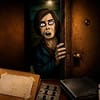
𝗧𝗛𝗘 𝗗𝗢𝗢𝗥 𝗟𝗢𝗢𝗞𝗦 𝗦𝗜𝗠𝗣𝗟𝗘 𝗨𝗡𝗧𝗜𝗟 𝗬𝗢𝗨 𝗥𝗘𝗔𝗟𝗜𝗭𝗘 𝗘𝗩𝗘𝗥𝗬𝗢𝗡𝗘 𝗠𝗜𝗚𝗛𝗧 𝗕𝗘 𝗟𝗬𝗜𝗡𝗚 🚪😶
Clone or Neighbor 3 takes one of the most unsettling ideas in modern browser horror and turns it into a pressure cooker of suspicion, paperwork, and quiet panic. You are not running through hallways with a flashlight. You are not unloading bullets into monsters in the dark. You are standing at the front desk of an apartment building, staring at faces, scanning documents, and trying to answer the worst question a doorman could ever be asked on repeat: is this really one of the neighbors, or is it a clone waiting for you to make one fatal mistake?
That is exactly why the game feels so tense on Kiz10.
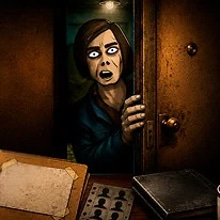
The setup is wonderfully cruel. Every workday begins with a line of visitors approaching your entrance. Some are regular residents. Some are impostors. Some look right at first, almost annoyingly right, until one detail starts itching at the back of your brain. A photo does not quite match. A name feels off. A physical feature disagrees with the file. An apartment number sounds convincing until you compare it properly. The whole game lives in that tiny space between certainty and doubt, and that makes every decision feel heavier than it should.
The more you play, the more the building stops feeling like a normal workplace and starts feeling like a trap built out of faces.
𝗔 𝗛𝗢𝗥𝗥𝗢𝗥 𝗚𝗔𝗠𝗘 𝗪𝗜𝗧𝗛𝗢𝗨𝗧 𝗖𝗛𝗔𝗦𝗘𝗦 𝗦𝗧𝗜𝗟𝗟 𝗙𝗘𝗘𝗟𝗦 𝗗𝗔𝗡𝗚𝗘𝗥𝗢𝗨𝗦 🧠⚠️
What makes Clone or Neighbor 3 so effective is that it builds fear from routine. In most horror games, danger runs at you. Here, danger stands still, smiles politely, and waits for you to press the wrong button. That change in rhythm makes the tension much more psychological. You are not reacting to loud attacks. You are trying to stay sharp in a job that looks ordinary from the outside and becomes terrifying the moment you realize one slip could end badly for everyone inside the building.
That kind of horror is hard to shake off because it feels intimate. You are not fighting a monster in a distant arena. You are inviting people in or shutting them out. You are making judgment calls based on evidence, instinct, and the slow pressure of a growing queue. The game turns paperwork into dread, and honestly, that is a special kind of evil design.
It also means the challenge never comes from action clutter. It comes from attention. Can you slow down enough to see what is wrong before the consequences arrive? That question makes every visitor feel like a test.
𝗗𝗢𝗖𝗨𝗠𝗘𝗡𝗧𝗦 𝗔𝗥𝗘 𝗡𝗢𝗧 𝗝𝗨𝗦𝗧 𝗗𝗢𝗖𝗨𝗠𝗘𝗡𝗧𝗦 𝗛𝗘𝗥𝗘 📄🔍
The heart of the gameplay is inspection. You check identity documents, compare photos, confirm names, apartment numbers, and physical details, and slowly piece together whether the person in front of you belongs in the building or should be denied immediately. It sounds procedural, almost calm. It is not calm. It is exhausting in the best way, because the game knows how to turn small differences into major threats.
That is where the satisfaction comes from too. Spotting a bad visitor does not feel like random luck. It feels earned. You caught the wrong eyebrow shape. The wrong nose. The wrong number. The detail that almost slipped through because the clone was close enough to be convincing. Those moments are fantastic because they reward patience and suspicion instead of speed alone.
And the better the impostors get, the more intense those checks become. Eventually you stop looking at the desk like an office setup and start seeing it as a battlefield made of paper, records, and one phone that suddenly feels like the most important object in the room.
𝗧𝗛𝗘 𝗥𝗘𝗦𝗜𝗗𝗘𝗡𝗧 𝗙𝗜𝗟𝗘𝗦 𝗔𝗥𝗘 𝗬𝗢𝗨𝗥 𝗢𝗡𝗟𝗬 𝗥𝗘𝗔𝗟 𝗔𝗡𝗖𝗛𝗢𝗥 🗂️👁️
One of the smartest things about Clone or Neighbor 3 is the way it treats information as your main weapon. The residents’ records are not background decoration. They are your lifeline. Names, apartments, appearances, little identity details, all of it matters. The game keeps asking you to trust records over confidence, evidence over charm, and comparison over instinct. That dynamic gives the whole experience a very satisfying investigative feel.
A lot of tension comes from bouncing back and forth between the person at the entrance and the data in front of you. You compare. Recompare. Hesitate. Notice one inconsistency. Then another. Suddenly what looked normal starts feeling wrong in five different ways. That slow unraveling is one of the best feelings the game produces. It makes you feel clever, but also increasingly paranoid.
And that paranoia is exactly the point. A good inspection game should teach the player not to relax, and Clone or Neighbor 3 seems built around that lesson. The moment you trust appearances too easily, the whole day can collapse.
𝗧𝗛𝗘 𝗣𝗛𝗢𝗡𝗘 𝗖𝗔𝗟𝗟𝗦 𝗠𝗔𝗞𝗘 𝗗𝗢𝗨𝗕𝗧 𝗘𝗩𝗘𝗡 𝗪𝗢𝗥𝗦𝗘 ☎️😬
The phone system adds another excellent layer to the tension. When something feels wrong, but not quite wrong enough to decide immediately, you can call the apartment directly and ask control questions. That is such a smart mechanic because it turns uncertainty into a live problem instead of a passive guess. You are not stuck choosing blindly. You can investigate further. But that extra investigation does not necessarily calm things down. Sometimes it just creates a deeper, more delicious kind of suspicion.
Phone calls help the game feel more immersive because they make the building seem inhabited beyond the people standing at your desk. There are residents behind those doors, lives attached to these files, and real consequences tied to who you let inside. That subtle world-building matters. It makes your job feel less abstract and much more personal.
It also creates those wonderful moments where a visitor starts to unravel the longer you test them. What first seemed plausible begins to crack under one or two simple questions. That progression from doubt to confirmation is one of the most rewarding parts of the whole loop.
𝗦𝗧𝗥𝗘𝗦𝗦 𝗕𝗨𝗜𝗟𝗗𝗦 𝗕𝗘𝗖𝗔𝗨𝗦𝗘 𝗘𝗩𝗘𝗥𝗬 𝗗𝗔𝗬 𝗛𝗔𝗦 𝗔 𝗥𝗘𝗦𝗨𝗟𝗧 📉🔥
Clone or Neighbor 3 gets even stronger because your choices do not disappear into the air. At the end of each workday, the game shows you the effect of your approvals and denials. That matters a lot. It gives the whole experience weight. You are not just solving isolated mini-puzzles. You are carrying responsibility through the shift, and then the game makes you sit with the outcome.
This end-of-day structure gives the tension a nice arc. Each decision feels immediate in the moment, but the full emotional impact lands later, when you see how your judgment held up under pressure. That makes the next day even more intense, because now you are not just trying to identify clones. You are trying to correct your own past mistakes, prove your instincts, and survive your own learning curve.
It is a clever rhythm. Work. Doubt. Decide. Regret. Improve. Repeat.
𝗧𝗛𝗘 𝗕𝗘𝗦𝗧 𝗛𝗢𝗥𝗥𝗢𝗥 𝗛𝗘𝗥𝗘 𝗜𝗦 𝗛𝗢𝗪 𝗡𝗢𝗥𝗠𝗔𝗟 𝗜𝗧 𝗔𝗟𝗟 𝗟𝗢𝗢𝗞𝗦 😶🌫️🏢
What really makes Clone or Neighbor 3 stand out is how ordinary the job looks on the surface. You are a doorman. There is a desk. A building. Files. A phone. A checklist. All of it feels harmless until you start noticing that this normal little routine is hiding a threat that cannot be trusted to look monstrous. It looks human. Familiar. Safe enough. That is what makes the whole thing so unnerving.
There is something uniquely uncomfortable about a game that teaches you to distrust every face without making the world loud or theatrical. Clone or Neighbor 3 does not need endless jump scares to create pressure. It has paperwork, clones, and the knowledge that one wrong approval can destroy the illusion of safety for everyone who lives upstairs.
That quiet style of fear suits the game perfectly. It lets the player create half the horror internally.
𝗪𝗛𝗬 𝗖𝗟𝗢𝗡𝗘 𝗢𝗥 𝗡𝗘𝗜𝗚𝗛𝗕𝗢𝗥 𝟯 𝗜𝗦 𝗦𝗨𝗖𝗛 𝗔 𝗚𝗢𝗢𝗗 𝗙𝗜𝗧 𝗙𝗢𝗥 𝗞𝗜𝗭𝟭𝟬 🎮🕵️
Clone or Neighbor 3 is a great fit for players who enjoy deduction games, horror inspection games, observation puzzles, paperwork simulators, and browser titles where tiny details create huge consequences. It is tense without needing action overload, smart without being inaccessible, and immersive in a very specific, stressful way.
If you like games where the real enemy is hesitation, where every face might be wrong in one tiny but fatal way, and where attention to detail matters more than reflex shooting, this one is easy to recommend on Kiz10. It takes the simple act of guarding a front entrance and turns it into a full psychological test of suspicion, discipline, and nerve.
So check the photo again. Compare the file one more time. Call the apartment if something feels strange. In Clone or Neighbor 3, the only thing more dangerous than a clone is the moment you decide to trust one.





 Share
Share
 Embed
Embed