𝗢𝗡𝗘 𝗣𝗜𝗡 𝗖𝗔𝗡 𝗦𝗔𝗩𝗘 𝗘𝗩𝗘𝗥𝗬𝗢𝗡𝗘. 𝗢𝗥 𝗥𝗨𝗜𝗡 𝗘𝗩𝗘𝗥𝗬𝗧𝗛𝗜𝗡𝗚 🧩🔥
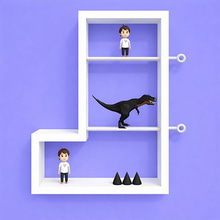
Pin Out Rescue Game takes a tiny idea and squeezes an impressive amount of tension out of it. There is a trapped character, a room full of hazards, a few carefully placed pins, and one very dangerous question hanging in the air: which piece do you pull first? That is all the game needs to start working its magic. One move can create a clean rescue. One wrong move can flood the room with chaos, drop danger exactly where it should not go, or turn a safe-looking setup into a very silly disaster.
That is why this puzzle game gets so addictive so quickly. It looks simple. Almost too simple. Then you make one confident move too early, watch the level collapse into nonsense, and suddenly your whole brain is locked in. Pin Out Rescue Game understands the joy of a good logic puzzle. It does not overwhelm you with clutter. It gives you a compact problem, a few possible decisions, and enough danger to make each choice feel heavier than it should.
This is exactly the kind of rescue game that turns “just one more level” into a full session without asking permission first.
𝗧𝗛𝗘 𝗣𝗜𝗡𝗦 𝗔𝗥𝗘 𝗡𝗢𝗧 𝗝𝗨𝗦𝗧 𝗢𝗕𝗝𝗘𝗖𝗧𝗦. 𝗧𝗛𝗘𝗬 𝗔𝗥𝗘 𝗗𝗘𝗖𝗜𝗦𝗜𝗢𝗡𝗦 🎯
The smartest thing about Pin Out Rescue Game is how much meaning it gives to a single action. Pulling a pin is easy. Pulling the right one, in the right order, for the right reason, is the real challenge. Every pin controls the flow of the level. It might release treasure, clear a path, block danger, move lava, free water, separate enemies, or expose your poor trapped character to exactly the kind of bad outcome you were trying to avoid. That makes every level feel like a little machine waiting to be understood.
And once you start seeing the levels that way, the game gets much better. You stop reacting and start analyzing. What happens if this pin moves first? Where does the danger flow? Which threat is actually urgent, and which one only looks scary because the room is trying to rush your judgment? Those little mental questions are the whole engine of the game. You are not solving puzzles through speed. You are solving them through order.
That is what gives the game its satisfying snap. A good solution feels clean. It feels like the whole level finally clicks into place, and suddenly what looked messy a second earlier becomes obvious. Great puzzle games create that feeling over and over. This one does it with admirable efficiency.
𝗥𝗘𝗦𝗖𝗨𝗘 𝗚𝗔𝗠𝗘𝗦 𝗪𝗢𝗥𝗞 𝗕𝗘𝗦𝗧 𝗪𝗛𝗘𝗡 𝗧𝗛𝗘 𝗗𝗔𝗡𝗚𝗘𝗥 𝗙𝗘𝗘𝗟𝗦 𝗝𝗨𝗦𝗧 𝗔 𝗟𝗜𝗧𝗧𝗟𝗘 𝗠𝗘𝗔𝗡 😅
A rescue puzzle without real consequences would get boring fast. Pin Out Rescue Game avoids that problem because its traps actually matter. Fire, enemies, bad timing, blocked paths, and wrong pin sequences all give the levels edge. The game never needs to become dark or serious to create tension. It just needs to let your mistakes matter. That is enough.
This works especially well because the danger is usually visible before it becomes active. You can see the problem. The challenge is understanding how the room will behave once you touch it. That small gap between seeing and knowing is where the fun lives. A level might look easy at first glance, but the order changes everything. Pull one pin and the path opens. Pull another first and suddenly the entire rescue is doomed because you misunderstood how the room was built. That is a very good kind of frustration. The fix is usually right there. You just need to think better next time.
And when you do think better, the game rewards you immediately. The trapped character survives, the danger gets neutralized, and the whole room resolves in a neat little chain reaction that feels much smarter than the actual controls would suggest.
𝗦𝗜𝗠𝗣𝗟𝗘 𝗖𝗢𝗡𝗧𝗥𝗢𝗟𝗦 𝗔𝗥𝗘 𝗪𝗛𝗔𝗧 𝗠𝗔𝗞𝗘 𝗧𝗛𝗘 𝗣𝗨𝗭𝗭𝗟𝗘𝗦 𝗦𝗛𝗜𝗡𝗘 ✨
One reason Pin Out Rescue Game is so easy to get into is that it never hides the fun behind complexity. The controls are about as direct as they can be. You pull pins. That is it. No awkward movement systems, no overloaded interface, no need to memorize anything beyond basic cause and effect. That simplicity is a huge strength because it lets the puzzle design carry the whole experience.
It also makes the game surprisingly elegant. When a puzzle works, it works because the logic is solid, not because the player wrestled through clumsy mechanics. That is always a good sign. You can focus completely on the room, the order, the threats, and the solution. The game becomes a pure exercise in reading the situation clearly.
And because the levels are compact, failure never feels too expensive. If you mess up, you usually understand why almost immediately. That quick feedback loop is a massive part of the game’s appeal. You are never far from trying again, and since the answer often feels almost within reach, the next attempt becomes irresistible.
𝗘𝗩𝗘𝗥𝗬 𝗟𝗘𝗩𝗘𝗟 𝗜𝗦 𝗔 𝗧𝗜𝗡𝗬 𝗧𝗥𝗔𝗣 𝗙𝗢𝗥 𝗢𝗩𝗘𝗥𝗖𝗢𝗡𝗙𝗜𝗗𝗘𝗡𝗖𝗘 🧠
The game gets especially fun once you realize how often it plays with your assumptions. A pin that looks obviously correct may actually be the last one you should touch. A threat that seems urgent might be harmless until you trigger something else. A path that looks blocked might be the safest route once the room changes shape. Pin Out Rescue Game is very good at tempting you into premature confidence, and that keeps the levels lively.
That trick matters because it gives the puzzles personality. They are not just static logic exercises. They feel designed to test patience as much as intelligence. Can you pause long enough to read the whole room? Can you resist the impulse to yank the most obvious pin first? Can you let the puzzle explain itself before you start “helping” it in all the wrong ways? The best players do exactly that. The rest of us occasionally learn through small, flaming embarrassment.
And honestly, that is part of the charm. The game knows that failure can be funny if it happens quickly and clearly enough. A bad move is not just a loss. It is a lesson wrapped inside a little burst of chaos.
𝗣𝗨𝗟𝗟-𝗧𝗛𝗘-𝗣𝗜𝗡 𝗚𝗔𝗠𝗘𝗦 𝗡𝗘𝗘𝗗 𝗚𝗢𝗢𝗗 𝗥𝗛𝗬𝗧𝗛𝗠, 𝗔𝗡𝗗 𝗧𝗛𝗜𝗦 𝗢𝗡𝗘 𝗛𝗔𝗦 𝗜𝗧 ⏳
Another reason the game stays engaging is pacing. The levels are short, the challenge is immediate, and the outcome of your decision happens quickly enough to keep everything snappy. That is exactly what a browser puzzle game should aim for. There is no wasted movement between idea and consequence. Think, pull, watch, learn, repeat. The game respects your time while still giving each level enough room to feel clever.
That rhythm also makes the whole thing ideal for quick sessions that accidentally become long ones. You solve a few levels, then hit one that pushes back a little harder. You fail once, then again, then suddenly you are completely invested because the answer feels so close that walking away would be ridiculous. The game is excellent at creating that stubborn little loop.
And because each puzzle is self-contained, the experience stays fresh. One level might be about separating danger from the hero. Another might be about releasing the right element in the right order. Another might be about blocking one threat before opening another route. The core mechanic stays the same, but the mental pressure keeps shifting.
𝗪𝗛𝗬 𝗣𝗜𝗡 𝗢𝗨𝗧 𝗥𝗘𝗦𝗖𝗨𝗘 𝗚𝗔𝗠𝗘 𝗪𝗢𝗥𝗞𝗦 𝗦𝗢 𝗪𝗘𝗟𝗟 𝗢𝗡 𝗞𝗜𝗭𝟭𝟬 🏆
On Kiz10, Pin Out Rescue Game is a perfect fit for players who enjoy logic puzzles, pull-the-pin games, rescue challenges, and brain games that are easy to start but difficult to dismiss. It has the right kind of design for this style of puzzle. Fast restarts, clear consequences, and just enough trap-based cruelty to keep the levels memorable.
The best part is how much tension it creates from so little. A few pins, a trapped character, some danger, and suddenly the room becomes a tiny logic battlefield. That is great puzzle design. It does not need to be loud. It just needs to be clever.
Play Pin Out Rescue Game on Kiz10 if you want a rescue puzzle where every pin matters, every trap punishes lazy thinking, and every successful solution feels like you turned a room full of chaos into one clean, satisfying answer.





 Share
Share
 Embed
Embed