𝗦𝗢𝗠𝗘𝗧𝗜𝗠𝗘𝗦 𝗧𝗛𝗘 𝗪𝗢𝗥𝗟𝗗 𝗜𝗦 𝗝𝗨𝗦𝗧 𝗖𝗢𝗟𝗢𝗥… 𝗔𝗡𝗗 𝗜𝗧 𝗪𝗔𝗡𝗧𝗦 𝗬𝗢𝗨 𝗗𝗘𝗔𝗗 🌈🐍
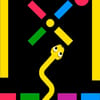
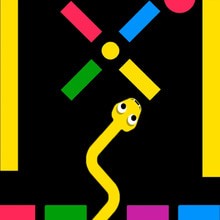
Color Slither Snake on Kiz10 starts with a simple promise: you’re a snake, you move forward, you survive. Then it adds the twist that turns your brain into a nervous paint mixer. The path is filled with obstacles, but here’s the catch: you can only break the blocks that match your current color. Not “mostly match.” Not “close enough.” Match. Anything else is basically a neon brick wall with your name on it. So the game stops being just a snake run and becomes a fast color-matching survival test where every second feels like a tiny judgement day.
It’s oddly cinematic in a minimal way. Bright lanes, sharp blocks, your snake gliding like a laser through a tunnel. One clean streak and you feel unstoppable. One wrong color and the whole vibe turns into instant regret 😵💫.
𝗧𝗛𝗘 𝗥𝗨𝗟𝗘 𝗧𝗛𝗔𝗧 𝗠𝗔𝗞𝗘𝗦 𝗜𝗧 𝗔𝗗𝗗𝗜𝗖𝗧𝗜𝗩𝗘 🎯🧱
Most arcade snake games are about steering. Color Slither Snake adds a rule that makes steering feel personal: your color is your permission slip. If your snake is red, red blocks are “breakable.” Blue blocks are “absolutely not.” That single idea creates a constant micro-decision loop. Do you shift lanes now to line up with a safe color, or hold your path and hope the next segment gives you a better option?
And it’s not just about not dying. Breaking blocks feels good. It’s crunchy and satisfying, like clearing a path with perfect timing. When you’re in the right lane and the color matches, you cut through obstacles like they were made of candy glass 🍬💥. When it doesn’t match, you hesitate for half a beat… and half a beat is how runs end.
𝗖𝗢𝗟𝗢𝗥 𝗦𝗪𝗜𝗧𝗖𝗛𝗜𝗡𝗚 𝗜𝗦 𝗬𝗢𝗨𝗥 𝗦𝗘𝗖𝗢𝗡𝗗 𝗛𝗘𝗔𝗥𝗧 💓🎨
The real tension comes from the moments where your color changes. Suddenly the lane you were dominating becomes dangerous, and a lane you were avoiding becomes your safe highway. It forces you to stay mentally flexible. You can’t marry one route. You can’t get sentimental about “my favorite side.” The game will flip the rules mid-run and you have to adapt instantly, like you’re driving through a rainbow storm with a blindfold that keeps slipping 😅.
This is where it feels less like a casual runner and more like a reflex puzzle. Your eyes scan ahead, your brain labels colors fast, and your hand moves before you’ve fully finished thinking. When it clicks, it feels smooth and confident. When it doesn’t, you’ll do that classic thing where you move into the correct lane… and realize you moved one lane too far. Oops.
𝗧𝗛𝗘 𝗣𝗔𝗧𝗛 𝗜𝗦 𝗔 𝗠𝗔𝗭𝗘, 𝗔𝗡𝗗 𝗬𝗢𝗨’𝗥𝗘 𝗦𝗢𝗟𝗩𝗜𝗡𝗚 𝗜𝗧 𝗔𝗧 𝗦𝗣𝗘𝗘𝗗 🌀🧠
Here’s the sneaky magic: even though you’re “just slithering,” you’re constantly solving a moving puzzle. Each stretch of blocks is a question: which lane keeps me alive, which lane lets me break through, which lane sets me up for what’s coming next? It’s not enough to survive the next obstacle. You want to survive the next five. That’s where scores and long runs come from, not heroic last-second swerves.
You’ll start making decisions that feel like strategy, not panic. You’ll notice patterns. You’ll start predicting where safe colors will appear. You’ll stop reacting late and start preparing early. And that’s when the game gets dangerously replayable, because improvement feels real. You can feel yourself getting sharper run by run 🔥.
𝗪𝗛𝗘𝗡 𝗬𝗢𝗨 𝗚𝗢 𝗢𝗡 𝗔 𝗦𝗧𝗥𝗘𝗔𝗞, 𝗜𝗧 𝗙𝗘𝗘𝗟𝗦 𝗟𝗜𝗞𝗘 𝗬𝗢𝗨’𝗥𝗘 𝗖𝗨𝗧𝗧𝗜𝗡𝗚 𝗧𝗛𝗥𝗢𝗨𝗚𝗛 𝗟𝗜𝗚𝗛𝗧 ⚡🐍✨
There’s a special high in Color Slither Snake when everything lines up. Your color matches the lane. The blocks are stacked neatly. Your movement is clean. You’re breaking obstacle after obstacle like you’ve got VIP access to reality. In those moments, the game feels fast but not stressful. It feels like flow. Like you’re surfing a neon current 🌊🌈.
Then the game throws a mixed-color segment at you and asks, very politely, if you’d like to keep that confidence. This is where players mess up: they chase the satisfying “smash” feeling and forget to prioritize survival. Sometimes the best move is not breaking anything. Sometimes the best move is sliding into a safer color lane and letting your ego relax for two seconds. It’s weirdly grown-up advice for a snake game, but it works.
𝗟𝗜𝗧𝗧𝗟𝗘 𝗠𝗜𝗦𝗧𝗔𝗞𝗘𝗦 𝗟𝗢𝗢𝗞 𝗧𝗜𝗡𝗬… 𝗨𝗡𝗧𝗜𝗟 𝗧𝗛𝗘𝗬 𝗔𝗥𝗘𝗡’𝗧 😬🚧
Because the rules are strict, mistakes in this game are sharp. You don’t get a long argument with the obstacle. You either match and break, or you don’t. That makes every decision feel meaningful, even the small ones. If you drift into the wrong color lane for “just a second,” that second will be exactly when the next block arrives. It’s almost funny how the game catches you at your most casual.
And yet, it never feels unfair. When you lose, you know why. Wrong lane. Wrong color. Late reaction. Overconfidence. That clarity is what makes you hit restart without complaining. The game doesn’t steal your run. You hand it over like a donation 😂.
𝗧𝗛𝗘 𝗦𝗢𝗨𝗡𝗗𝗟𝗘𝗦𝗦 𝗦𝗧𝗢𝗥𝗬 𝗬𝗢𝗨 𝗧𝗘𝗟𝗟 𝗬𝗢𝗨𝗥𝗦𝗘𝗟𝗙 🤫🎭
A funny thing happens while playing: you start narrating. “Okay, stay green, stay green.” “Don’t touch blue, don’t touch blue.” “Easy, easy… wait, why is everything purple now?!” It becomes a little internal movie where you’re the hero, the snake is your stunt double, and the villain is a rectangle with the wrong pigment.
That internal narration keeps the tension light and entertaining. It’s not horror-stress. It’s arcade-stress. The kind where you laugh when you fail and immediately try again because you can see exactly how you should’ve done it. The levels don’t need deep lore. The drama is in the decisions, the pace, the sudden color shifts, the near misses 😅🟦🟩.
𝗪𝗛𝗬 𝗜𝗧 𝗛𝗜𝗧𝗦 𝗦𝗢 𝗪𝗘𝗟𝗟 𝗢𝗡 𝗞𝗜𝗭𝟭𝟬 🕹️🏁
Color Slither Snake fits Kiz10 perfectly because it’s quick to understand and hard to master. Anyone can start playing in seconds, but lasting longer takes focus, color recognition, lane control, and that calm patience that prevents panic moves. It’s also a great score-chasing arcade game, because every run is a personal challenge. You’re not just trying to “finish.” You’re trying to beat yourself, to get cleaner, faster, smarter.
If you love snake games, color match mechanics, obstacle breaker arcade runs, and that smooth feeling of sliding through a path you’ve basically solved at full speed, this is a solid pick. Just remember the main rule: your color is your shield… and also your trap if you forget it for even one blink 🐍👀.





 Share
Share
 Embed
Embed