𝐍𝐨 𝐩𝐚𝐫𝐭𝐲, 𝐧𝐨 𝐛𝐚𝐜𝐤𝐮𝐩, 𝐣𝐮𝐬𝐭 𝐲𝐨𝐮 𝐚𝐧𝐝 𝐚 𝐬𝐜𝐫𝐞𝐞𝐧 𝐭𝐡𝐚𝐭 𝐡𝐚𝐭𝐞𝐬 𝐲𝐨𝐮 🔥🕹️
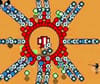
Die Alone is the kind of game that tells the truth right in the title. There is no team, no forgiving support system, no friendly little warm-up while you settle in. Public descriptions across game portals all point to the same core identity: this is a fast, retro-style bullet-hell boss-rush shooter with six bosses, five weapon upgrades, and absolutely no interest in making life easy for the player.
That setup already gives the game a sharp personality. A lot of shooters spread their pressure across long levels, random enemy packs, or endless filler between big fights. Die Alone sounds much meaner and much smarter than that. It cuts straight to what matters. Bosses. Patterns. Bullets everywhere. Movement that has to stay clean even while the screen turns into a very public test of your nerves. That kind of structure is perfect for Kiz10 because it creates immediate intensity. You do not need ten minutes to know what this game wants from you. It wants focus. It wants calm. It wants you to survive a storm that clearly assumes you will not.
𝐁𝐮𝐥𝐥𝐞𝐭 𝐡𝐞𝐥𝐥 𝐢𝐬 𝐚𝐥𝐰𝐚𝐲𝐬 𝐦𝐨𝐫𝐞 𝐚𝐛𝐨𝐮𝐭 𝐦𝐨𝐯𝐞𝐦𝐞𝐧𝐭 𝐭𝐡𝐚𝐧 𝐩𝐨𝐰𝐞𝐫 ⚡💀
The first trap people fall into with games like Die Alone is assuming the real job is just shooting harder. It is not. The real job is staying alive while the whole screen starts behaving like a geometry problem designed by something deeply unfriendly. Bullet-hell games are always about movement first. Shooting matters, yes, but clean movement matters more. If your positioning collapses, your weapon stops mattering very quickly. That is what makes a boss-rush format so effective here. Every fight becomes a lesson in spacing, timing, reading patterns, and not drifting into panic the second the projectiles start multiplying. This is also consistent with how the game is described publicly: nonstop action, high-speed scrolling, dangerous bosses, and survival in a hostile environment.
That is the kind of challenge that gets under your skin fast. A bad run never feels random for long. Usually you know what happened. You moved too wide. You corrected too late. You chased damage when the safer route was obvious. The game punishes greed beautifully, which is exactly what a strong browser shooter should do. Every death leaves behind a tiny little lesson, even if that lesson is mostly “stop believing that one stupid gap was wide enough.”
𝐒𝐢𝐱 𝐛𝐨𝐬𝐬𝐞𝐬 𝐦𝐞𝐚𝐧𝐬 𝐬𝐢𝐱 𝐝𝐢𝐟𝐟𝐞𝐫𝐞𝐧𝐭 𝐰𝐚𝐲𝐬 𝐭𝐨 𝐥𝐨𝐬𝐞 𝐲𝐨𝐮𝐫 𝐜𝐨𝐦𝐩𝐨𝐬𝐮𝐫𝐞 👾🚨
The boss-rush structure is one of the best things about Die Alone. Multiple sources explicitly mention six bosses, and that detail matters because it suggests the game is built around escalation through distinct encounters instead of recycled noise.
That means the game gets to stay sharp. Every boss should feel like its own argument. A new pattern to learn. A new attack rhythm to read. A new visual mess to survive without losing control of your route. In a good boss-rush shooter, each fight feels memorable not because it is loud, but because it teaches the player something different. One boss might pressure you with spread fire. Another might trap you with tighter spacing. Another might demand more aggressive damage windows because the longer the fight lasts, the uglier the screen becomes. Even when the game stays visually simple, those changing demands keep the whole experience fresh and much more replayable than a plain wave shooter. The six-boss format strongly implies that kind of design.
And that is where the real drama comes from. You are not only trying to survive one fight. You are trying to survive a sequence of fights while holding your skill together long enough for the whole run to matter. A clean first boss does not mean much if the fourth one turns your nerves into confetti. That long-form pressure is exactly what makes this kind of game so addictive.
𝐔𝐩𝐠𝐫𝐚𝐝𝐞𝐬 𝐝𝐨 𝐧𝐨𝐭 𝐦𝐚𝐤𝐞 𝐭𝐡𝐞 𝐠𝐚𝐦𝐞 𝐤𝐢𝐧𝐝, 𝐭𝐡𝐞𝐲 𝐣𝐮𝐬𝐭 𝐦𝐚𝐤𝐞 𝐲𝐨𝐮 𝐡𝐨𝐩𝐞 𝐚 𝐥𝐢𝐭𝐭𝐥𝐞 𝐦𝐨𝐫𝐞 🔧🚀
Public descriptions also mention five weapon upgrades, and that small detail does a lot of work.
Because in a game like Die Alone, upgrades are not just a reward. They are a promise. A promise that the next stretch of chaos might feel a little more manageable, a little more powerful, a little closer to under control. That changes the emotional loop completely. Suddenly progress is not only about learning patterns. It is also about building offensive confidence. A stronger weapon can shorten a dangerous phase. A better firing spread can open safer damage opportunities. A faster or heavier attack might let you end a boss segment before the screen becomes truly disgusting.
But this is the nice cruel part: upgrades never replace skill in a bullet-hell game. They only make skill more visible. If your movement is bad, more power just means you die louder. If your reads are sharp, though, upgrades feel fantastic because they turn clean survival into actual dominance. That balance is what keeps games like this fair. The player feels stronger, but never safe. Good. Safety would ruin the mood.
𝐓𝐡𝐞 𝐫𝐞𝐭𝐫𝐨 𝐥𝐨𝐨𝐤 𝐚𝐜𝐭𝐮𝐚𝐥𝐥𝐲 𝐦𝐚𝐤𝐞𝐬 𝐭𝐡𝐞 𝐩𝐫𝐞𝐬𝐬𝐮𝐫𝐞 𝐛𝐞𝐭𝐭𝐞𝐫 🎮🌑
Die Alone is described as retro and pixelated on several sites, and honestly that style fits the game perfectly.
Retro shooters tend to get more out of less. Cleaner sprites, cleaner contrast, cleaner danger. In a bullet-hell boss-rush game, that matters a lot. The player needs to read threats quickly. A simpler visual language can actually make the pressure feel more immediate because nothing is hidden under clutter. You see the bullets. You see the boss. You see the space you think is safe. Then the game proves otherwise.
There is also a special kind of charm in a retro shooter being this unforgiving. It feels old-school in the best sense. No extra softness. No fake cinematic padding. Just raw challenge and the satisfaction of slowly getting better at something that looked impossible fifteen minutes earlier. That is exactly the sort of feeling that makes players stay much longer than intended. The screen is small, the idea is simple, and suddenly your whole mood depends on whether you can survive one more attack cycle.
𝐖𝐡𝐲 𝐃𝐢𝐞 𝐀𝐥𝐨𝐧𝐞 𝐠𝐞𝐭𝐬 𝐬𝐨 𝐬𝐭𝐢𝐜𝐤𝐲 𝐨𝐧𝐜𝐞 𝐢𝐭 𝐜𝐥𝐢𝐜𝐤𝐬 🔁😵
The most dangerous thing about Die Alone is not the bosses. It is the retry loop. Because the game is described so consistently as fast, brutal, and pattern-driven, every loss immediately looks fixable.
That is arcade poison in the best possible way. You do not quit because the failure feels unfair. You restart because the mistake feels personal and solvable. A better dodge route. A calmer opening. Less greed in the final phase. One better damage window. There is always some visible adjustment your brain latches onto, and suddenly the next run feels necessary. Then the next. Then the next.
That is how bullet-hell games earn loyalty. Not through huge content dumps, but through skill pressure that always feels just within reach. Die Alone seems built around that exact sensation. A tiny bit more control. A tiny bit more pattern knowledge. A tiny bit less panic. That is enough to turn a browser shooter into a full evening.
𝐖𝐡𝐲 𝐃𝐢𝐞 𝐀𝐥𝐨𝐧𝐞 𝐰𝐨𝐫𝐤𝐬 𝐟𝐨𝐫 𝐊𝐢𝐳𝟏𝟎 🚀🕹️
Even though I did not find a current Kiz10 page for Die Alone itself, the game’s public descriptions are clear enough to support the core experience: a retro bullet-hell boss-rush shooter with six bosses, five upgrades, high-speed scrolling, and no mercy.
That style fits Kiz10 extremely well because it is immediate, browser-friendly, and built around pure replayable skill. If you enjoy shooters where the screen turns hostile fast, upgrades matter, bosses feel memorable, and survival always depends more on composure than confidence, Die Alone is a very strong concept for Kiz10’s action lane. It has the right kind of cruelty, the right kind of clarity, and exactly the sort of “one more run” pressure that browser arcade fans tend to loves.



 4.2 (14 votes)
 Share
Share
 Embed
Embed