𝗕𝗲𝗴𝗶𝗻 𝘄𝗶𝘁𝗵 𝗮 𝘀𝗺𝗶𝗹𝗲… 𝗲𝗻𝗱 𝘄𝗶𝘁𝗵 𝗮 𝘀𝘄𝗲𝗮𝘁𝘆 𝗽𝗮𝗹𝗺 😅🖐️
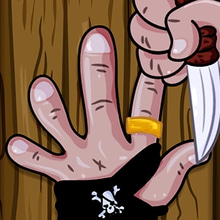
Don’t Cut Yourself! is the kind of game that looks like a tiny joke until you realize your heartbeat has joined the session. You open it on Kiz10 and it’s instantly clear what the challenge is: a virtual knife, a row of fingers, and a rhythm that demands respect. It’s not trying to be a deep RPG or a long adventure. It’s a pure reflex game, an arcade timing challenge that asks one simple question and then repeats it louder every few seconds: can you stay precise when the speed keeps climbing?
The vibe is old-school daring without being complicated. One tap, one strike, one moment of relief… then another tap, another strike, and suddenly you’re not “playing casually” anymore. You’re locked in, eyes narrowed, brain quiet, living inside the tiniest window of time where a clean hit equals points and hesitation equals trouble. It’s a “just one more try” trap, because every time you fail you know exactly why, and that makes revenge feel irresistible. 😈
𝗧𝗵𝗲 𝗿𝘂𝗹𝗲 𝗶𝘀 𝘀𝗶𝗺𝗽𝗹𝗲, 𝘁𝗵𝗲 𝗽𝗿𝗲𝘀𝘀𝘂𝗿𝗲 𝗶𝘀 𝗻𝗼𝘁 🔪⏱️
At its core, this is a click timing game. You’re not wandering around a map. You’re not learning fifty combos. You’re watching a pattern and reacting at exactly the right moment. The knife moves in a steady rhythm, jumping from space to space, and your job is to trigger the strike when it’s safe. Sounds easy, right? The game smiles and nods like, sure, sure, that’s easy… for the first few seconds.
Then the tempo tightens. The gaps feel smaller. Your confidence gets louder than your accuracy. That’s when the game becomes interesting. Don’t Cut Yourself! isn’t really about being “fast.” It’s about being consistent under pressure. Fast is a side effect. Consistency is the skill. You learn to trust the rhythm instead of fighting it, and that’s when you start scoring higher, not because you’re lucky, but because you stopped flinching.
And yes, it plays on that classic pirate-bar dare energy, the ridiculous bravado of “watch this,” except it’s all virtual, safe, and purely about timing. The danger is in your nerves, not in reality, which is exactly why it’s fun. 😅🏴☠️
𝗧𝗶𝗺𝗶𝗻𝗴 𝗳𝗲𝗲𝗹𝘀 𝗹𝗶𝗸𝗲 𝗺𝘂𝘀𝗶𝗰… 𝘂𝗻𝘁𝗶𝗹 𝗶𝘁 𝗳𝗲𝗲𝗹𝘀 𝗹𝗶𝗸𝗲 𝗽𝗮𝗻𝗶𝗰 🎵😵💫
There’s a moment in every good reflex arcade game where you stop thinking in sentences. Don’t Cut Yourself! gets you there fast. Early on, you’re observing, planning, telling yourself “okay, tap when it’s between fingers.” But once the speed ramps, your brain switches modes. It becomes pure pattern recognition. Tap. Wait. Tap. Wait. Your hand starts anticipating the beat, and for a brief stretch you feel unstoppable, like you’ve synchronized with the game perfectly.
That’s the sweet spot, the zone. The screen becomes simple, almost hypnotic, and the points stack up. You’re not reacting anymore, you’re performing. Then the game nudges the tempo again, just slightly, and you realize the zone is fragile. One tiny delay, one tiny early tap, and the rhythm collapses. Suddenly you’re out of sync and trying to force yourself back in, which is the fastest way to fail. The game is basically teaching you a weird lesson: you can’t bully timing. You have to listen to it. 😬
𝗧𝗵𝗿𝗲𝗲 𝗺𝗶𝘀𝘁𝗮𝗸𝗲𝘀, 𝘁𝗵𝗿𝗲𝗲 𝗹𝗲𝘀𝘀𝗼𝗻𝘀, 𝗮 𝘄𝗵𝗼𝗹𝗲 𝗹𝗼𝘁 𝗼𝗳 𝗲𝗴𝗼 💥😭
One of the reasons it stays addictive is how cleanly it punishes errors. You make a mistake, you lose a life, you immediately understand what happened, and the game dares you to do better. There’s no mystery. No “what even hit me?” moments. It’s always you versus the beat.
And that can get emotional in the funniest way. You’ll have a run where you’re doing amazing, feeling proud, imagining yourself as some kind of timing wizard, and then you mess up at a speed you swear you can handle. The failure is instant, almost comical. You stare at the screen like it betrayed you. It didn’t. You betrayed the rhythm. 😂
The three-life structure is perfect because it gives you room to recover without making failure meaningless. You can slip once and still save the run. Slip twice and now you’re sweating. Slip the third time and the run ends and you instantly want to restart because you were “so close” to a better score. That’s the loop, and it’s ruthless in a playful way.
𝗦𝗰𝗼𝗿𝗲 𝗰𝗵𝗮𝘀𝗶𝗻𝗴 𝗶𝘀 𝗮 𝗽𝗲𝗿𝘀𝗼𝗻𝗮𝗹𝗶𝘁𝘆 𝘁𝗲𝘀𝘁 🏆🧠
Don’t Cut Yourself! is basically a test of how you handle pressure when the answer is always “be patient” and your instincts scream “go now.” The higher your score climbs, the more the game dares you to speed up. You start making little mental bargains. “I’ll tap a bit earlier.” “I don’t need to wait.” “I’m fine.” And the game is waiting for that exact moment, because that exact moment is when you lose control.
If you want to score high consistently, you start playing like a calm person who has never panicked in their life. Not because you are that person, but because you’re pretending. You keep your taps steady. You resist the urge to double-tap. You treat every strike like it matters, even when the tempo tries to hypnotize you into sloppy speed. And when you do that, the game feels incredible, because your score becomes proof of discipline, not just reaction time.
It’s also one of those games where spectators make it funnier. If someone’s watching, suddenly every run turns into a performance. You’ll try to be brave, you’ll try to be fast, you’ll mess up, you’ll laugh, you’ll demand a rematch with the screen like it’s a rival. Perfect party-game energy, even if you’re playing solo. 😄👀
𝗧𝗵𝗲 𝗮𝗲𝘀𝘁𝗵𝗲𝘁𝗶𝗰 𝗶𝘀 𝗽𝘂𝗿𝗲 𝗳𝗼𝗰𝘂𝘀, 𝗻𝗼 𝗳𝗹𝘂𝗳𝗳 🎯✨
Visually, the game doesn’t drown you in distractions, and that’s a strength. The simplicity keeps your attention on the timing. Every element on screen exists to serve the mechanic: where the knife is, where the safe gaps are, how fast the sequence is moving. It’s minimal in a way that makes the tension louder, because there’s nothing to hide behind. When you miss, you can’t blame complicated controls. When you win, you can’t credit random luck. It’s clean, direct, and satisfying.
On Kiz10, that makes it a perfect quick-session game. You can jump in for one run, chase a score, and leave. Or you can do the more realistic thing: play ten runs because each one feels like it could be the perfect one if you just keep your nerves steady for a little longer. 😅
𝗪𝗵𝘆 𝗶𝘁 𝘀𝘁𝗶𝗰𝗸𝘀: 𝗽𝘂𝗿𝗲 𝘀𝗸𝗶𝗹𝗹, 𝗽𝘂𝗿𝗲 𝗿𝗲𝘀𝘁𝗮𝗿𝘁 𝗲𝗻𝗲𝗿𝗴𝘆 🔁⚡
Don’t Cut Yourself! is built around a simple promise: every time you play, you can be better. There’s no complicated grind. The progress happens in you. Your eyes get sharper. Your taps get steadier. Your panic gets quieter. You start noticing micro-patterns in the timing, little cues that help you stay locked in even when the speed is rude. That’s what makes it addictive and oddly satisfying, because improvement is real and immediate.
It’s the kind of arcade reflex game that doesn’t need a huge feature list to feel complete. It has tension, clarity, quick retries, and that delicious feeling of “I can beat my own score.” If you love timing challenges, reaction games, and anything that turns one simple mechanic into a full-on obsession, Don’t Cut Yourself! on Kiz10 is a tiny, sharp little classic. Just remember: the only enemy here is rushing. 😬🏆

















 Share
Share
 Embed
Embed


