🦸 One Jump Is Never Just One Jump
Hero Jump sounds simple in the most dangerous possible way. You hear the title and think, alright, I know what this is going to be. A hero jumps. Maybe there are platforms. Maybe there are obstacles. Maybe I bounce upward for a while, collect a few things, and feel good about myself. Very clean. Very manageable. Then the game actually starts moving, the screen begins demanding real timing, and suddenly that innocent little jump has become the center of your entire attention span. That is exactly why games like this work so well on Kiz10. They take one mechanic, sharpen it until it matters, and then let gravity, height, and momentum do the rest.
What makes Hero Jump so appealing is that the entire fantasy is built around upward movement. You are not trudging through a slow stage wondering when something interesting will happen. You are rising. Escaping the lower ground. Chasing higher platforms, tighter openings, cleaner landings, and that beautiful feeling that one more good jump can keep the whole run alive. A platform game based around jumping already understands something important: vertical movement feels dramatic. It always has. Going up feels like progress in the most obvious, satisfying way. Every successful leap pushes you farther, and every mistake reminds you how fragile momentum really is.
And yes, momentum becomes your best friend right before it becomes a problem.
⚡ The Air Is Friendly Until It Isn’t
In Hero Jump, movement is the whole language of the game. Every decision is written in timing. Do you commit early or wait a fraction longer. Do you take the safer platform or reach for the higher one. Do you trust the edge of that landing space, or are you about to discover that confidence and accuracy are not actually the same thing. These are tiny questions, but the game keeps asking them so quickly that they start shaping the entire experience.
That is where the fun begins to sharpen. At first, jumping feels natural. Almost casual. But once hazards, spacing, and speed start working together, each leap gains weight. A platform is no longer just a platform. It is a promise, a risk, a temporary truce with gravity. You land, you breathe for half a second, and immediately the next move matters. That constant forward pressure is what gives Hero Jump its energy. The game does not let you settle for long. It wants flow. It wants rhythm. It wants you moving with the kind of confidence that only lasts until one badly judged leap turns the whole run into a cautionary tale.
And that is a good thing. Great jumping games need that edge. Without danger, a leap is just movement. With danger, a leap becomes drama.
🏃 The Hero Is Only as Good as Your Timing
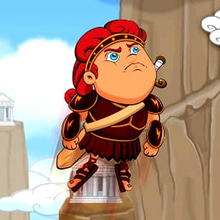
The nice thing about a game like Hero Jump is that the hero fantasy is earned through action instead of cutscenes. Nobody needs to give you a speech about bravery. The game lets you prove it in the air. Every tight landing, every close recovery, every desperate save where you barely catch the edge of a platform is what builds that heroic feeling. The character might be the one jumping, but the nerve belongs to the player.
That matters because it turns the challenge personal very quickly. You do not lose because some giant plot twist happened. You lose because you were early, or late, or greedy, or weirdly convinced that a bad angle was going to work out this time. Hero Jump keeps the feedback honest. When you fail, it is usually obvious why. And when you succeed, it feels earned in a very clean, arcade sort of way. There is no confusion about where the satisfaction comes from. You made the jump. Or you did not.
That honesty is what makes improvement so satisfying. A lot of browser games are fun for a few minutes because the idea is cute. Jumping games stay fun because the player can actually feel the difference between a sloppy run and a sharp one. You notice your rhythm getting better. You start reading distances more naturally. Your panic jumps become smarter jumps. The sections that once felt rude begin to feel possible. Then manageable. Then exciting.
🌆 Height Turns Everything Into a Risk
There is something special about games where the challenge grows with altitude. The higher you go in a title like Hero Jump, the more every mistake seems to matter. It is not only about losing ground. It is about losing progress you fought to build one leap at a time. That creates a subtle tension in every successful climb. The higher you rise, the more the next move starts to feel expensive.
That tension gives the game a really strong emotional rhythm. Early jumps feel exploratory. You are testing the movement, understanding the pace, finding the first real flow. Then the climb begins to matter. Suddenly your route upward looks precious. A clean streak starts forming. Your confidence rises with your altitude. And then, naturally, the game decides this is the perfect time to ask for something more difficult. A smaller platform. A trickier angle. A jump that looks possible but absolutely refuses to be generous.
Good. That is exactly how a game like this should behave.
Hero Jump gets stronger when the journey upward begins to feel like a conversation between ambition and caution. You want to keep rising. You want the bigger run, the cleaner climb, the higher score or farther progress. But the game keeps reminding you that every upward dream still has to pass through gravity first. That balance makes the challenge addictive. You are always close enough to improvement that another try feels reasonable.
🎮 A Platform Game Disguised as Pure Instinct
What I like most about Hero Jump is that it probably looks more reactive than it really is. From the outside, people see a jumping arcade game and think it is just reflexes. And yes, reflexes matter. Of course they do. But the deeper appeal usually comes from something else: reading space. Understanding patterns. Learning how the game wants you to move before it asks for the move directly. In other words, there is more brain in it than people first expect.
Once you settle in, the jumps stop being random acts of hope and start becoming decisions. You notice which platforms are safer setup points. You recognize when a lower jump is smarter than a dramatic one. You begin to understand that climbing well is not only about speed. It is about clean sequencing. One good landing leads naturally to the next, and then suddenly a section that looked chaotic reveals a rhythm you can follow.
That is when the game becomes hard to put down. Not because you are merely reacting, but because you are learning. Learning the space, learning the pace, learning how not to turn every promising ascent into a tragic little plunge caused by your own overconfidence.
💥 Why Failure Feels Funny Before It Feels Bad
Hero Jump also benefits from a truth that all good jumping games understand: failure needs to be quick and readable. If missing a jump feels confusing or slow, players get annoyed. If missing a jump feels immediate and obvious, they restart. This kind of arcade platformer is strongest when it lets the mistake happen fast, teaches the lesson instantly, and throws you right back into the action with enough dignity left to try again.
That restart loop is everything. You miss a jump, but you know exactly why. You were too eager. You drifted slightly. You aimed for style when you needed safety. Fine. Fine. Annoying, but fine. Now the next run becomes a small act of revenge against your last bad decision. And because the mechanic is so simple, that revenge can begin immediately.
This is where the “one more try” problem arrives. A stronger jump sequence always feels close. A cleaner run always seems possible. The game never feels far away from mastery, even when it keeps slapping your hands away from it. That is a powerful design trick. It keeps the frustration light and the motivation high.
🌟 Why Hero Jump Fits Kiz10 So Well
Hero Jump feels right at home on Kiz10 because it delivers the exact kind of browser challenge that works best in quick sessions and still has enough bite to stay fun much longer than expected. The concept is instantly readable. The action starts fast. The improvement curve feels real. And the whole thing is built around one mechanic that players already understand on instinct: jump at the right time or suffer the consequences.
If you enjoy online platform games, vertical arcade challenges, reflex-based jumping titles, or browser games where movement alone creates all the tension you need, Hero Jump has the right kind of energy. It turns a single action into a full climbing drama. Upward movement becomes progress, progress becomes pressure, and pressure becomes the reason you keep coming back.
In the end, that is what makes Hero Jump work. It does not need a giant world or a complicated system to stay exciting. It only needs height, timing, and the eternal promise that your next leap might be the one that keeps the whole heroic run alives. And really, once a game makes one jump feel that important, it has already won. 🦸
















 3.8 (15 votes)
 Share
Share
 Embed
Embed