🐺 𝗪𝗵𝗲𝗻 𝗮 𝘄𝗶𝗹𝗱 𝗰𝗿𝗲𝗮𝘁𝘂𝗿𝗲 𝗻𝗲𝗲𝗱𝘀 𝗮 𝗴𝗲𝗻𝘁𝗹𝗲 𝗵𝗮𝗻𝗱
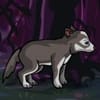
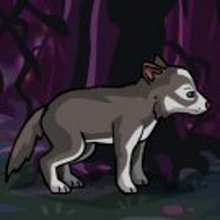
Look after the Wolf feels like the kind of game that quietly pulls you in before you even notice what happened. One second you are just curious, maybe expecting a simple animal game, and the next you are fully invested in the well-being of one scruffy little wolf who clearly had a rough day and now somehow owns your attention. That is the magic of a good animal care game. It does not need explosions, giant maps, or chaos flying in from both sides of the screen. Sometimes all it needs is one adorable creature, a few care tools, and that weirdly powerful human instinct that says, no, wait, let me fix this.
On Kiz10, Look after the Wolf fits beautifully into that warm, satisfying space between pet care, light simulation, and cozy rescue gameplay. It is not really about pressure. It is not trying to make your pulse spike or your palms sweat. Instead, it gives you a small animal care mission and lets the pleasure come from each little improvement. Clean the fur. Treat the problem. Feed the wolf. Make everything feel safe again. That loop is simple, yes, but simple is not a weakness when it is done with enough charm.
And honestly, there is something instantly memorable about the idea itself. Not a puppy. Not a kitten. A wolf. That changes the mood. It still feels cute, but with a little more wild energy around the edges, a little more forest-story magic. The result is a care game that feels softer than a survival game, sweeter than a vet simulator, and much more personal than it first appears.
🧼 𝗗𝗶𝗿𝘁, 𝘁𝗶𝗻𝘆 𝗽𝗿𝗼𝗯𝗹𝗲𝗺𝘀, 𝗮𝗻𝗱 𝘁𝗵𝗲 𝘂𝗻𝗱𝗲𝗻𝗶𝗮𝗯𝗹𝗲 𝗷𝗼𝘆 𝗼𝗳 𝗳𝗶𝘅𝗶𝗻𝗴 𝘁𝗵𝗶𝗻𝗴𝘀
The core appeal of Look after the Wolf is that it understands how satisfying restoration can be. You start with a wolf that clearly needs help. Maybe the fur is messy, maybe there are little injuries, maybe the poor thing just looks like life has been rude lately. Then the game hands you a sequence of care actions and says, here, make it better.
That is a powerful little formula.
Animal care games work best when every step creates visible change, and this one almost certainly leans into exactly that feeling. You clean, rinse, brush, treat, and tidy until the difference becomes obvious. The wolf begins in distress or discomfort, and by the end of your session there is that rewarding transformation where everything looks calmer, healthier, brighter. It scratches the same pleasant part of the brain that loves order, progress, and tiny victories. The before-and-after effect matters a lot here, and it is probably the reason games like this become so easy to keep playing.
There is also a gentleness to the mechanics. Even when you are using tools or following steps, the overall mood stays friendly. It is not complicated in an exhausting way. It is more like a guided ritual. Observe the problem, choose the right action, help the animal, move to the next step. Nothing too dramatic, but somehow still deeply engaging. Maybe because every little action feels kind. That matters more than people admit.
And yes, there is always that tiny internal voice while playing these games. You know the one. “Okay, little wolf, we are going to fix this. Please cooperate. Please stop looking so sad. I am emotionally invested now.” 🥹
🌲 𝗡𝗼𝘁 𝗷𝘂𝘀𝘁 𝗰𝘂𝘁𝗲, 𝗯𝘂𝘁 𝗮 𝗯𝗶𝘁 𝗺𝗮𝗴𝗶𝗰𝗮𝗹 𝘁𝗼𝗼
What makes the concept feel stronger than a standard pet grooming game is the animal itself. Wolves carry atmosphere with them. Even when they are presented in a soft, friendly style, they still bring a bit of wilderness into the room. A regular pet care game says comfort. A wolf care game says comfort, but in a forest clearing with moonlight somewhere in the background and leaves rustling off-screen. That tiny shift gives the whole experience more personality.
Because of that, Look after the Wolf does not just feel like maintenance. It feels like rescue. Like trust-building. Like you are taking care of a creature that belongs to a bigger, more mysterious world, even if the gameplay itself stays casual and accessible. That emotional framing makes a difference. It turns routine actions into something warmer.
Feeding a wolf feels different from feeding a generic pet. Cleaning a wolf feels different too. There is a quiet fantasy in it, the fantasy of helping something wild without trying to make it less wild. You are not turning the creature into a toy. You are helping it recover, rest, and look strong again. That idea gives the game a cozy but slightly adventurous flavor that is honestly pretty lovely.
🎮 𝗧𝗵𝗲 𝗰𝗼𝗺𝗳𝗼𝗿𝘁 𝗼𝗳 𝗰𝗹𝗶𝗰𝗸, 𝗵𝗲𝗹𝗽, 𝘀𝗺𝗶𝗹𝗲, 𝗿𝗲𝗽𝗲𝗮𝘁
Games like this live or die by rhythm. If the rhythm is annoying, the whole thing feels like a chore. If the rhythm is smooth, the game becomes strangely relaxing. Look after the Wolf seems built for that second category. The likely structure is easy to enjoy: one issue at a time, one tool at a time, one visible improvement after another. There is no need to rush. No need to overthink it. Just keep helping.
That is probably why this type of game works so well for quick play sessions. You can jump in, do something satisfying almost immediately, and leave feeling like you completed a tiny good deed in digital form. It is a nice change of pace from louder genres. No endless enemy waves. No impossible timer exploding in the corner. Just care, attention, and a fluffy patient with strong forest energy.
And let us be fair, that kind of game has real value. Not every session needs chaos. Sometimes you want a game that gives you a clear purpose and rewards tenderness instead of aggression. Look after the Wolf likely does exactly that. It offers structure without stress, interactivity without noise, and a sense of progress that stays visible from beginning to end.
🐾 𝗪𝗵𝘆 𝘁𝗵𝗶𝘀 𝗸𝗶𝗻𝗱 𝗼𝗳 𝗮𝗻𝗶𝗺𝗮𝗹 𝗴𝗮𝗺𝗲 𝘀𝘁𝗶𝗰𝗸𝘀
There is a reason animal rescue and pet care games remain popular. They give players a direct emotional reward. You help, and the game reflects that help immediately. The creature looks better. Acts happier. Feels safer. That emotional loop is incredibly effective, and Look after the Wolf has the added advantage of standing out from more common cat-and-dog formats.
The wolf theme makes it feel a touch more memorable, a touch more atmospheric, and a lot more likely to catch attention from players who want something cute but not overly ordinary. It keeps the sweetness, but adds identity. It becomes less “just another salon game” and more “a cozy wild animal rescue experience.” That is stronger. More vivid. Easier to remember later.
This also makes the game work well for younger players and casual players who enjoy animal games, grooming games, and simulation titles with soft pacing. It is approachable. Intuitive. Visually easy to understand. But it still has enough personality to avoid blending into the background.
✨ 𝗔 𝘀𝗼𝗳𝘁 𝗹𝗶𝘁𝘁𝗹𝗲 𝗮𝗱𝘃𝗲𝗻𝘁𝘂𝗿𝗲 𝗼𝗻 𝗞𝗶𝘇𝟭𝟬
On Kiz10, Look after the Wolf feels like the kind of game you open for a calm five minutes and then end up finishing because the loop is pleasant and the wolf is simply too charming to abandon halfway through a bath. That is the truth of it. The game does not need to be huge to be effective. It only needs a clear idea, a lovable creature, and a satisfying care routine that makes every step feel worthwhile.
If you enjoy animal care games, pet rescue games, grooming games, and light simulation experiences, this one has an easy appeal. It is soft without being boring, adorable without becoming empty, and themed just well enough to leave an impression. The wolf gives it identity. The rescue routine gives it structure. The care mechanics give it heart.
By the end, what stays with you is not difficulty or drama. It is the feeling of having taken something fragile and messy and helped it become happy again. That is a very human kind of reward, and games like this know exactly how to use it. Look after the Wolf turns that feeling into a cozy little play session on Kiz10, full of gentle clicks, small transformations, and one unforgettable furry patient who absolutely deserved better and, thanks to you, finally got it. 🐺💚





 Share
Share
 Embed
Embed