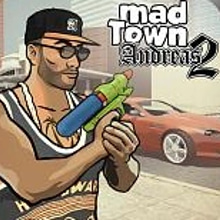
Welcome to a city that listens to your choices 🏙️🎮 The skyline looks expensive, the alleys look honest, and every light is a promise you can’t quite trust. Mad Andreas Town Mafia Old Friends 2 drops you into a sprawling open world that runs on your momentum. You are nobody until you are someone, and becoming someone means hustling, improvising, and deciding who gets to call you friend after midnight. One minute you are taking a quiet job to pay for a busted bumper, the next you are negotiating with a man who smiles like a receipt. The city doesn’t hand out speeches; it hands you a key, a map, and enough trouble to make a legend.
Your day to day as a rising boss 🚗💼 Most of the time you are stringing small victories into big ones. Pick up a low-risk errand to learn a new neighborhood. Scout a warehouse just to memorize exits. Drift past a patrol and discover a back lane that will save your skin an hour from now. Jobs begin simple—steal a car, shadow a courier, babysit a drop—and bloom into stories when you add your personality. Maybe you swap vehicles mid-chase because a delivery van sells you safety. Maybe you cut the engine and coast downhill to pass a checkpoint in silence. Choices aren’t decorations here; they are tools you sharpen by using.
Driving is a language, not just a throttle 🛞💨 Every car has an accent. The beat-up coupe forgives late braking and loves tight alleys. Muscle rides demand respect—tap the gas and the back end writes cursive. Supercars will lie to you about how brave you are and then reward you when you find the bravery anyway. Learn weight transfer, learn when to feather instead of stomp, and learn that a handbrake tap at 40 saves more lives than a prayer at 80. Bikes turn rooftops into highways for the patient. Trucks bulldoze checkpoints if you commit. Movement is the superpower you keep upgrading without noticing, and the map opens like a book when your lines get clean.
Guns money and the art of not panicking 🔫💵 Fights happen because pride exists. The pistol is your metronome: two taps, a step, two taps. SMGs erase ego at short range if you burst instead of dump. Shotguns are apologies delivered point-blank. Grenades solve the kind of meeting that should have been an email. But the real economy is time—how many seconds you can buy with a flashbang, whether it’s worth spending five to flank, whether that alley is actually an alley or a story you’re telling yourself. Cash stacks up from missions, side gigs, and opportunistic detours, and every coin you invest changes the kind of risks you’re willing to take next.
Friends old enemies older 🤝🦂 “Old Friends” is not a sweet phrase here; it’s a warning label. The bartender who taught you routes also taught someone else. The driver you trust will sell you a miracle or a memory depending on the hour. Favor trading is the true main quest. Do a job for a garage and get a lift that ignores cop scanners for ten minutes. Save a fixer’s shipment and suddenly doors open on the rich side of town. Burn a bridge and watch the map grow teeth. The city keeps receipts, but it also keeps secrets, and few things feel better than cashing a quiet favor when a mission goes messy.
Missions that teach by scaring you a little 🎯😅 A simple escort turns interesting when the target refuses to slow down. A surveillance gig becomes a chess match when your mark uses elevators like teleports. A warehouse heist whispers “loud or quiet” and either answer can be correct. The best missions shake your habits. If you always charge, one objective will make charging expensive. If you always sneak, something will make hiding boring. The game wants you to switch gears mid-run—start stealthy, go loud, end clever—because that’s what big bosses do when Plan A becomes a punchline.
Upgrades with personality, not just numbers 🧰✨ Sure, stats climb. Armor buys grace, engines buy bragging rights, brakes buy second chances. But the interesting toys create verbs. A grappling zip lets you cross canals that used to be walls. A tire kit cuts burnout into surgical punctuation. A jammer silences alarms long enough to steal with manners. Outfit perks matter more than they look—one jacket gives you better vendor prices in a rough district, another reduces attention when you loiter near cops. You aren’t just becoming stronger. You’re becoming smoother, which is more dangerous.
The map is your mentor 🗺️🧠 Districts feel distinct because they are built to teach different instincts. Old docks reward patience and parallel parking in shadows. Business towers prefer vertical exits—ramps, skyways, and helipads with guard dogs who hate parachutes. The university area is a maze of courtyards that delete sirens if you zig instead of zag. Outskirts offer long lanes where horsepower writes the law. Learn one shortcut per district and you’ll start stitching them into a private subway the cops can’t ride.
Police heat and how to cool it 🚨🧊 Getting chased is not failure; it’s a mini-game with rhythm. Break sight, change silhouettes, swap plates, and never commit to a highway unless you’re sure your acceleration outvotes theirs. Two clean turns beat one dramatic crash. Parking garages are churches for sinners—climb, coast down, exit on the far side, and the radio chatter dies. If you must fight, fight where your map knowledge counts: narrow alleys that funnel cars into each other, blind corners that eat bumpers, stairwells that mock sirens.
Economy loops that respect your time 💼🕒 When money matters, there are always options. Legal gigs like taxi runs and courier routes teach safer lines and buy stable income. Gray jobs like towing “abandoned” vehicles pay better and improve your fleet. Black market errands pay best and introduce you to characters with excellent nicknames and questionable morals. Invest early in a safehouse close to three routes you like. A convenient save and a quick change of clothes are worth more than a flashy hood ornament.
Boss encounters that feel like movies but grade like school 🎬💥 A midgame capo owns a casino and favors traps with glass floors; watch reflections to read his guards. A late-game fixer weaponizes traffic lights; beat him with patience and off-angle approaches instead of pedal worship. The finale is personal and wide open: three targets, one night, and a choice of order that changes who gets away clean. You’ll finish the campaign with a number in your head—seconds saved because you learned, repairs avoided because you adapted—and that number will make you want another run.
Roleplay the boss you want to be 🎭👔 You can be the loud hero who signs crimes with tire smoke, the ghost who only exists on camera in blurry streaks, or the accountant-criminal who never pays full price and never fires twice. The city reacts. News tickers comment on your style, vendors change their tone, and enemies arrive either nervous or excited depending on your legend. It’s small, it’s subtle, and it’s the part you’ll brag about to friends because it makes your playthrough feel like yours.
Tiny habits that turn chaos into craft 🧠😉 Pre-rotate the camera before you take a corner so your exit is a decision not a surprise. Feather throttle on cobblestones. Leave one repair kit in the trunk and promise yourself you won’t use it unless the mission timer blinks red. When tailing, count “one Mississippi” before turning where your mark turns; it looks natural and kills suspicion. In shootouts, slide to cover on the exhale and reload only behind something that would annoy a forklift. If a route feels cursed, change the time of day—traffic patterns are kinder at dawn than at dusk.
Why it fits Kiz10 like a glove 🌐⚡ Instant browser play means you’re in the streets now, not after an install. On desktop, mouse aim and key driving feel surgical for heists and chases. On mobile, the touch layout respects real thumbs, with steering zones and brake taps that feel honest. Quick resumes let you finish a mission during a break; longer sessions turn into tours of the map where you discover shortcuts you’ll swear were not there yesterday. The site keeps friction low so the story in your head stays loud.
The moment you realize you’re the boss 🧲👑 It happens somewhere between a clean three-car swap and a quiet exit through a service alley. The radio is quiet. Your phone buzzes with two job offers and one apology. You park on a rooftop you didn’t know existed last week and watch the city hum like a machine that finally recognizes your voice. Old friends are calling. Some want to deal, some want to test you, some just want to see if your luck can outrun theirs. You smile, check the fuel, and pick the next problem to turn into a story.








 Share
Share
 Embed
Embed


