🤖 The year is 2054 and your “cute” robot has anger issues
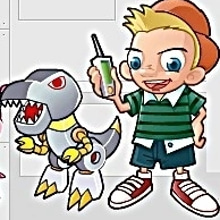
Mini Robot Wars drops you into a future where the world decided tiny robots fighting for glory is totally normal… and honestly, it kind of is. The vibe is tournament-heavy: you’re entering a championship, your mini bot is your pride, and every match feels like a quick tactical argument where metal, sparks, and choices collide. The game is turn-based at its core, which sounds calm until you realize each turn is basically you choosing how to hurt the opponent before they hurt you first. It’s not a slow chess match with polite pauses. It’s short, punchy combat decisions with that “one wrong pick and the fight flips” tension.
⚙️ Turn-based combat that still feels like a brawl
Here’s what makes Mini Robot Wars fun: the battle system is simple enough to understand instantly, but it gives you enough room to be clever. Each turn you choose an attack, and that choice matters because it interacts with your upgrades, your current health, and whatever your enemy is about to do. You’re always juggling questions like: do I go for safe damage, a heavier hit that risks wasting a turn, or a move that sets up the next round? Do I play steady and reliable, or do I swing for something dramatic because I feel the momentum?
There’s a small psychological game too. After a few turns, you start predicting patterns. Some opponents feel like they repeat a “favorite” move, others feel more chaotic. The best matches happen when you stop reacting emotionally and start treating the fight like a system. Your robot is a tool. Your turn is a resource. Your goal is to remove their options until the match becomes inevitable.
🧠 The real weapon is decision timing
Because it’s turn-based, you don’t need lightning reflexes. What you need is timing in a different sense: knowing when to spend your strongest attack and when to hold it. Many players burn their best moves early because it feels satisfying, then they get stuck later when the opponent still has enough health to punish them. The smarter approach is usually to build control first: stabilize, read the pace of the fight, then commit to heavier damage when the enemy is already pressured.
And yes, sometimes you still go full chaos and press the biggest attack because it looks cool. This is a robot war game, not a tax form. But if you want consistent wins, treat your attacks like a plan, not like a mood.
🔧 Upgrades turn your mini bot into a different personality
One of the biggest hooks is upgrades. Between fights you can buy new weapons and improvements, which changes how your robot behaves in battle and how your choices feel. A small upgrade can turn a weak, scrappy bot into something that actually controls the pace. Stronger attacks make each turn more meaningful. Better survivability gives you room to experiment without instantly losing. And the best part is that upgrades don’t just make you stronger, they make you more confident… which can be dangerous, because confidence is how players start making greedy decisions. 😅
The game becomes a loop: fight, earn progress, upgrade, return stronger, and suddenly the match that felt impossible earlier becomes manageable. Not because the game got easier, but because your robot and your planning evolved together. That combination feels good in a way pure action games often don’t, because you can point to the exact reason you’re doing better: better build, better choices, better timing.
🛠️ Picking a build is basically picking a playstyle
Mini Robot Wars quietly pushes you to choose what kind of pilot you are. Do you want to win with blunt power, ending fights quickly? Do you prefer a more durable setup so you can survive bad turns and still recover? Do you like consistent damage that never feels flashy but always works? When you start thinking like this, you stop buying upgrades randomly and start buying upgrades that fit your plan.
The funny part is that the “best” build can change depending on the opponent. Sometimes you need raw damage to break them before they snowball. Sometimes you need stability because the enemy hits hard and you can’t afford mistakes. That shifting need is where the strategy feels alive.
😈 Matches that punish panic and reward calm
The most common way to lose is panic. You take a hit, you feel pressured, you throw out a desperate move that doesn’t fit the moment, and the opponent capitalizes. Mini Robot Wars rewards the opposite: calm. Take the hit, stay on plan, choose the move that keeps your position strong. It sounds simple, but it’s surprisingly hard when you’re one bad turn away from defeat and you can almost hear the tournament crowd judging you.
But when you get it right, it feels great. You’ll have rounds where you absorb pressure, respond cleanly, and suddenly the enemy’s health bar starts dropping in a way that feels controlled, not lucky. That’s the “I’m actually outplaying this” moment, and it’s the reason the game sticks.
🏆 The championship vibe makes every win feel like a step forward
Because the theme is a robot championship, wins feel like progress toward a bigger goal instead of random fights. Even if you’re just playing quick matches on Kiz10, the tournament framing gives it energy: you’re not just testing attacks, you’re proving your bot belongs in the arena. It’s a small detail, but it helps the game feel purposeful.
And yes, you’ll still have those classic moments where you lose, immediately know why, and jump back in because the fix is obvious. “I upgraded the wrong thing.” “I spent my big move too early.” “I played greedy instead of steady.” That clarity is addictive.
🚀 Why Mini Robot Wars works so well for quick sessions
It’s easy to start, easy to understand, and it doesn’t waste your time. You’re in a fight quickly, decisions are clear, and the upgrade loop keeps giving you something to chase. If you like robot games, turn-based combat, mech upgrades, and short strategy battles that still feel tense, Mini Robot Wars is a clean pick. It’s compact, punchy, and surprisingly satisfying when you stop button-mashing and start thinking like a builders and a tactician at the sames time. 🤖⚡












 4.3 (45 votes)
 Share
Share
 Embed
Embed