🥷 𝗪𝗵𝗲𝗻 𝘁𝗵𝗲 𝗳𝗶𝗿𝘀𝘁 𝗻𝗶𝗻𝗷𝗮 𝗿𝘂𝘀𝗵𝗲𝘀 𝘆𝗼𝘂, 𝘁𝗵𝗲 𝗴𝗮𝗺𝗲 𝘀𝘁𝗼𝗽𝘀 𝗯𝗲𝗶𝗻𝗴 𝗽𝗼𝗹𝗶𝘁𝗲
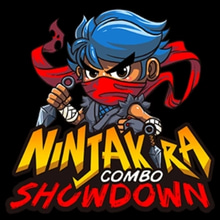
Ninjakira Combo Showdown does not arrive gently. It kicks the door open, throws a full crowd of enemy ninjas in your direction, and basically asks one rude question from the start: can you survive when the screen stops respecting your personal space? That is the whole pulse of the game. It is a ninja fighting game built around pressure, combo attacks, and the constant thrill of staying alive while everything around you tries very hard to make that impossible. Kiz10 describes it very clearly: survive the mighty hordes of ninjas blocking your path, perform as many combos as possible, complete all missions, and become the best ninja in the universe. That setup alone already tells you exactly what kind of energy this game wants. Fast. Aggressive. A little chaotic. Very satisfying.
What makes that premise work so well is how direct it feels. There is no mystery about the objective. No soft opening. No long explanation trying to convince you that danger exists. Danger is already in your face. Your path is blocked, the enemy keeps coming, and your only real answer is skill. Not luck. Not hiding. Not waiting for the problem to get bored and leave. Skill. Clean attacks, fast reactions, and combos strong enough to turn the whole battlefield into your personal argument with gravity.
⚔️ 𝗖𝗼𝗺𝗯𝗼𝘀 𝗮𝗿𝗲 𝗻𝗼𝘁 𝗷𝘂𝘀𝘁 𝘀𝘁𝘆𝗹𝗲 𝗵𝗲𝗿𝗲, 𝘁𝗵𝗲𝘆 𝗮𝗿𝗲 𝘀𝘂𝗿𝘃𝗶𝘃𝗮𝗹
The word combo in the title is doing a lot of work, and honestly, it should. Combo-based combat always changes the emotional rhythm of a fighting game. A normal attack says you are responding. A combo says you are taking control. That difference matters. In Ninjakira Combo Showdown, the goal is not merely to hit enemies one by one like you are checking names off a list. The goal is to chain movement and strikes together so smoothly that the whole battle starts bending around your tempo. Kiz10 highlights doing as many combos as possible as one of the main objectives, which means the game clearly wants players to think beyond simple survival and chase a more stylish, skill-driven rhythm.
That is where the fun becomes addictive. Combos create momentum, and momentum creates confidence. You land one clean sequence and suddenly your brain starts whispering dangerous things. Yes. This is it. I understand the flow now. I am unstoppable. Then three more ninjas appear from the side and your confidence gets punched directly into the floor. Beautiful. That emotional swing is exactly what makes arcade fighting games memorable. They let you feel powerful, but never too comfortable.
And because the enemies come in hordes, combos stop being optional flair and start feeling like the correct language of survival. One clean strike is fine. A chain of clean strikes is better. The difference between barely staying alive and controlling the entire screen often comes down to how well you can keep that offensive rhythm going while under pressure.
🔥 𝗛𝗼𝗿𝗱𝗲 𝗳𝗶𝗴𝗵𝘁𝘀 𝗮𝗹𝘄𝗮𝘆𝘀 𝗺𝗮𝗸𝗲 𝗲𝘃𝗲𝗿𝘆 𝘀𝗲𝗰𝗼𝗻𝗱 𝗳𝗲𝗲𝗹 𝗹𝗼𝘂𝗱𝗲𝗿
Kiz10’s description specifically says you must survive mighty hordes of ninjas blocking your path, and that detail is the real engine behind the game’s tension. A single enemy can be measured. A horde feels like a weather event. It changes the screen from a simple duel into a moving problem with too many hands, too many angles, and absolutely no patience for your hesitation.
That is why Ninjakira Combo Showdown likely feels more intense than a slower, one-on-one ninja fighter. You are not just learning when to attack. You are learning how to maintain control in the middle of crowd pressure. That is a different skill entirely. Suddenly spacing matters more. Timing matters more. Clean chains matter more. Panic becomes the true final boss.
And yes, panic will absolutely show up. Every player starts one of these games thinking they are going to look precise and deadly, like some silent warrior moving through enemies with impossible grace. Then the first real pileup happens and the inner monologue changes instantly. Okay. Fine. Slight issue. Still under control. Why are there more of them. No, no, that combo almost worked. Start over. One more try. This time with honor. Probably.
That cycle is a huge part of the charm. Hordes make the action messier, but they also make improvement more visible. When you finally learn how to read the crowd and keep your combo pressure alive, the difference is obvious. You do not just survive longer. You feel sharper.
🎮 𝗠𝗶𝘀𝘀𝗶𝗼𝗻𝘀 𝗺𝗮𝗸𝗲 𝘁𝗵𝗲 𝗰𝗵𝗮𝗼𝘀 𝗳𝗲𝗲𝗹 𝗺𝗼𝗿𝗲 𝗺𝗲𝗮𝗻𝗶𝗻𝗴𝗳𝘂𝗹
Another smart part of the official setup is the mention of missions. Kiz10 does not frame the game as a pure endless fight with no structure. It asks you to earn all missions as part of becoming the best ninja in the universe. That matters because missions give shape to repetition. Instead of fighting only for the sake of lasting a few more seconds, you are fighting with goals attached. That always helps an action game stay sticky.
Missions are important in games like this because they turn raw combat into progression. They give players reasons to improve beyond simple pride, even though pride is absolutely part of the experience too. Maybe one run teaches you the rhythm. Another gets you closer to a mission target. Another becomes the run where everything suddenly clicks and you look much better than you did five minutes earlier. That steady sense of accomplishment makes the game more satisfying than a basic survival brawler.
It also adds a nice layer of replay value. Combo-based fighting already encourages retries because skill can always improve. Add missions, and now the game can keep pulling you back with clear objectives. One more challenge. One more attempt. One more chance to prove you are not just surviving but actually mastering the battlefield.
🌪️ 𝗡𝗶𝗻𝗷𝗮 𝗴𝗮𝗺𝗲𝘀 𝘄𝗼𝗿𝗸 𝗯𝗲𝘀𝘁 𝘄𝗵𝗲𝗻 𝘁𝗵𝗲𝘆 𝗳𝗲𝗲𝗹 𝗳𝗮𝘀𝘁 𝗲𝘃𝗲𝗻 𝘄𝗵𝗲𝗻 𝘆𝗼𝘂 𝗮𝗿𝗲 𝘀𝘁𝗮𝗻𝗱𝗶𝗻𝗴 𝘀𝘁𝗶𝗹𝗹
There is something special about ninja-themed action games. They are not just supposed to be violent. They are supposed to feel sharp. Quick. Efficient. Like every move matters a little more than usual. Ninjakira Combo Showdown seems built around exactly that expectation. The concept of fighting off ninja hordes through combos already carries a strong pace, and that pace is probably what makes the game land so well on Kiz10.
A good ninja game should always create the illusion that you are one clean sequence away from brilliance. Even when the screen is getting crowded and your plans are collapsing, there should still be that little sense that the right movement, the right hit, the right combo chain could flip everything back in your favor. That is what keeps you engaged. Not certainty. Possibility.
And combos help with that because they make every run feel like a performance. Not in a showy, theatrical way exactly, but in that arcade sense where execution becomes identity. You stop thinking only about winning and start thinking about how you win. Cleaner. Faster. Meaner. Less embarrassing than the previous attempt. Ideally.
⚡ 𝗪𝗵𝘆 𝗶𝘁 𝗳𝗶𝘁𝘀 𝘀𝗼 𝘄𝗲𝗹𝗹 𝗼𝗻 𝗞𝗶𝘇𝟭𝟬
Kiz10 lists Ninjakira Combo Showdown as an action game and tags it with ninja and fighting categories, which makes perfect sense because the entire appeal sits right at that intersection. It is direct enough for quick browser sessions but skill-based enough to hold attention past the first few minutes. That combination is always valuable. You can jump in immediately, understand what the game wants, and then spend your time improving instead of decoding nonsense.
If you enjoy ninja games, fighting games, combo-heavy action, and arcade survival under pressure, this one makes immediate sense. The official promise is simple and strong: survive the horde, chain combos, complete missions, become the best. There is no wasted setup there. The fantasy arrives intact.
In the end, Ninjakira Combo Showdown works because it knows what kind of action game it wants to be. It is not trying to become a giant epic. It is trying to be sharp, fast, crowded, and rewarding. It wants your reactions, your rhythm, and your stubbornness. On Kiz10, that makes it feel like a compact little storm of ninja combat, one where every combo matters, every horde tests your nerve, and every retry carries that delicious belief that the next run might finally look as cool as it felt in your head.















 Share
Share
 Embed
Embed


