𝗦𝗼𝗺𝗲 𝗴𝗮𝗺𝗲𝘀 𝗹𝗼𝗼𝗸 𝘀𝗺𝗮𝗹𝗹 𝘂𝗻𝘁𝗶𝗹 𝘁𝗵𝗲𝘆 𝗲𝗮𝘁 𝘆𝗼𝘂𝗿 𝗮𝘁𝘁𝗲𝗻𝘁𝗶𝗼𝗻 🔢
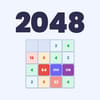
Reach 2048 is one of those puzzle games that seems almost harmless when you first open it. A clean grid. A couple of little numbers. Some arrow keys. No loud spectacle, no dramatic backstory, no overdesigned nonsense trying to impress you. Just tiles. Just math. Just one elegant challenge sitting there like it has all the time in the world. And then, quietly, it takes over your brain.
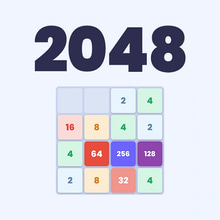
That is the real charm of a good 2048-style number puzzle. It does not need to shout. It only needs to give you one good idea and let that idea tighten its grip with every move. Slide the board. Merge matching tiles. Build larger values. Try not to trap yourself. Chase the 2048 tile. Then, naturally, once you get close, your brain starts whispering something dangerous like, “What if I go beyond that?” That is how a quick puzzle becomes a session.
On Kiz10, Reach 2048 fits beautifully because it understands how strong simplicity can be when the decisions actually matter. There are no fake distractions here. The tension comes entirely from the grid and the consequences of what you do to it.
𝗧𝗵𝗲 𝗿𝘂𝗹𝗲𝘀 𝗮𝗿𝗲 𝗲𝗮𝘀𝘆. 𝗧𝗵𝗮𝘁 𝗶𝘀 𝘄𝗵𝗮𝘁 𝗺𝗮𝗸𝗲𝘀 𝘁𝗵𝗲 𝗽𝘂𝘇𝘇𝗹𝗲 𝘀𝗼 𝗴𝗼𝗼𝗱 🧠
The entire game is built on one mechanic: slide all tiles in one direction. If two tiles with the same value collide, they merge into a single tile with double the number. That is it. No giant ruleset, no inventory, no weird exceptions that make the game feel like it is trying too hard to be clever. Reach 2048 knows the strength of a simple system and leans on it completely.
That simplicity creates a very clean kind of pressure. Every move affects everything on the board. You are never just moving one piece. You are shifting the entire structure. That means each choice has weight. One swipe can open the board beautifully, setting up future merges like a little work of art. Another can clog a clean lane with junk and make you regret your own hand. The game never needs to punish you artificially because the grid already does a great job of remembering your mistakes.
This is why the puzzle stays so compelling. You are constantly balancing short-term gains against long-term survival. A merge feels good now, sure, but what does it do to the rest of the board? Did it free space or create clutter? Did it help your strongest corner stay stable, or did it scatter valuable numbers into awkward positions? That kind of tension is where Reach 2048 quietly becomes excellent.
𝗘𝘃𝗲𝗿𝘆 𝗴𝗼𝗼𝗱 𝗿𝘂𝗻 𝘀𝘁𝗮𝗿𝘁𝘀 𝘁𝗼 𝗳𝗲𝗲𝗹 𝗹𝗶𝗸𝗲 𝗮 𝗽𝗹𝗮𝗻, 𝗲𝘃𝗲𝗻 𝗶𝗳 𝗶𝘁 𝗮𝗯𝘀𝗼𝗹𝘂𝘁𝗲𝗹𝘆 𝘄𝗮𝘀𝗻’𝘁 📐
One of the most satisfying things about Reach 2048 is how it creates the illusion of control and then slowly asks you to earn it for real. Early on, the board feels generous. You merge a few 2s into 4s, 4s into 8s, and everything still looks manageable. The grid has breathing room. Your confidence grows. Maybe too much. Then the board tightens. Numbers begin stacking in places that seemed fine a minute ago. One bad slide introduces a tile exactly where you did not want it, and now suddenly the puzzle feels personal.
That shift is where the game becomes addictive. It starts asking for foresight. Not genius, just discipline. You begin to understand that Reach 2048 is not really about the individual merge. It is about board management. Keeping a structure alive. Protecting useful lanes. Preserving your biggest tile in a stable position. Avoiding random moves just because they look active. The game teaches patience in a very quiet, very merciless way.
And the funny part is that when things are going well, it feels effortless. You start believing you have cracked it. The numbers flow. The merges line up. The board stays tidy. You feel like some kind of number monk. Then one careless swipe ruins the balance and you spend the next ten turns trying to repair damage that came from one tiny moment of arrogance. Perfect.
𝗧𝗵𝗶𝘀 𝗶𝘀 𝗻𝗼𝘁 𝗮 𝘀𝗽𝗲𝗲𝗱 𝗴𝗮𝗺𝗲. 𝗜𝘁 𝗼𝗻𝗹𝘆 𝗽𝘂𝗻𝗶𝘀𝗵𝗲𝘀 𝘆𝗼𝘂 𝗹𝗶𝗸𝗲 𝗼𝗻𝗲 ⏳
A lot of players make the same mistake when they first settle into 2048-style puzzle games: they move too quickly. Reach 2048 looks so clean and simple that it invites casual swiping. That is usually how a promising board dies. The game rewards thought, not panic. You do not need fast hands. You need a calm one. Sometimes the best move is the one that seems less exciting right now because it keeps your future safe.
That makes the puzzle feel more strategic than people expect. You are not simply chasing merges wherever they appear. You are building structure. Protecting corners. Creating controlled movement. Leaving yourself options. The board becomes less like a pile of tiles and more like a space you are trying to keep orderly under growing pressure.
And that pressure grows naturally. As the grid fills, every empty cell becomes precious. Space is the real currency of the game. Not points. Not even the 2048 tile itself, at least not at first. Space. If you protect space, the merges can keep happening. If you waste it, the game starts closing around you with a kind of quiet cruelty that is honestly impressive.
𝗧𝗵𝗲 𝗯𝗲𝘀𝘁 𝗽𝘂𝘇𝘇𝗹𝗲𝘀 𝗺𝗮𝗸𝗲 𝘆𝗼𝘂 𝘄𝗮𝗻𝘁 𝘁𝗼 𝗯𝗲𝗮𝘁 𝘆𝗼𝘂𝗿𝘀𝗲𝗹𝗳 🏆
Reach 2048 is built around a very specific kind of replay loop. You lose, and the first thought is almost never “I am done.” It is usually something like, “No, no, I can fix that next time.” Maybe you pushed the board upward one too many times. Maybe you broke your own corner strategy. Maybe you chased a merge that looked tempting and destabilized the whole run. Whatever the reason, it always feels close enough to correct. That is the hook.
The game turns your previous best result into a quiet rival. If you made 512 last time, 1024 starts calling to you. If you reached 2048 once, going beyond it stops feeling impossible and starts feeling like unfinished business. The puzzle is always simple, but your relationship with it keeps changing because your expectations keep rising. That is a sign of strong design. The game does not need to add complexity to stay interesting. Your own ambition does the work.
That is why it fits both short breaks and longer sessions. You can play one quick run while waiting for something. Or you can end up sinking serious time into the grid because this board, this exact board, feels like the one that might finally hold together all the way.
𝗧𝗵𝗲 𝗴𝗿𝗶𝗱 𝗳𝗲𝗲𝗹𝘀 𝗾𝘂𝗶𝗲𝘁, 𝗯𝘂𝘁 𝗶𝘁 𝗶𝘀 𝗻𝗲𝘃𝗲𝗿 𝗳𝗿𝗶𝗲𝗻𝗱𝗹𝘆 😌
One reason Reach 2048 stays memorable is the mood it creates through restraint. There is no chaos on the screen. No need for endless effects. The grid stays calm, and that calmness makes every mistake feel louder. You cannot hide inside noise. If the board becomes messy, it is because you made it messy. If the structure holds beautifully, that feels earned too.
That clarity is also what makes the game so approachable. New players can understand it within seconds. More experienced puzzle fans can start thinking about optimization, corner strategies, long merge chains, and higher-score runs almost immediately. The barrier to entry is tiny, but the skill ceiling keeps moving the more attention you give it.
That is a lovely combination for a browser puzzle game. Easy to start. Hard to master. Harder still to leave alone once the numbers begin lining up just right.
𝗪𝗵𝘆 𝗥𝗲𝗮𝗰𝗵 𝟮𝟬𝟰𝟴 𝘄𝗼𝗿𝗸𝘀 𝘀𝗼 𝘄𝗲𝗹𝗹 𝗼𝗻 𝗞𝗶𝘇𝟭𝟬 ✨
On kiz10.com, Reach 2048 is a perfect fit for players who enjoy number puzzles, logic games, score-chasing challenges, and simple mechanics that create real strategic depth. It is not flashy in a desperate way. It does not need to be. The strength is in the board itself and in how much thought the board can demand from such a small set of rules.
If you like brain games where planning matters, where mistakes linger, and where every run teaches you something about patience and positioning, this one delivers exactly that. It is the kind of puzzle game that feels relaxing right up until it suddenly is not, and then you realize you are fully invested in the fate of a single crowded corner.
Reach 2048 turns tiny numbers into tension, order into strategy, and one empty cell into the most precious thing on the screen. Merge carefully, think ahead, and try not to ruin a perfect board with one reckless swipe. Easier said than done.



 2.5 (154 votes)
 Share
Share
 Embed
Embed