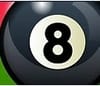
𝐓𝐡𝐞 𝐭𝐚𝐛𝐥𝐞 𝐥𝐨𝐨𝐤𝐬 𝐜𝐚𝐥𝐦 𝐮𝐧𝐭𝐢𝐥 𝐲𝐨𝐮 𝐦𝐢𝐬𝐬 🎱
Real Pool is one of those games that seems polite at first. A green table. Clean lines. A cue. A set of balls waiting patiently for somebody to prove they know what they are doing. Very civilized. Very controlled. Then the match starts, one shot goes slightly wrong, and suddenly this quiet sports game turns into a private crisis about geometry, pride, and the emotional damage caused by scratching at the worst possible moment. That is the charm of pool games, really. They look relaxed from the outside, but underneath all that smooth silence there is pressure everywhere.
On Kiz10, Real Pool is presented as an online billiards game where you can play with friends, compete against players from around the world, and sharpen your skills in practice mode. That setup gives the game a very natural appeal for anyone who likes cue sports with a competitive edge.
And honestly, that combination works beautifully. Pool is one of those games where every move carries more weight than it first appears to. A beginner sees one shot. A better player sees the next two. A confident player sees a possible run, a trap, a safety angle, and the exact stupid mistake that could ruin all of it. Real Pool taps into that feeling. It turns a simple table into a space where patience matters, control matters, and a single well-placed shot can make you feel absurdly elegant for a few seconds.
That elegance is part of the fantasy. Pool is not usually loud. It is tense in a quieter way. You line up the cue, judge the angle, adjust the force, and let the physics decide whether your confidence was justified or completely unserious. When it works, it feels smooth. Not lucky. Smooth. And that is exactly the sort of satisfaction that keeps players coming back.
𝐀𝐧𝐠𝐥𝐞𝐬, 𝐬𝐩𝐢𝐧, 𝐚𝐧𝐝 𝐭𝐡𝐚𝐭 𝐬𝐡𝐨𝐭 𝐲𝐨𝐮 𝐬𝐰𝐞𝐚𝐫 𝐰𝐚𝐬 𝐫𝐢𝐠𝐡𝐭 🧠
What makes Real Pool enjoyable is not just pocketing balls. Plenty of games let you hit things into holes. The real fun comes from control. Good pool games always live in that space between precision and nerve. You are never just hitting the current target. You are trying to control what happens after the hit. Where does the cue ball go next. What angle stays open. What risk are you leaving on the table. That extra layer is what gives billiards its staying power.
A game like Real Pool becomes satisfying because it rewards players for thinking ahead without making the table feel stiff or overly technical. You can jump in and enjoy the basic rhythm immediately. Aim, set power, shoot, react. But the more you settle into the flow, the more the table starts revealing its personality. Suddenly you care about positioning. Suddenly that easy-looking shot becomes dangerous because the cue ball might drift into a terrible place afterward. Suddenly you are not just playing pool. You are negotiating with physics while pretending to stay calm.
That is where the tension gets good.
Pool games do something clever to the human brain. They make tiny details feel enormous. One degree off in your aim can turn a beautiful plan into embarrassment. A little too much power can ruin shape. A little too little power can leave you stranded with an awkward next shot. Everything looks controlled, but every decision has consequences. Real Pool likely thrives in that narrow zone where confidence and caution have to work together or the table punishes you immediately.
And when the table does punish you, it does so in the most elegant way possible. No explosion. No big dramatic failure screen. Just a miss, a bad leave, maybe a scratch, and that awful sinking realization that you have handed momentum away with your own hands. Strange how one silent table can be so judgmental.
𝐏𝐥𝐚𝐲𝐢𝐧𝐠 𝐬𝐥𝐨𝐰 𝐝𝐨𝐞𝐬 𝐧𝐨𝐭 𝐦𝐞𝐚𝐧 𝐩𝐥𝐚𝐲𝐢𝐧𝐠 𝐞𝐚𝐬𝐲 😌
That is one of the best things about Real Pool. The pace is measured, but the difficulty lives in the details. This is not a frantic arcade race where everything happens at once. It is more focused than that. The pressure builds inside the decision. That is why billiards games can feel so intense even though almost nothing on screen is moving most of the time. The real action happens in the planning.
And because the rhythm is slower, every good shot feels more deliberate. That matters. In faster games, success can sometimes blur into reflex. Here, success feels chosen. You saw the line, judged the angle, committed to the stroke, and watched the table answer correctly. That kind of satisfaction is hard to fake. It is one of the reasons people who love pool games really love them. The reward is clean.
Real Pool also has an easy fantasy to step into. Everybody understands the appeal of mastering a table. It feels stylish. A little cool. A little old-school. A game of focus rather than noise. On Kiz10, that makes it a nice contrast to louder action titles. It offers competition without chaos, skill without overcomplication, and the kind of sports tension that grows quietly until the black ball suddenly becomes the center of the universe.
The original Kiz10 page also leans into that competitive mood by framing the experience around facing friends and opponents from around the world while practicing to become better. That reinforces the idea that Real Pool is not just about casual hits. It is about improving, challenging, and learning the table one shot at a time.
𝐖𝐡𝐞𝐫𝐞 𝐬𝐭𝐲𝐥𝐞 𝐚𝐧𝐝 𝐬𝐤𝐢𝐥𝐥 𝐦𝐞𝐞𝐭 𝐨𝐧 𝐟𝐞𝐥𝐭 ✨
There is also something undeniably attractive about billiards as a game theme. It is clean. It is visual. It is readable. You can glance at the table and immediately understand that order matters. The balls are not just targets. They are future problems, future opportunities, future disasters if you leave them badly. That makes every turn feel meaningful.
A strong pool game does not need to flood the player with extra features to stay interesting. The table itself provides enough drama. One open pocket can look like a gift or a trap depending on your angle. One cluster can delay your entire plan. One great shot can open the whole rack like a flower, and yes, that sounds more poetic than expected for billiards, but good pool really does have that effect. It turns cold geometry into something oddly beautiful when it goes right.
For players on Kiz10 who enjoy sports games, skill games, precision challenges, and one-on-one competition that rewards patience more than panic, Real Pool fits extremely well. It gives that satisfying sense of building control shot by shot. You do not need to rush. You need to think. Then execute. Then hope the table agrees with your optimism.
And when it does, the feeling is wonderful.
𝐓𝐡𝐞 𝐛𝐞𝐬𝐭 𝐬𝐡𝐨𝐭 𝐢𝐬 𝐮𝐬𝐮𝐚𝐥𝐥𝐲 𝐭𝐡𝐞 𝐨𝐧𝐞 𝐭𝐰𝐨 𝐬𝐡𝐨𝐭𝐬 𝐚𝐠𝐨 🎯
Real Pool works because billiards has never really needed extra noise to stay exciting. The pleasure is already there in the angle, the force, the cue-ball control, the tiny adjustments that separate a decent shot from a perfect one. On Kiz10, the game stands as a cue sports experience built around competition, practice, and clean shot-making.
That makes it a very easy recommendation for anyone who likes calm-looking games with surprisingly sharp tension underneath. Real Pool is not trying to overwhelm the player. It is trying to challenge them quietly. And that can be far more addictive. One match becomes two. One missed angle becomes a reason to try again. One good run makes you feel like you finally understand the table, right before the next game reminds you to stay humble.
That is the magic of it. Pool is a thinking game disguised as a gentle sport. Real Pool keeps that identity intact. It gives you the cue, the table, the problem, and just enough room to prove that your next shot really is the right one.
At least until the cue ball decides otherwise.



 4.4 (18 votes)
 Share
Share
 Embed
Embed