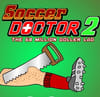
𝗦𝘅𝘁𝘆 𝗠𝗶𝗹𝗹𝗶𝗼𝗻 𝗗𝗼𝗹𝗹𝗮𝗿 𝗣𝗮𝗻𝗶𝗰 💸⚽
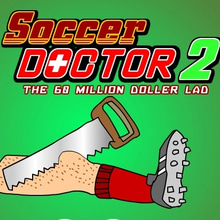
Soccer Doctor 2: The 60 Million Dollar Lad starts with a sentence that should never exist in real life: the star player is down, the match is chaos, and somehow you are the person holding the tools. Not the trained surgeon with perfect lighting and calm music. You. The game’s whole vibe is “urgent and ridiculous” at the same time, like a sports drama got shoved into a messy operating room and the door got locked behind you. On Kiz10, it plays as a fast, tool-based surgery game where the pressure isn’t only the blood and the broken bits, it’s the clock, the heartbeat, and the creeping feeling that every second you hesitate is a second the patient’s pulse drops lower.
The “60 million dollar” part isn’t just a title flex. It’s a mood. This patient isn’t a random NPC. This is the expensive, fragile, headline-making athlete the whole team is built around. And the game makes sure you feel that weight in the most stressful, cartoonish way possible: you’re fixing severe sports injuries with step-by-step actions, but you’re doing it under constant tension. Your job is simple to explain and brutal to execute: follow the procedure, use the correct tool, and don’t waste time doing “extra” clicks like you’re sightseeing in a disaster.
𝗪𝗲𝗹𝗰𝗼𝗺𝗲 𝘁𝗼 𝘁𝗵𝗲 𝗙𝗼𝗼𝘁𝗯𝗮𝗹𝗹 𝗢𝗥 🏥⚡
This game loves the classic doctor-game loop: identify the problem, clean the area, remove the nasty stuff, stitch or treat, then stabilize. But Soccer Doctor 2 adds that extra bite of urgency that makes it feel more like a survival challenge than a calm makeover sim. The injuries are exaggerated, sometimes grotesque, and always designed to make you react with some version of “oh come on.” You’ll be pulling foreign objects out of flesh, dealing with wounds that look like they happened in a cartoon war, and trying to keep the player alive long enough to reach the final steps that actually save them.
What’s weirdly addictive is how clear the cause-and-effect feels. Use the wrong tool or do things out of order and it’s immediate punishment: you lose time, you lose stability, and the situation gets worse. Do it right and the transformation is satisfying in a messy, relief-filled way. This isn’t a game where you win by being fast alone. You win by being fast and correct, which is a very different kind of pressure. Fast mistakes are still mistakes, and the patient’s heartbeat does not care about your confidence.
𝗧𝗼𝗼𝗹𝘀 𝗬𝗼𝘂 𝗪𝗶𝘀𝗵𝗲𝗱 𝗬𝗼𝘂 𝗡𝗲𝘃𝗲𝗿 𝗡𝗲𝗲𝗱𝗲𝗱 🧰😬
A big part of the fun is the tool choreography. In Soccer Doctor 2, you’re basically doing a guided procedure, but it never feels “sleepy.” You’re selecting instruments, applying them to specific spots, and completing short tasks that feel like little mini-missions. Clean this. Remove that. Stop the bleeding. Fix the damage. It sounds straightforward until you’re actually in the middle of it, because the game makes every step feel urgent.
You’ll notice how your brain starts building a rhythm. You begin to anticipate the next tool before the game even asks. You start hovering your cursor like you’re waiting for a starting whistle. The moment you recognize the pattern, the game becomes smoother and you feel like you’re in control. Then it throws a new injury at you, something more complicated, and you’re back to that tiny panic voice: okay, okay, what does it want from me now?
And because it’s a sports surgery theme, it often hits the nasty-but-funny zone. It’s not realistic medical training. It’s a high-stakes cartoon clinic where the objective is to survive the procedure and get the player back on the field. The absurdity is part of the charm, because it lets you enjoy the tension without it feeling too heavy. You’re basically performing emergency care inside a football storyline, and the game wants you to feel heroic even while you’re slightly horrified.
𝗧𝗵𝗲 𝗛𝗲𝗮𝗿𝘁𝗯𝗲𝗮𝘁 𝗠𝗲𝘁𝗲𝗿 𝗜𝘀 𝗬𝗼𝘂𝗿 𝗥𝗲𝗮𝗹 𝗢𝗽𝗽𝗼𝗻𝗲𝗻𝘁 ❤️⏳
The most intense thing in Soccer Doctor 2 is how it turns time into a villain. You can’t play like you’re casually decorating cupcakes. The patient is running out of time, and you can feel it. That’s what makes this game different from softer doctor simulations: it’s not only about “doing steps,” it’s about doing them under pressure without losing your mind.
This is where players usually crash emotionally. You make one small mistake, you lose a few seconds, and suddenly you’re rushing everything. Rushing leads to more mistakes. More mistakes lead to more rushing. It becomes a spiral, and the game is absolutely designed to bait you into it. The solution is annoyingly simple and weirdly hard: keep your pace steady. Don’t speed up into chaos. Speed up into efficiency. There’s a difference.
When you’re playing well, you feel it. Your moves are clean. Your tool choices are confident. You finish each step fully before you jump ahead. The heartbeat feels stable and you can breathe again. When you’re playing badly, your cursor becomes frantic, your timing becomes sloppy, and you start clicking like you’re trying to force the game to accept your desperation. It won’t. It just punishes you faster.
𝗙𝗼𝗼𝘁𝗯𝗮𝗹𝗹 𝗗𝗿𝗮𝗺𝗮, 𝗗𝗼𝗰𝘁𝗼𝗿 𝗖𝗵𝗮𝗼𝘀 🎭⚽
The reason the game sticks is the contrast. Football is usually about clean highlights, goals, celebrations. Soccer Doctor 2 flips it into the ugly backstage reality: bodies break, accidents happen, and somebody has to fix the problem right now. That contrast makes the whole thing feel dramatic even in a simple browser format. You’re not just “passing a level.” You’re saving a match’s entire storyline.
And the “60 million dollar lad” idea adds an extra layer of comedy. Every time you mess up, it feels like a fictional club president somewhere is screaming. Every time you stabilize the patient, it feels like you just protected a massive transfer fee with your mouse hand. It’s silly, but it’s effective. The game creates stakes you can feel, and that’s why you end up leaning forward like it’s a real emergency.
𝗦𝗺𝗮𝗹𝗹 𝗧𝗶𝗽𝘀 𝗧𝗵𝗮𝘁 𝗠𝗮𝗸𝗲 𝗬𝗼𝘂 𝗟𝗼𝗼𝗸 𝗟𝗶𝗸𝗲 𝗔 𝗣𝗿𝗼 🧠🩺
If you want to beat Soccer Doctor 2 cleanly, the secret is to stop treating it like a random clicking game. Treat it like a procedure. Finish each step properly before you chase the next one. Watch what the game is highlighting and do that first, not what your instincts want to do. The game rewards order more than speed. Speed comes naturally once the order is correct.
Also, don’t tilt. The second you start thinking “I’m failing,” your hands get worse. If you miss a step, reset mentally and continue calmly. A steady recovery is better than a frantic sprint. This game is basically a test of composure under pressure, disguised as a football injury surgery game.
And when you finally nail a full sequence without panic, it feels weirdly satisfying. Not because it’s pretty, but because it’s controlled. You took a chaotics situation and made it stable. That’s the win.















 Share
Share
 Embed
Embed