🌌 𝗦𝗣𝗔𝗖𝗘 𝗜𝗦 𝗡𝗢𝗧 𝗘𝗠𝗣𝗧𝗬, 𝗜𝗧 𝗜𝗦 𝗙𝗨𝗟𝗟 𝗢𝗙 𝗣𝗟𝗔𝗧𝗙𝗢𝗥𝗠𝗦 𝗪𝗔𝗜𝗧𝗜𝗡𝗚 𝗧𝗢 𝗧𝗥𝗜𝗖𝗞 𝗬𝗢𝗨
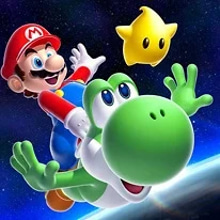
Super Mario Galaxy feels like stepping into a platform adventure that refuses to stay flat for even a second. The ground curves, planets twist your sense of direction, gravity keeps changing the rules, and somehow Mario still has to keep moving like all of this is completely normal. It never is, of course. That is the fun. This is a platform game built around cosmic movement, strange physics, and the constant joy of jumping through places that look too beautiful and too dangerous to trust.
What makes it hit so hard is the feeling of motion. The game is always pulling you forward, upward, around, and sometimes upside down without making the adventure feel messy. One moment you are sprinting over a tiny planet with enemies circling around it. The next you are launching toward another floating path, trying to judge whether that next landing is safe or about to become a very stylish mistake. That rhythm is where the game shines. It makes exploration feel like performance.
And because the world is built out of galaxies instead of ordinary levels, every stage carries that little sense of wonder. You are not just going left to right. You are navigating a universe that keeps bending around Mario in ways that stay playful, surprising, and just weird enough to be memorable.
⭐ 𝗖𝗢𝗟𝗟𝗘𝗖𝗧𝗜𝗡𝗚 𝗦𝗧𝗔𝗥𝗦 𝗔𝗟𝗪𝗔𝗬𝗦 𝗙𝗘𝗘𝗟𝗦 𝗟𝗜𝗞𝗘 𝗘𝗔𝗥𝗡𝗜𝗡𝗚 𝗔 𝗟𝗜𝗧𝗧𝗟𝗘 𝗩𝗜𝗖𝗧𝗢𝗥𝗬
At the center of the adventure is the classic Mario goal loop that still works so well: move through dangerous stages, overcome platform challenges, deal with enemies, uncover secrets, and collect stars. That structure gives the game a very clean backbone. No matter how wild the space around you becomes, the objective always feels clear enough to keep the action focused.
That matters because the galaxies themselves are so visually rich and mechanically playful that the game could easily drift into pure spectacle if it did not anchor itself properly. But it does. Every star feels like a destination. Every puzzle, every risky jump, every hidden route points toward something tangible. That gives the whole experience momentum. You are not just wandering through pretty space scenery. You are chasing rewards through movement and clever exploration.
The stars also help each area feel complete. A level is not only a place you pass through. It is a place you learn. You start understanding where the secrets might hide, which routes look suspiciously optional, and which risky jumps probably lead to something worth finding. That curiosity is a huge part of the appeal. Mario games are always at their best when they quietly make you think, wait, what’s over there?
🐚 𝗧𝗛𝗘 𝗦𝗧𝗔𝗥 𝗦𝗛𝗘𝗟𝗟 𝗠𝗔𝗞𝗘𝗦 𝗘𝗫𝗣𝗟𝗢𝗥𝗔𝗧𝗜𝗢𝗡 𝗙𝗘𝗘𝗟 𝗙𝗔𝗦𝗧𝗘𝗥 𝗔𝗡𝗗 𝗦𝗠𝗔𝗥𝗧𝗘𝗥
One of the most interesting things about this version of Super Mario Galaxy is how much the Star Shell changes the feel of movement. It is not just a flashy extra. It becomes part of how you think. On the surface, it gives Mario speed, letting him glide across flat areas with more force and rhythm than a regular run. But the real magic is in what it does to level design. Suddenly gaps look different. Platforms look different. Even walls and enemies start feeling like possible tools instead of simple obstacles.
That shift is huge. The Star Shell turns movement into momentum management. A clean glide can carry you through sections that would otherwise feel ordinary. A bounce at the right moment can push you toward hidden routes, secret stars, or shortcuts that are easy to miss if you only play cautiously. The shell makes the worlds feel more alive because now the player is always asking one extra question: can I use this space better if I keep my speed?
That is the kind of mechanic Mario games thrive on. It is easy to understand, but it keeps opening new possibilities as the game goes on. A beginner can enjoy the speed. A more curious player can start finding the strange little ways it connects parts of a stage together.
🪐 𝗚𝗥𝗔𝗩𝗜𝗧𝗬 𝗜𝗦 𝗔𝗟𝗪𝗔𝗬𝗦 𝗧𝗛𝗘 𝗥𝗘𝗔𝗟 𝗣𝗨𝗭𝗭𝗟𝗘
What makes Super Mario Galaxy stand apart from simpler Mario platformers is how often gravity itself becomes the challenge. The planets are not just round for decoration. Their shape affects how you move, where you land, and how you read danger. Running around a tiny world changes your instincts. Jump timing changes. Enemy positioning changes. Even your sense of what counts as “above” gets a little scrambled, which is exactly what the game wants.
This makes every galaxy feel more dynamic. It is not enough to be good at jumping in a straight line. You have to learn how each environment bends movement. A floating hazard in one stage may be simple to avoid. The same hazard wrapped around a tiny planet suddenly feels much more interesting because the space around it keeps shifting your approach.
And the game gets a lot of mileage out of that. Small planets feel playful and immediate. Larger cosmic spaces feel grander and more exploratory. Some sections turn gravity into a puzzle. Others turn it into pure momentum. That constant variety is one of the reasons the game remains so entertaining. The physics are part of the identity, not just a gimmick added for one or two levels.
🧩 𝗧𝗛𝗘 𝗣𝗨𝗭𝗭𝗟𝗘𝗦 𝗔𝗥𝗘 𝗡𝗘𝗩𝗘𝗥 𝗙𝗔𝗥 𝗙𝗥𝗢𝗠 𝗧𝗛𝗘 𝗝𝗨𝗠𝗣𝗜𝗡𝗚
Super Mario Galaxy does a great job of mixing platforming with environmental puzzle design. That matters because it keeps the adventure from becoming just a chain of jumps and enemies. The Star Shell, in particular, helps with this. It is not only a movement trick. It becomes part of how the world responds. You can use it to hit distant switches, cross hazards that would otherwise stop your progress, and trigger hidden routes that do not reveal themselves unless you understand the flow of the stage.
This makes the galaxies feel more layered. A path may look straightforward until you notice a mechanism off to the side, or a bounce pattern that seems too deliberate to ignore. Suddenly the level becomes a little conversation between action and curiosity. Mario games always feel best when the world seems to reward paying attention, and that feeling is strong here.
There is also something satisfying about puzzles that stay tied to movement. The game rarely stops everything just to hand you a logic box. Instead, it asks you to solve things while still moving, still jumping, still respecting the physical space around you. That keeps the pace alive.
👾 𝗘𝗡𝗘𝗠𝗜𝗘𝗦 𝗔𝗥𝗘 𝗡𝗢𝗧 𝗝𝗨𝗦𝗧 𝗢𝗕𝗦𝗧𝗔𝗖𝗟𝗘𝗦, 𝗦𝗢𝗠𝗘𝗧𝗜𝗠𝗘𝗦 𝗧𝗛𝗘𝗬 𝗔𝗥𝗘 𝗦𝗧𝗘𝗣𝗣𝗜𝗡𝗚 𝗦𝗧𝗢𝗡𝗘𝗦
Combat in Super Mario Galaxy is still classic Mario at heart, but the level design gives it more movement-driven personality. Familiar enemies show up, yet they are rarely just there to fill space. In a game like this, enemies often become part of the route. You jump off them, bounce from them, use them to keep momentum, or treat them like hazards that must be timed around carefully because gravity has turned the arena into something much stranger than a flat battlefield.
That is especially true when the Star Shell gets involved. Suddenly a wall, an enemy, and a narrow platform can all become part of one clean movement chain if the timing is good enough. That is where the game starts feeling especially satisfying. It is not only about defeating what is in front of you. It is about turning the whole galaxy into a tool for forward motion.
Boss energy matters too, because Bowser remains the larger threat hanging over the adventure. That goal gives the whole journey a proper Mario heartbeat. Collect stars, solve each galaxy, push deeper into the cosmos, and eventually stop Bowser from turning the universe into his personal stage.
✨ 𝗧𝗛𝗘 𝗕𝗘𝗦𝗧 𝗣𝗔𝗥𝗧 𝗠𝗔𝗬 𝗕𝗘 𝗛𝗢𝗪 𝗔𝗟𝗜𝗩𝗘 𝗘𝗩𝗘𝗥𝗬𝗧𝗛𝗜𝗡𝗚 𝗟𝗢𝗢𝗞𝗦
A huge part of the charm is visual. Super Mario Galaxy feels bright, playful, and cosmic in a way that makes every new stage feel like a little reward. Planets are colorful. Space backgrounds feel huge. The worlds are detailed enough to stay memorable but clear enough that the platforming still reads cleanly. That balance is important. A platformer can look beautiful, but if the movement gets lost inside the art, the game suffers. Here, the beauty supports the jumps instead of competing with them.
That makes exploration more rewarding too. Even when the challenge is high, the galaxies remain fun to look at. You notice little shapes in the distance, weird floating paths, tiny celestial details, and pieces of scenery that make the whole world feel imaginative instead of generic. This is the kind of game that invites detours because the environment itself makes you curious.
🚀 𝗪𝗛𝗬 𝗦𝗨𝗣𝗘𝗥 𝗠𝗔𝗥𝗜𝗢 𝗚𝗔𝗟𝗔𝗫𝗬 𝗪𝗢𝗥𝗞𝗦 𝗦𝗢 𝗪𝗘𝗟𝗟 𝗢𝗡 𝗞𝗜𝗭𝟭𝟬
On Kiz10, Super Mario Galaxy is a great fit for players who love platform games, gravity-based movement, star collecting, and classic Mario adventure with a more cosmic style. It combines familiar Mario energy with spherical-world exploration and momentum-driven puzzle design in a way that feels fresh even if you already know the Mushroom Kingdom very well.
If you enjoy platformers where movement itself stays surprising, this one works beautifully on Kiz10.com. The galaxies keep changing the rules just enough, the Star Shell adds speed and creativity, and the hunt for stars gives every level a strong reason to exist. It is bright, clever, and very good at turning space into a playground.
Super Mario Galaxy feels like a proper platform journey should feel: playful, strange, rewarding, and always one good jump away from either discovery or disaster. Usually both. The Kiz10 page for this game describes it as a 3D platformer with gravity-bending movement and Star Shell traversal, and several current Mario game pages on Kiz10 make strong, relevant matches for the “Similar games” block below.








 Share
Share
 Embed
Embed


