𝗧𝗛𝗘 𝗟𝗜𝗚𝗛𝗧 𝗧𝗨𝗥𝗡𝗦 𝗚𝗥𝗘𝗘𝗡… 𝗔𝗡𝗗 𝗬𝗢𝗨 𝗥𝗘𝗚𝗥𝗘𝗧 𝗘𝗩𝗘𝗥𝗬𝗧𝗛𝗜𝗡𝗚 🚦😅
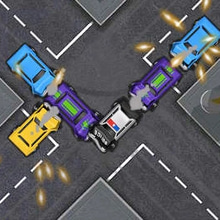
Traffic Chaos looks innocent for about three seconds. A few cars, a few streets, a clean little city grid that feels like it was designed by someone who has never been late to anything. Then you press start and the place immediately turns into that familiar nightmare: vehicles arriving from every direction, impatient drivers creeping forward like they own the road, and the tiniest mistake multiplying into a full-on jam. On Kiz10, this is a timing and traffic management game where you’re basically the unseen brain behind the intersection, trying to keep everything flowing without turning the street into a metal sandwich.
It’s not a racing game. It’s not about speed. It’s about control, and control is fragile here. The fun comes from how quickly things can go from “I’ve got this” to “why are there six cars trying to occupy the same space” in a blink. You’re watching movement patterns, predicting who will collide with who, and making fast decisions that feel small in the moment but huge one second later. That’s the core thrill: every tap is a choice, and every choice echoes.
𝗬𝗢𝗨’𝗥𝗘 𝗡𝗢𝗧 𝗗𝗥𝗜𝗩𝗜𝗡𝗚, 𝗬𝗢𝗨’𝗥𝗘 𝗖𝗢𝗡𝗗𝗨𝗖𝗧𝗜𝗡𝗚 🧠🎼
The best way to understand Traffic Chaos is to imagine an orchestra, except the instruments are cars and the music is not optional. Each lane has its own rhythm. Some lines arrive in neat gaps, others show up in rude little clusters. Your job is to find a pattern that prevents crashes and reduces congestion, but also doesn’t stall the entire city into a parked sculpture.
What makes it addictive is the way the game pushes you into reading the road like it’s a language. You start noticing that letting one lane go for too long creates a tail that’s hard to stop. You notice that stopping cars too aggressively causes backups that then explode when you finally release them. You learn the uncomfortable truth: “safe” and “smooth” are not always the same thing. Sometimes the safest move is to pause a lane early, not because it’s dangerous right now, but because you’re protecting future you from a mess you can already see forming.
And future you will still ignore your own wisdom sometimes. You’ll think, I can squeeze one more car through. Just one. It’s fine. And then it’s not fine. Ever. 😭
𝗜𝗡𝗧𝗘𝗥𝗦𝗘𝗖𝗧𝗜𝗢𝗡 𝗣𝗦𝗬𝗖𝗛𝗢𝗟𝗢𝗚𝗬: 𝗧𝗛𝗘 𝗔𝗥𝗧 𝗢𝗙 𝗟𝗘𝗧𝗧𝗜𝗡𝗚 𝗚𝗢 🚗🛑
Traffic Chaos quietly teaches patience, which is funny because the whole city feels impatient. The temptation is always to keep cars moving constantly, because movement feels like progress. But constant movement can be a trap. If you let everyone go all the time, you create conflict points. The intersection becomes crowded. Vehicles overlap. Small mis-timings become crashes. So you learn to love short pauses, those tiny breathing spaces where the road resets.
This is where the game becomes a real timing puzzle. You’re not pressing “go” because you’re generous. You’re pressing it because the lane is ready, the gap exists, and the cross traffic is under control. It feels almost like juggling. One hand releases a stream, the other hand catches a problem before it hits the floor. If you get the rhythm right, the intersection looks elegant, like a little machine. If you get it wrong, it looks like a comedy sketch where every driver forgot the rules at the same time.
There’s a specific kind of satisfaction when you fix a developing jam before it becomes a disaster. You see the queue building, you intervene early, you create space, and suddenly the whole system relaxes. The city exhales. You exhale too. Then another wave arrives and you immediately stop breathing again. 😅
𝗧𝗛𝗘 𝗖𝗛𝗔𝗢𝗦 𝗖𝗨𝗥𝗩𝗘: 𝗜𝗧 𝗚𝗘𝗧𝗦 𝗟𝗢𝗨𝗗𝗘𝗥 𝗔𝗦 𝗬𝗢𝗨 𝗚𝗘𝗧 𝗕𝗘𝗧𝗧𝗘𝗥 🔥🚦
One of the reasons this kind of traffic control game works so well in a browser is that improvement is obvious. You don’t need a long tutorial to feel progress. Your first attempts are messy and reactive. You’re responding to emergencies you created five seconds ago. Then you start anticipating. You start acting earlier. You stop thinking in single cars and start thinking in waves, in groups, in flow.
That shift changes everything. Instead of asking “Can I let this car go?” you begin asking “If I let this lane go now, what happens to the next ten seconds?” That’s where you start feeling smart, and Traffic Chaos loves that feeling. It rewards players who think in short forecasts, who protect the center of the intersection, who keep lanes from stacking into hopeless lines.
It also rewards players who accept that you can’t make everyone happy. Sometimes you must hold a lane longer than feels polite. Sometimes you must release a lane even when it feels risky, because if you don’t, the other side becomes a wall of cars that you’ll never untangle. The game’s tension comes from these trade-offs. You’re not chasing perfection. You’re managing damage, keeping the city alive one decision at a time.
𝗠𝗜𝗖𝗥𝗢 𝗧𝗜𝗣𝗦 𝗧𝗛𝗔𝗧 𝗙𝗘𝗘𝗟 𝗟𝗜𝗞𝗘 𝗖𝗢𝗠𝗠𝗢𝗡 𝗦𝗘𝗡𝗦𝗘 (𝗔𝗡𝗗 𝗦𝗧𝗜𝗟𝗟 𝗦𝗔𝗩𝗘 𝗬𝗢𝗨) 🧩🧯
If you want smoother runs, your biggest weapon is spacing. Don’t let cars pack the intersection itself. Keep the center clear as much as possible, because once the middle becomes crowded, everything becomes harder to fix. It’s like trying to untie a knot while someone keeps tightening it.
The second weapon is short releases. Let a few cars through, then pause and reassess. Long releases feel good until cross traffic arrives and you realize you’ve created a moving wall. The third weapon is discipline: if a lane is building a queue, deal with it before it becomes enormous, but do it in controlled bursts so you don’t sacrifice the entire system.
And finally, watch your own habits. Players tend to favor one direction without realizing it. You’ll get comfortable managing one lane and forget the others until they become a problem that screams for attention. Traffic Chaos punishes that tunnel vision. The intersection is a living thing. If you ignore one side, it grows teeth.
𝗪𝗛𝗬 𝗧𝗥𝗔𝗙𝗙𝗜𝗖 𝗖𝗛𝗔𝗢𝗦 𝗜𝗦 𝗦𝗢 𝗦𝗧𝗜𝗖𝗞𝗬 𝗢𝗡 𝗞𝗜𝗭𝟭𝟬 🏁✨
This is the kind of Kiz10 game that starts as “I’ll try it once” and turns into “I just need one clean run.” Because it’s quick, direct, and brutally honest. When you fail, you usually know why. You were greedy. You hesitated. You let the center clog. You tried to solve everything at once instead of controlling the flow. That clarity makes you want another attempt, not out of frustration, but out of confidence. You can feel the solution. It’s right there. One better decision, one better rhythm, one better pause.
Traffic Chaos is also oddly satisfying because it turns everyday stress into a game you can win. Real traffic is a powerless experience. In this intersection management puzzle, you have control. You are the traffic boss. You decide who moves and who waits. You create order out of noise, even if it’s temporary, even if the city tries to explode again five seconds later. That push and pull is the fun. Calm, chaos, calm, chaos, tiny victory, new wave, repeat.
So if you like timing puzzles, traffic control challenges, and that feeling of managing a system that constantly tries to slip out of your hands, Traffic Chaos on Kiz10 is exactly the right kind of pressure. It’s quick, it’s tense, it’s strangely satisfying… and yes, you will absolutely try to squeeze “one more car” through at the worst possible time. 🚦😈🚗





 4.2 (22 votes)
 Share
Share
 Embed
Embed