𝗪𝗢𝗥𝗗𝗦 🧠 𝗗𝗢 𝗡𝗢𝗧 𝗝𝗨𝗦𝗧 𝗦𝗜𝗧 𝗧𝗛𝗘𝗥𝗘, 𝗧𝗛𝗘𝗬 𝗪𝗛𝗜𝗦𝗣𝗘𝗥 𝗧𝗢 𝗘𝗔𝗖𝗛 𝗢𝗧𝗛𝗘𝗥
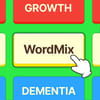
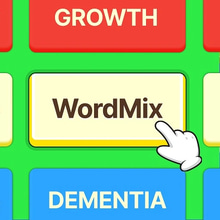
WordMix starts with a simple idea and then quietly turns it into a very sneaky brain trap. The board fills with word cards. They look innocent enough at first. Just words, sitting there, waiting. But some of them belong together. They share a theme, a meaning, an association, some hidden thread your brain is supposed to catch before your moves disappear. That is the whole challenge, and somehow that makes it even more addictive. No explosions. No racing countdown full of panic. Just language, pattern recognition, and that tiny burst of satisfaction when the right connection suddenly clicks into place like a lock opening.
On Kiz10, WordMix feels like the kind of puzzle game that pulls you in quietly and then refuses to let go. It does not scream for attention. It earns it. You scan the board, test a theory, move a few cards, doubt yourself, make one smarter move, and then there it is. A perfect row. Locked in. Your brain gets that lovely little reward and immediately starts hunting for the next connection like it has something to prove.
That is the magic here. WordMix is not only about vocabulary. It is about noticing relationships. The game turns language into a puzzle of intuition, memory, and logic, which is a very dangerous combination for anyone who enjoys saying, just one more level.
𝗧𝗛𝗘 🎯 𝗥𝗨𝗟𝗘𝗦 𝗔𝗥𝗘 𝗦𝗜𝗠𝗣𝗟𝗘, 𝗕𝗨𝗧 𝗧𝗛𝗘 𝗕𝗢𝗔𝗥𝗗 𝗜𝗦 𝗡𝗘𝗩𝗘𝗥 𝗧𝗥𝗨𝗟𝗬 𝗖𝗔𝗟𝗠
What makes WordMix so approachable is how quickly you understand the goal. Find the hidden groups and line them up into a single row. If the group is correct, the row locks in place. If it is not, well, the board remains unimpressed and your move count gets a little more uncomfortable. That clarity is important. The game never confuses you about what success looks like. The real challenge comes from how many possible meanings words can carry at once.
Some categories will feel obvious. You see the group instantly and move on with a little glow of confidence. Others are much meaner. A word that belongs to one theme might also fit another. A connection might be conceptual instead of literal. Suddenly the board stops looking like separate cards and starts looking like a conspiracy made entirely out of language. That is where WordMix becomes really good.
Because the move limit is always there, even when the pace feels relaxed, every choice has weight. You can experiment, but not recklessly. You can trust your instincts, but not blindly. The game lives in that space between calm thinking and low-level pressure, and that is exactly why it works so well.
𝗖𝗢𝗡𝗡𝗘𝗖𝗧𝗜𝗢𝗡𝗦 ✨ 𝗔𝗥𝗘 𝗧𝗛𝗘 𝗥𝗘𝗔𝗟 𝗥𝗘𝗪𝗔𝗥𝗗
A lot of word games are about spelling faster, guessing better, or building something from loose letters. WordMix does something a little different. It asks you to feel the relationship between words. That changes the whole mood. Instead of asking, can you make a word, it asks, can you understand why these words belong together? That subtle shift makes the puzzle more thoughtful.
This is why solving a row feels so good. You are not only arranging cards. You are proving a pattern. You are telling the board, yes, I see what you were doing there. I caught the hidden link. Sometimes that link is obvious and satisfying in a clean, direct way. Sometimes it is a weird sideways association that makes you grin because the game briefly convinced you it was nonsense. Then suddenly it makes perfect sense. Those are the best moments.
WordMix is full of that feeling. The tiny spark of recognition. The quick mental turn from confusion to certainty. The moment a messy board starts looking organized because your brain finally found the right lens. Good puzzle games live on that sensation, and this one understands it very well.
𝗠𝗢𝗩𝗘𝗦 ♟️ 𝗔𝗥𝗘 𝗟𝗜𝗠𝗜𝗧𝗘𝗗, 𝗦𝗢 𝗚𝗨𝗘𝗦𝗦𝗜𝗡𝗚 𝗟𝗜𝗞𝗘 𝗔 𝗠𝗔𝗗𝗠𝗔𝗡 𝗜𝗦 𝗔 𝗕𝗔𝗗 𝗣𝗟𝗔𝗡
The move limit is one of the smartest parts of the design because it stops the game from becoming random shuffling. If you had unlimited moves, you could just throw words around until something worked. That would kill the tension. Here, the limit gently forces you to think before acting. Not forever, not in a stressful exam kind of way, but enough to make every move matter.
This creates a very satisfying rhythm. You scan. You group mentally. You hesitate over one trouble word. You commit. Sometimes you are right and the row locks in with that delicious little sense of victory. Sometimes you are wrong and now the board feels slightly more judgmental than before. Good. That pressure sharpens the next choice.
And when you are truly stuck, the hint system steps in without ruining the experience. That is important. A puzzle game should challenge your mind, not trap it in resentment. Hints keep the flow alive, especially in longer sessions where one stubborn level might otherwise send you into the emotional wilderness.
𝗛𝗨𝗡𝗗𝗥𝗘𝗗𝗦 📚 𝗢𝗙 𝗟𝗘𝗩𝗘𝗟𝗦 𝗠𝗘𝗔𝗡 𝗬𝗢𝗨𝗥 𝗕𝗥𝗔𝗜𝗡 𝗡𝗘𝗩𝗘𝗥 𝗚𝗘𝗧𝗦 𝗧𝗢 𝗦𝗜𝗧 𝗗𝗢𝗪𝗡 𝗙𝗢𝗥 𝗧𝗢𝗢 𝗟𝗢𝗡𝗚
One of the best things about WordMix is how much room it gives the concept to breathe. With hundreds of levels and an endless mode, the game does not run out of excuses to challenge you. That matters because a strong puzzle idea needs variety to stay fresh. Here, the sheer number of boards helps keep the mental rhythm alive. New groups, new traps, new odd little associations waiting to trip you up or make you feel clever.
The endless mode is especially nice because it transforms the game from a level-by-level experience into something you can revisit whenever you want a quick brain workout. That is a great fit for Kiz10. You can play for a few minutes, clear a level or two, and move on. Or you can sit there way longer than planned because the next board looks solvable and your pride has unfortunately become involved.
This kind of structure gives WordMix strong replay value without needing any flashy gimmicks. The puzzle idea is doing the real work, which is always a good sign.
𝗪𝗢𝗥𝗗𝗦 🌀 𝗖𝗔𝗡 𝗕𝗘 𝗢𝗕𝗩𝗜𝗢𝗨𝗦 𝗢𝗡𝗘 𝗠𝗢𝗠𝗘𝗡𝗧 𝗔𝗡𝗗 𝗧𝗥𝗜𝗖𝗞𝗦𝗧𝗘𝗥𝗦 𝗧𝗛𝗘 𝗡𝗘𝗫𝗧
Another reason WordMix stays interesting is that it plays with ambiguity. A single word can carry multiple possible meanings, and that makes some boards wonderfully deceptive. You see a card and immediately think it belongs in one category, only to realize later it was meant for something else entirely. That kind of misdirection is not unfair. It is what gives the game personality.
It also makes success feel earned. You are not just matching surface similarities. You are learning to read more flexibly, to consider alternative groupings, to hold back when a connection looks too easy. That makes WordMix feel smarter than a basic matching game. It respects the fact that language is slippery and uses that slipperiness as part of the fun.
There is a very specific delight in outsmarting a puzzle that was trying to use your own assumptions against you. WordMix creates that delight often.
𝗥𝗘𝗟𝗔𝗫𝗜𝗡𝗚 ☕ 𝗗𝗢𝗘𝗦 𝗡𝗢𝗧 𝗠𝗘𝗔𝗡 𝗘𝗠𝗣𝗧𝗬
WordMix has a calm presentation, but it is not an idle game for half-attention. It asks for focus. Gentle focus, yes, but still real focus. That balance is one of its strengths. It feels cozy enough for a casual session, yet stimulating enough to scratch that puzzle itch properly. It is the kind of game that helps your brain wake up without feeling like punishment.
That makes it perfect for players who enjoy word puzzles, association games, logic challenges, and clean mental exercises that rely more on insight than on speed. You do not need twitch reflexes here. You need pattern sense, patience, and just enough stubbornness to keep staring at a board until the hidden theme finally reveals itself.
𝗪𝗛𝗬 💡 𝗪𝗢𝗥𝗗𝗠𝗜𝗫 𝗪𝗢𝗥𝗞𝗦 𝗦𝗢 𝗪𝗘𝗟𝗟 𝗢𝗡 𝗞𝗜𝗭10
WordMix fits Kiz10 beautifully because it delivers exactly what a strong browser word puzzle should deliver: clear rules, quick entry, smart challenge, and enough content to keep the idea alive far beyond the first few levels. It is easy to start, satisfying to solve, and flexible enough for both short sessions and long puzzle spirals.
If you enjoy word games, category puzzles, association-based brain teasers, and logic challenges where the answer can feel obvious one second and impossible the next, this one has real charm. It turns simple word cards into a clever little battlefield of meaning, instinct, and patience.
In the end, WordMix is about seeing what is hidden in plain sight. The words were always there. The groups were always there. The real question is whether your brain can hear the quiet conversation happening between them before your moves run out. On Kiz10, that makes WordMix a puzzle game with a smart hook and a very dangerous ability to make time disappear.



 2.5 (152 votes)
 Share
Share
 Embed
Embed