𝗕𝗢𝗟𝗗 🕵️♂️🧩 𝗜𝗧 𝗦𝗧𝗔𝗥𝗧𝗦 𝗔𝗦 𝗔 𝗙𝗔𝗩𝗢𝗥, 𝗧𝗛𝗘𝗡 𝗧𝗛𝗘 𝗛𝗢𝗨𝗦𝗘 𝗦𝗧𝗔𝗥𝗧𝗦 𝗧𝗔𝗟𝗞𝗜𝗡𝗚
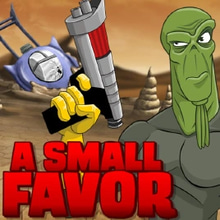
A Small Favor has the kind of title that sounds harmless. Like you’re going to help someone, do a quick task, and go back to your life. Then you play it and realize the word “small” is a comedy device. This is the type of puzzle adventure where the first step seems normal, then every next step adds a new lock, a new clue, a new question, and suddenly you’re not doing a favor anymore, you’re negotiating with a mystery that refuses to be simple. On Kiz10.com, it feels like a classic point-and-click escape experience with a slightly sarcastic heartbeat: you click, you search, you combine items, you solve a clue, and the game immediately replies with “nice, now do it again but harder.” 😅
The atmosphere is quietly tense. Not jump-scare horror, more like that uneasy feeling of being in a place where things don’t line up the way they should. A drawer is locked for no good reason. A painting looks normal until you notice it’s slightly tilted. A note says something vague, like it’s daring you to misread it. And somewhere in all of this is the original promise, the “favor” you were supposed to do, now buried under puzzles like it’s embarrassed to be the reason you’re here.
𝗕𝗢𝗟𝗗 🔍🗝️ 𝗖𝗟𝗜𝗖𝗞𝗜𝗡𝗚 𝗜𝗦 𝗘𝗔𝗦𝗬, 𝗥𝗘𝗠𝗘𝗠𝗕𝗘𝗥𝗜𝗡𝗚 𝗜𝗦 𝗛𝗔𝗥𝗗
A Small Favor isn’t about fast reflexes. It’s about attention and memory. You’ll move through rooms and spaces searching for anything that can be used: a key, a code, a tool, a strange symbol, a missing piece. And the game loves hiding useful things in the exact places your eyes glide past when you get impatient. Corners. Shelves. Under objects. Inside containers that only open after you solve another container first. It’s a gentle kind of cruelty. 😭
The most satisfying part is how the game rewards the “I noticed that” moment. You spot a number sequence on a paper scrap, then later you find a lock that asks for exactly that sequence. You see a pattern on the wall and think it’s decoration, then it turns out to be the language of a puzzle you haven’t even met yet. You’re constantly building a mental inventory of hints, and the game feels best when you treat every room like a suspect. What’s interactive? What repeats? What looks too intentional to be random?
And yes, sometimes you’ll forget something you already saw. It happens to everyone. You’ll find a clue, move on, get stuck, and then suddenly remember the clue like it’s returning from vacation. That’s not failure, that’s the escape game rhythm. Confusion, then clarity, then progress.
𝗕𝗢𝗟𝗗 🧠🧷 𝗧𝗛𝗘 𝗣𝗨𝗭𝗭𝗟𝗘 𝗖𝗛𝗔𝗜𝗡 𝗜𝗦 𝗧𝗛𝗘 𝗥𝗘𝗔𝗟 𝗦𝗧𝗢𝗥𝗬
The cleverness in A Small Favor is that nothing stands alone. You don’t solve a puzzle and “finish” it. You solve it and it becomes a new step in a longer chain. A key opens a cabinet, the cabinet gives a tool, the tool reveals a hidden message, the message becomes a code, the code unlocks a new space. It feels like untying knots, except every knot you untie reveals another knot underneath. 🙃
That chain effect is why it’s easy to get hooked. The game keeps you in motion. You’re always one small click away from a new discovery, and discovery is addictive. The best escape games make your brain believe progress is always nearby, even when you’re stuck, and this one leans into that. You’ll keep thinking, okay, the next clue has to be in this room. And it usually is. Just not where you want it to be.
You’ll also start noticing how the game trains you to stop brute-forcing. Guessing codes is rarely worth it. The hints are there. The puzzle logic is consistent. The challenge is catching it, not inventing it. That’s what makes solving feel clean. When you unlock something, it doesn’t feel like luck, it feels like you earned it by being observant.
𝗕𝗢𝗟𝗗 🕯️📜 𝗧𝗢𝗡𝗘: 𝗠𝗬𝗦𝗧𝗘𝗥𝗬 𝗪𝗜𝗧𝗛 𝗔 𝗦𝗠𝗜𝗥𝗞
A Small Favor has this subtle humor baked into it, even when the environment is serious. You’re doing an errand that keeps escalating, and the escalation itself becomes the joke. You came for one task, now you’re decoding symbols, hunting keys, flipping objects, and questioning every piece of furniture like it owes you answers. That absurdity is what makes it fun. It’s not trying to be a serious detective simulator, but it does make you feel like a detective when you connect a clue properly.
And the pacing is nice. It doesn’t flood you with ten puzzles at once and leave you overwhelmed. It introduces puzzles in a way that feels manageable, then stacks them as you get confident. One lock becomes two. One room becomes multiple points of interest. One clue becomes a clue that points to another clue. Your brain stays engaged without feeling punished, as long as you keep your cool and don’t rage-click like a gremlin. 😅
𝗕𝗢𝗟𝗗 🧰🪟 𝗜𝗧𝗘𝗠𝗦 𝗔𝗥𝗘 𝗦𝗠𝗔𝗟𝗟, 𝗨𝗦𝗘𝗦 𝗔𝗥𝗘 𝗦𝗠𝗔𝗥𝗧
The inventory aspect is where you feel the classic adventure DNA. You pick up items that look ordinary until they become important. A key that only fits one lock. A tool that only works on one stuck object. A piece of paper that only makes sense after you find the matching symbol somewhere else. The game doesn’t expect you to craft weird fantasy combos. It expects you to think logically: if you had this tool in a real house, what would you use it on? That realism makes the solutions feel fair.
Sometimes the best move is stepping back and asking a simple question: what is still locked, sealed, stuck, or “too clean”? Escape games love objects that look suspiciously untouchable. That’s where your next use is hiding. Also, if you see a code and you don’t know where to use it yet, that’s normal. The game is planting it like a seed. You’ll find the lock later and it will suddenly click.
𝗕𝗢𝗟𝗗 😬🚪 𝗧𝗛𝗘 𝗠𝗢𝗠𝗘𝗡𝗧 𝗬𝗢𝗨 𝗚𝗘𝗧 𝗦𝗧𝗨𝗖𝗞, 𝗗𝗢𝗡’𝗧 𝗣𝗔𝗡𝗜𝗖
Every escape puzzle has a stall point where you feel like you did everything. A Small Favor definitely has that moment. The trick is that “everything” usually means “everything you noticed,” not “everything that exists.” So the best recovery move is methodical, not emotional. Re-scan the room slowly. Check edges. Click on things that looked decorative. Re-check your inventory and actually try items on the obvious locked points you dismissed earlier.
It’s almost always one of these: you missed a hotspot, you forgot a clue, or you didn’t use an item in the correct place. Rarely is it because the game is broken. And once you find that missing piece, the progress rush hits hard. You unlock the next step, and suddenly you’re moving again like nothing happened.
𝗕𝗢𝗟𝗗 🏁🗝️ 𝗧𝗛𝗘 𝗙𝗔𝗩𝗢𝗥 𝗕𝗘𝗖𝗢𝗠𝗘𝗦 𝗔 𝗙𝗜𝗡𝗜𝗦𝗛 𝗟𝗜𝗡𝗘
What makes the ending satisfying in games like A Small Favor is that escape doesn’t feel like a random “you win” screen. It feels like the final knot untying. You’ve gathered the right objects, understood the pattern of the house, solved the logic chain, and earned the final key or solution that lets you leave. The favor is no longer a request, it’s a story you survived.
If you like mystery clue hunting, escape room logic, inventory puzzles, and that slow, delicious feeling of a plan forming in your heads while the house tries to keep its secrets, A Small Favor on Kiz10.com is exactly that. Small mission, big spiral, and a final moment that feels like you outsmarted a place that didn’t want to be solved. 🗝️🏚️😅





 4.4 (9 votes)
 Share
Share
 Embed
Embed