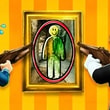
𝗔𝗥𝗧 𝗖𝗥𝗜𝗧𝗜𝗖𝗜𝗦𝗠, 𝗕𝗨𝗧 𝗪𝗜𝗧𝗛 𝗖𝗟𝗔𝗪𝗦 🐻🎨
Bears vs Art does not gently introduce itself. It storms in with attitude, weird elegance, and the energy of a creature that has absolutely had enough of abstract nonsense hanging in the middle of its forest. You are not here to admire clean white walls, whisper about color theory, or nod thoughtfully at a canvas that looks like a salad argument. No. You are here as Rory, a furious bear with a mission: slide through gallery rooms, line up your attacks, and tear every ridiculous painting into confetti.
And somehow, despite that gloriously silly premise, the game becomes a really sharp puzzle experience.
That is the first thing that makes Bears vs Art memorable on Kiz10. It is funny, yes, but not disposable. Beneath the claws and chaos, there is a clever grid-based puzzle game that constantly pushes you to think ahead. Every room is a miniature problem. Every movement matters. Every wall, obstacle, spike, laser, portal, or guard exists for one reason: to ruin your beautiful plan the moment you get cocky.
Which is, honestly, rude. But effective.
𝗦𝗟𝗜𝗗𝗘 𝗙𝗜𝗥𝗦𝗧, 𝗦𝗠𝗔𝗦𝗛 𝗟𝗔𝗧𝗘𝗥 🧩💥
The core mechanic in Bears vs Art is wonderfully simple and dangerously sneaky. Rory moves by sliding across the grid in straight or diagonal lines, continuing until he hits something that stops him. That means you are never just choosing a direction. You are choosing a complete path. One move can carry you safely toward a masterpiece waiting to be shredded, or straight into a trap that ends the attempt with brutal efficiency.
That movement system is the heart of the game’s personality. It gives the puzzles a smooth, physical feel, almost like your decisions are gliding across the room before you can fully take them back. There is no clumsy step-by-step crawling here. When Rory moves, he commits. The result is a puzzle-action flow that feels fast even when you are thinking carefully.
And you will think carefully.
At first, the challenge seems manageable. Slide into the right position, claw the painting, move to the next one. Easy enough. Then the game starts layering complications on top. Security lasers cut across your route. Spikes punish lazy planning. Teleportation portals twist the geometry of each room. Guards and guests become moving hazards that make every safe-looking line suddenly suspicious. The whole experience becomes a delicious mix of route planning and panic management. You pause, stare at the room, imagine the path, commit... and either look like a genius or a complete fool two seconds later.
Usually both in the same level 😅
𝗣𝗨𝗭𝗭𝗟𝗘𝗦 𝗪𝗜𝗧𝗛 𝗠𝗢𝗠𝗘𝗡𝗧𝗨𝗠 🌀🧠
What gives Bears vs Art its special flavor is how it mixes logical puzzle solving with physical momentum. In many puzzle games, the solution unfolds one tiny move at a time. Here, your route often feels like a chain reaction. One correct slide sets up the next. One well-timed rebound off a wall opens a diagonal angle you did not notice before. A portal shifts your position, and suddenly the room that looked impossible begins to make sense.
This makes the game satisfying in a very specific way. When you fail, you usually understand why. When you succeed, it feels earned. Not random, not lucky, earned. The room clicks. The route flows. Rory moves through the gallery like a furry wrecking ball guided by geometry and spite.
That pacing matters a lot. Bears vs Art is not just about solving static puzzles. It is about solving them with style. Once you understand a room, you can almost feel the perfect run before it happens. The movement becomes elegant. Fast. Sharp. It stops looking like destruction and starts looking like choreography, if choreography ended with expensive paintings getting obliterated.
Which, to be fair, is a genre I would like to see more often.
𝗧𝗥𝗔𝗣𝗦, 𝗧𝗜𝗠𝗜𝗡𝗚, 𝗔𝗡𝗗 𝗧𝗛𝗔𝗧 𝗦𝗡𝗢𝗕𝗕𝗬 𝗚𝗔𝗟𝗟𝗘𝗥𝗬 𝗩𝗜𝗕𝗘 🚨🖼️
The obstacle design is where Bears vs Art keeps surprising you. It would already work as a pure sliding puzzle game, but the hazards transform it into something more animated and mischievous. Lasers force you to read the room differently. Spikes make open spaces feel threatening. Portals scramble your assumptions in the best way. Patrols and other characters add pressure, turning stillness into danger.
That means the game never lets the player settle into one pattern of thinking. Some rooms are about positioning. Others are about timing. Some ask for strict efficiency. Others reward experimentation and strange angles. You are always learning how the space behaves, and that constant adaptation keeps the game fresh.
There is also a nice tonal contrast running through the whole thing. The galleries feel polished, expensive, almost absurdly self-important. Rory does not care. His presence turns those elegant spaces into playgrounds of disruption. That contrast gives the game a lot of charm. It knows the premise is ridiculous, and that makes the destruction even more satisfying. Every ripped canvas feels like a punchline.
𝗔 𝗕𝗘𝗔𝗥 𝗪𝗜𝗧𝗛 𝗗𝗥𝗜𝗣 👕✨
Beyond the level design, Bears vs Art gets extra personality from unlockables and alternate looks for Rory. Different outfits bring variety to the experience and make the bear feel more like your personal chaos engine instead of just a puzzle piece with anger issues. Cosmetic progression like this works especially well in a game with a strong central character because it gives you a reason to keep pushing deeper, even after the puzzle challenge itself already has its claws in you.
And the challenge really does hold up. With so many levels and generated puzzle situations, the game keeps offering new arrangements of danger and destruction. That means it is easy to play in different moods. You can take it slowly, thinking through each room like a geometric detective in a museum-themed fever dream. Or you can replay stages with speed and confidence, trying to tear through the layout as efficiently as possible.
That flexibility gives Bears vs Art strong replay value. It can be a relaxed brain game one minute and a twitchy puzzle-action rush the next.
𝗪𝗛𝗬 𝗜𝗧 𝗪𝗢𝗥𝗞𝗦 𝗦𝗢 𝗪𝗘𝗟𝗟 𝗢𝗡 𝗞𝗜𝗭𝟭𝟬 🌲🔥
On Kiz10, Bears vs Art stands out because it combines several things that are hard to balance well: humor, clarity, challenge, and momentum. The controls are easy to grasp, but the rooms quickly become layered and demanding. The visual style is playful, but the puzzle design takes itself seriously enough to stay rewarding. The concept is absurd, but the mechanics are precise.
That balance is what makes the game feel so good to play. It does not waste your time. It presents a problem, gives you a chaotic bear, and lets you figure the rest out. Failures are quick. Successes are crisp. The game respects experimentation while still making every correct route feel smart.
If you enjoy puzzle games with movement mechanics, trap-filled stages, and a strong personality, Bears vs Art is an easy recommendation. It is part brain teaser, part action puzzle, part anti-gallery rampage, and somehow all of it works together. There is real pleasure in staring down a room full of obstacles, seeing the path hidden inside the madness, and then sending Rory sliding through the gallery like a furry prophecy of destruction.
So go ahead. Enter the silent hall. Ignore the expensive lighting. Line up the angle. And remind the entire building that modern art was always one angry bear away from total collapse 🐻💥















 2 (152 votes)
 Share
Share
 Embed
Embed