𝗗𝗢𝗟𝗣𝗛𝗜𝗡 𝗖𝗨𝗣: 𝗧𝗛𝗘 𝗔𝗤𝗨𝗔𝗥𝗜𝗨𝗠 𝗜𝗦 𝗬𝗢𝗨𝗥 𝗦𝗧𝗔𝗗𝗜𝗨𝗠 🐬🏟️
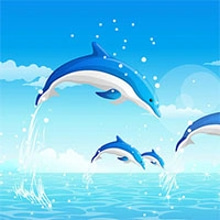
Dolphin Cup is a skill game that turns a simple idea into a full-body reflex workout: build speed underwater, launch like a rocket, and pull off clean aerial tricks before gravity decides you’ve had enough fun. On Kiz10, it hits that classic arcade sweet spot where you understand the goal instantly, but improving your score becomes a weird little obsession. You’re not just “swimming.” You’re timing dives, planning launch angles, and aiming your dolphin like it’s a stunt missile with a personality.
The mood is pure show energy. The water is your runway, the surface is your trampoline, and the air time is where you either look like a legend or like a confused fish doing accidental yoga. The game rewards both bravery and control, and the tension comes from balancing them. Go too safe and your score crawls. Go too wild and you land badly, lose momentum, and watch your run crumble in slow motion while you whisper, “No no no, I had that.” 😅
𝗧𝗛𝗘 𝗙𝗟𝗢𝗪: 𝗗𝗜𝗩𝗘, 𝗟𝗔𝗨𝗡𝗖𝗛, 𝗙𝗟𝗜𝗣, 𝗟𝗔𝗡𝗗 🌊🚀
The core loop is beautifully physical. You dive down to build speed, then shoot upward, breaking the surface with that satisfying burst of momentum. That momentum is your currency. The deeper and cleaner your dive, the stronger your launch. And once you’re in the air, Dolphin Cup becomes a timing puzzle. You’re trying to squeeze the best trick sequence out of the seconds you’ve earned.
The trick is that the air is not free. Every flip, twist, and adjustment costs you stability. The game loves asking: do you want points, or do you want a safe landing that keeps the run alive? Because the landing is where the score-chasing gets real. A clean entry feels like a perfect exhale. A messy entry feels like your dolphin hits the water and instantly forgets its own job.
After a few attempts, you’ll start thinking in “runs,” not jumps. You’ll plan how one jump sets up the next dive, which sets up the next launch, which sets up the next trick. That’s when the game stops feeling random and starts feeling like a sport.
𝗧𝗛𝗘 𝗥𝗜𝗡𝗚𝗦 𝗔𝗡𝗗 𝗧𝗔𝗥𝗚𝗘𝗧𝗦 𝗔𝗥𝗘 𝗧𝗘𝗠𝗣𝗧𝗔𝗧𝗜𝗢𝗡 🎯🫧
Dolphin Cup doesn’t just want you to jump. It wants you to aim. Rings, targets, and mid-air objectives are the little shiny traps that turn a normal leap into a risky play. Going through a ring perfectly is pure satisfaction, because it means your angle, speed, and timing all agreed for once. Missing by a tiny margin is also pure satisfaction, but in the “I’m going to restart immediately” sense. 😭
The best part is how these objectives force you to control your flight path. You can’t just launch straight up and hope. You have to read the spacing, adjust your approach, and commit early. Late corrections in the air are usually where runs die, because the game punishes frantic changes. When you learn to line up your jump before you even leave the water, everything gets smoother. It starts feeling intentional, like you’re choreographing the stunt instead of improvising chaos.
𝗧𝗛𝗘 𝗧𝗜𝗠𝗘 𝗣𝗥𝗘𝗦𝗦𝗨𝗥𝗘 𝗜𝗦 𝗧𝗛𝗘 𝗦𝗘𝗖𝗢𝗡𝗗 𝗢𝗣𝗣𝗢𝗡𝗘𝗡𝗧 ⏱️😈
One of the reasons Dolphin Cup stays addictive is the clock. It’s not just a score chase, it’s a score chase under pressure. Time limits change your brain chemistry in a very specific way. Suddenly you’re taking jumps you wouldn’t normally take. Suddenly you’re going for the ring that’s slightly off-line because you need the points. Suddenly you’re making deals with yourself like, “Okay, just one risky trick, then I’ll play safe.” You will not play safe. Not when the timer is low and the dopamine is loud.
The clock also makes short sessions feel meaningful. You can jump in on Kiz10, do a few runs, and each one feels like a complete attempt with a clear result. That’s perfect for an arcade skill game: quick restarts, clear feedback, and a constant invitation to beat your last best.
𝗛𝗢𝗪 𝗧𝗢 𝗦𝗖𝗢𝗥𝗘 𝗛𝗜𝗚𝗛𝗘𝗥 𝗪𝗜𝗧𝗛𝗢𝗨𝗧 𝗠𝗘𝗟𝗧𝗜𝗡𝗚 🧠✨
If you want higher scores, the secret isn’t “do more tricks.” It’s “do smarter tricks.” Your momentum is precious, so protect it. Dive deep enough to build speed, but don’t waste time wobbling underwater. Launch with a clean line. Aim for objectives that match your current angle instead of forcing dramatic mid-air corrections. Most bad runs come from greed, and the game knows it.
Landing technique matters too. A clean entry keeps your movement smooth and sets you up for another strong dive. A sloppy landing kills speed and makes your next launch weaker, which creates a snowball effect where the whole run feels slow and disappointing. When you focus on clean landings, your entire run becomes more consistent, and consistency is where high scores are born.
You’ll also notice that confidence is a tool and a weapon. When you’re calm, your inputs are clean. When you panic, you overcorrect. So the weird advice is: breathe like you’re doing something serious, even though you’re a dolphin doing stunts for points. It works. 😄
𝗪𝗛𝗬 𝗗𝗢𝗟𝗣𝗛𝗜𝗡 𝗖𝗨𝗣 𝗜𝗦 𝗦𝗢 𝗥𝗘𝗣𝗟𝗔𝗬𝗔𝗕𝗟𝗘 𝗢𝗡 𝗞𝗜𝗭𝟭𝟬 🏆🐬
Dolphin Cup nails the replay loop because it always leaves you with a clear “next improvement.” You missed a ring by a hair, so you want another shot. You landed messy, so you want a cleaner entry. You did a great jump but wasted time underwater, so you want to optimize. It’s a skill game that teaches without lecturing. You feel your progress in your hands.
And when you finally get that magical run where everything lines up, it’s ridiculously satisfying. The dive is deep. The launch is powerful. The trick sequence is clean. The ring hit is perfect. The landing is smooths. The score jumps. You feel like an aquarium superstar for five glorious seconds. Then you try again, immediately, because now you want to prove it wasn’t luck. That’s Dolphin Cup. Bright, fast, simple, and quietly brutal in the way great arcade games are.

















 4.5 (16 votes)
 Share
Share
 Embed
Embed