𝐇𝐞𝐥𝐥 𝐝𝐢𝐝 𝐧𝐨𝐭 𝐚𝐬𝐤 𝐩𝐞𝐫𝐦𝐢𝐬𝐬𝐢𝐨𝐧 🔥
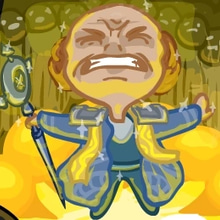
Exorcist is the kind of game that does not arrive quietly. The title alone sounds like a warning, and once the premise kicks in, the mood becomes very clear: this is not a peaceful adventure about wandering through pretty landscapes collecting flowers and making nice decisions. This is a dark action game on Kiz10 where evil things have spilled into the world, and someone has to go down there and start cleaning up the mess. The official Kiz10 page describes the core idea plainly: you help a strange exorcist fight beings from hell, collect upgrades, learn new skills, and complete the mission of purging the land of wicked creatures.
That setup already gives the game a great pulse. It is dramatic, direct, and full of pressure before the first proper fight even begins. A good exorcist game should feel like a battle against corruption, not just another generic hack-and-slash with a darker color palette. Exorcist seems to understand that instinctively. You are not simply defeating enemies because they happen to be standing there. You are pushing back against an infestation of evil. That makes every fight feel heavier. The world does not feel threatened in some distant abstract way. It feels contaminated right now, and your job is to go straight into the rot.
That is strong horror-action energy. Not pure survival horror, where the player mostly hides and hopes for mercy, but something meaner and more confrontational. You see the darkness. You step toward it. You start fighting.
𝐖𝐡𝐞𝐧 𝐭𝐡𝐞 𝐞𝐧𝐞𝐦𝐲 𝐢𝐬 𝐚𝐥𝐬𝐨 𝐚 𝐜𝐮𝐫𝐬𝐞 👹
What makes Exorcist attractive is that its conflict already feels personal. Demons and hellspawn are not neutral obstacles. They carry atmosphere with them. Every creature in a game like this should feel wrong in some specific way, like it belongs to a deeper layer of the nightmare and somehow forced its way upward. That is why dark fantasy action games work so well when they commit to the tone. They are not just about combat. They are about cleansing, surviving, and forcing terrible things back where they came from.
The Kiz10 description also points to progression through upgrades and new abilities, and that adds a lot to the fantasy. At the start, the player should feel like someone standing against overwhelming darkness with grit and whatever tools they currently have. But as the game moves forward, the exorcist becomes stronger, more capable, more prepared to deal with horrors that would have crushed an untrained soul. That evolution matters. It gives the action shape. You are not only surviving harder encounters. You are becoming the kind of threat evil should fear.
And honestly, that is the exact emotional payoff this genre needs. Fighting demons is fun. Learning stronger ways to fight demons is much better. Every upgrade feels like a small answer to the chaos. Every new skill feels like the game handing you another weapon in a war that has already gone too far. That makes even simple progression feel dramatic. It is not just “leveling up.” It is becoming more dangerous to the darkness.
𝐃𝐚𝐫𝐤 𝐚𝐜𝐭𝐢𝐨𝐧 𝐠𝐚𝐦𝐞𝐬 𝐰𝐨𝐫𝐤 𝐛𝐞𝐬𝐭 𝐰𝐡𝐞𝐧 𝐭𝐡𝐞𝐲 𝐬𝐭𝐚𝐲 𝐦𝐞𝐚𝐧 ⚔️
Exorcist sounds like the sort of game that benefits from keeping its edge. Horror-flavored action should not feel too soft. It should let the player feel pressure, urgency, and just a little disgust at what is crawling toward them. That edge is what separates a proper demonic battle game from something that only borrows spooky words. The concept here is already strong because hell itself is involved. That means the enemies should feel nasty, the mission should feel serious, and the victories should feel earned.
At the same time, Kiz10 browser action games usually work best when they stay readable and fast. Exorcist seems to hit that space nicely. The goal is clear. Kill the forces of evil. Grow stronger. Learn abilities. Keep going until the land is clean again. No wasted setup, no bloated confusion. Just a dark mission with a strong central role.
That clarity is a real strength. Players can jump in quickly, understand their purpose, and start pushing through demonic resistance almost immediately. In browser gaming, that matters a lot. The experience should grab you fast. A title like Exorcist has no problem doing that. The premise is vivid enough on its own. A strange holy warrior versus beings from hell? Yes, that will do.
𝐏𝐨𝐰𝐞𝐫 𝐢𝐬 𝐧𝐨𝐭 𝐣𝐮𝐬𝐭 𝐝𝐚𝐦𝐚𝐠𝐞, 𝐢𝐭 𝐢𝐬 𝐜𝐨𝐧𝐟𝐢𝐝𝐞𝐧𝐜𝐞 ✨
One of the most satisfying things in games like this is the shift in posture. Early on, the player often feels threatened. The monsters are dangerous, the environment feels hostile, and every encounter asks for caution. But with upgrades and new skills, something changes. The exorcist stops merely enduring the darkness and starts owning the battlefield. That transformation gives the whole game emotional momentum.
And because Kiz10 explicitly mentions both improvements and new abilities, the power curve seems built into the experience rather than added as decoration. That is good news. Skill progression in a demonic action game should always feel like a tightening grip around the throat of evil. You do not just become stronger in a neutral sense. You become more effective at destruction, more precise in judgment, more relentless in execution.
That is where the game probably gets its most addictive loop. Kill enemies, survive tougher waves, unlock better tools, repeat with more confidence. It is a classic structure because it works. Players love feeling their capacity grow, especially when the enemies are grotesque enough to make every victory feel like an act of purification rather than simple score-building.
𝐓𝐡𝐞 𝐥𝐚𝐧𝐝 𝐢𝐬 𝐝𝐢𝐫𝐭𝐲, 𝐚𝐧𝐝 𝐲𝐨𝐮 𝐚𝐫𝐞 𝐭𝐡𝐞 𝐟𝐢𝐫𝐞 🩸
The phrase on Kiz10 about “cleaning the land” gives Exorcist a particularly strong flavor. That choice of language matters. It suggests this is not just a dungeon crawl or a random monster rush. It is a mission of restoration through violence. The world has been corrupted and the exorcist exists to remove that corruption one enemy at a time. That creates a harsher, more purposeful tone than a generic dark action game usually manages.
It also helps the horror side of the game feel more meaningful. Demons are frightening, sure, but they are also pollution here. Infection. A spiritual stain spreading through the land. Framing the mission as cleansing makes every encounter feel like a piece of a larger war. You are not wandering. You are reclaiming.
That kind of direction gives the game more identity. It feels ritualistic, severe, almost grimly holy. Even if the mechanics stay arcade-friendly and fast, the premise still gives every level a stronger sense of mood. For a browser game, that is valuable. You want players to remember not only what they did, but what it felt like to do it.
𝐎𝐧𝐞 𝐦𝐨𝐫𝐞 𝐟𝐢𝐠𝐡𝐭, 𝐨𝐧𝐞 𝐦𝐨𝐫𝐞 𝐝𝐞𝐦𝐨𝐧 𝐥𝐞𝐬𝐬 ☠️
Exorcist works because it keeps the core promise clean and aggressive. On Kiz10, it is presented as a dark action game where you fight beings from hell, earn upgrades, unlock abilities, and push through a mission to destroy evil forces. That is already enough to build a strong, replayable browser experience around.
For players who enjoy demon games, horror action, dark fantasy combat, and upgrade-driven battles, this one has the right kind of energy. It feels sinister without becoming muddy, direct without becoming shallow, and dramatic without needing too much explanation. You understand the job immediately. The world is filthy with evil. You are here to make that somebody else’s problem.
And really, that is the whole appeal. Exorcist turns purification into combat and combat into progression. It gives the player a dark role, a dangerous enemy, and a clear reason to keep going deeper.
Hell showed up first. Now it gets answered.





 4.6 (6 votes)
 Share
Share
 Embed
Embed