𝗣𝗔𝗣𝗘𝗥 𝗪𝗛𝗘𝗘𝗟𝗦, 𝗜𝗡𝗞 𝗥𝗢𝗔𝗗𝗦, 𝗡𝗢 𝗠𝗘𝗥𝗖𝗬 ✏️🏁😵💫
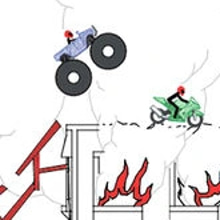
Paper Racer has that instantly weird, instantly lovable vibe: it looks like someone grabbed a pen, sketched a track on a notebook page, and then dared you to drive it like your life depends on it. And honestly… it kind of does. This isn’t a “quiet” racing game. It’s a physics racing game that turns every hill into a question and every landing into a negotiation with gravity. You pick a vehicle, you hit the track, and the moment you think “I’ve got this,” the paper world throws a ridiculous slope at you and watches you tumble like a cartoon regret.
On Kiz10, Paper Racer feels like a mix of racing, stunts, and that special brand of chaos you only get when wheels and physics start arguing. The drawn style keeps it light, but the driving can get sweaty. You’re constantly balancing speed versus control, trying to keep momentum without flipping into the void. And the best part is how the game makes you feel clever when you survive something you absolutely shouldn’t have survived. Like you didn’t just drive well… you improvised your way out of disaster.
𝗜𝗧’𝗦 𝗔 𝗥𝗔𝗖𝗘, 𝗕𝗨𝗧 𝗧𝗛𝗘 𝗧𝗥𝗔𝗖𝗞 𝗜𝗦 𝗧𝗛𝗘 𝗥𝗘𝗔𝗟 𝗢𝗣𝗣𝗢𝗡𝗘𝗡𝗧 🛣️🧠⚡
In most racing games, the track is a stage. In Paper Racer, the track is a mischievous character. The curves aren’t always smooth. The ramps don’t always look “safe.” The terrain can feel like it was drawn by someone who got bored halfway through and decided to add a sudden spike of nonsense. That’s where the fun lives. You’re not just driving forward, you’re reading the ink. You’re scanning the next shape, judging the angle, deciding if you should commit to full speed or ease up so you don’t become airborne in the wrong direction.
There’s a surprising amount of rhythm to it. You learn to treat hills like beats: accelerate into a climb, stabilize at the crest, prepare for the drop, then recover the landing before the next weird bump arrives. The moment you stop thinking of the road as “flat,” the game becomes easier. Not easy, but easier. Because paper tracks are rarely polite. They’re bouncy, inconsistent, and sometimes they feel like a prank somebody drew during math class.
𝗩𝗘𝗛𝗜𝗖𝗟𝗘𝗦 𝗧𝗛𝗔𝗧 𝗙𝗘𝗘𝗟 𝗟𝗜𝗞𝗘 𝗧𝗢𝗬𝗦 𝗪𝗜𝗧𝗛 𝗥𝗘𝗔𝗟 𝗣𝗛𝗬𝗦𝗜𝗖𝗦 🏍️🚙🌀
Paper Racer doesn’t need a garage full of realistic car brands to be fun. It just needs vehicles that behave differently enough to change how you approach the track. Some rides feel nimble and quick to correct, great for tight, sketchy sections where control matters more than raw speed. Others feel heavier, more stubborn, the kind that keeps momentum better but punishes you if you land badly. You start picking your vehicle like you’re picking a strategy. And that’s a great feeling in a browser racing game: the sense that your choice actually matters.
The physics makes everything more dramatic. A small bump can become a big moment. A tiny over-rotation can turn into a full flip. You’ll have runs where you’re sure you’re about to crash, and then somehow you bounce, recover, keep going, and you catch yourself smiling like “did I just do that on purpose?” No. Probably not. But it looked cool. 😅
𝗧𝗛𝗘 𝗦𝗔𝗧𝗜𝗦𝗙𝗬𝗜𝗡𝗚 𝗣𝗔𝗥𝗧: 𝗟𝗘𝗔𝗥𝗡𝗜𝗡𝗚 𝗧𝗛𝗘 𝗜𝗡𝗞 ✍️🧩🔥
What makes Paper Racer addictive is that your improvement is obvious. Early on, the track feels random and unfair. Later, it feels readable. You start recognizing “danger angles.” You start noticing how certain slopes launch you if you hit them too fast. You learn that sometimes the best move is not to floor it, but to keep your wheels stable so you can keep speed after the landing. It’s that classic stunt racing truth: the fastest run isn’t always the one with the highest top speed, it’s the one with the fewest disasters.
And disasters are frequent here, in the funniest way. You’ll clip a bump, spin, land upside down, and just sit there for a second like… okay. That happened. Then you restart and try again because you know you can do cleaner. The game keeps you in that loop where each attempt is short enough to repeat, but deep enough to feel like practice, not repetition.
𝗠𝗨𝗟𝗧𝗜𝗣𝗟𝗔𝗬𝗘𝗥 𝗩𝗜𝗕𝗘𝗦 𝗔𝗡𝗗 𝗧𝗛𝗔𝗧 “𝗢𝗞𝗔𝗬, 𝗢𝗡𝗘 𝗠𝗢𝗥𝗘” 𝗘𝗡𝗘𝗥𝗚𝗬 🧑🤝🧑🏁😈
If you jump into modes where you face others, Paper Racer gets even more intense, because now your messy landing isn’t just a personal problem, it’s lost ground. Racing another player in a physics game is comedy and stress at the same time. You can be driving perfectly, then you hit a weird ripple in the track and suddenly you’re performing involuntary acrobatics while your opponent disappears into the distance. It’s painful, but it’s also the kind of pain that makes you instantly queue another race.
There’s also that creative itch Paper Racer scratches when it lets you mess with tracks or explore unusual layouts. The paper theme makes everything feel handmade, like every course has its own personality. Some tracks are built for flow, letting you keep momentum and feel fast. Others are built for suffering, full of awkward shapes that punish impatience. You’ll find yourself preferring certain styles depending on your mood: do you want a smooth run, or do you want a ridiculous challenge that makes you laugh at your own crashes?
𝗣𝗛𝗬𝗦𝗜𝗖𝗦 𝗖𝗛𝗔𝗢𝗦 𝗜𝗦 𝗔𝗟𝗦𝗢 𝗔 𝗦𝗞𝗜𝗟𝗟 𝗧𝗘𝗦𝗧 🧠🛞💫
Here’s the sneaky thing: Paper Racer looks like silly doodle fun, but it trains real racing instincts. Not “real life driving,” obviously, but real game instincts. Throttle control. Timing. Knowing when to push and when to stabilize. You get better at reading terrain quickly, and you develop that calm reaction to unexpected bounces. The first time you get launched, you panic. The tenth time, you correct mid-air like it’s normal, land, and keep rolling.
Your brain also starts building a tiny library of micro-decisions. If the front end lifts, you ease. If a downhill is too steep, you prepare for the rebound. If the track narrows into something sketchy, you stop being greedy. Those habits turn into long runs, cleaner finishes, and fewer “why did I do that” moments. Fewer, not zero. It’s still Paper Racer. The ink demands sacrifice sometimes. 😭✏️
𝗦𝗠𝗔𝗟𝗟 𝗧𝗜𝗣𝗦 𝗧𝗛𝗔𝗧 𝗙𝗘𝗘𝗟 𝗟𝗜𝗞𝗘 𝗖𝗛𝗘𝗔𝗧 𝗖𝗢𝗗𝗘𝗦 (𝗕𝗨𝗧 𝗔𝗥𝗘𝗡’𝗧) 🧷🏍️✨
If you keep flipping, you’re probably entering ramps too aggressively. Try approaching big crests with slightly less commitment, then accelerating after you land. If you keep losing speed on climbs, focus on keeping your vehicle stable so your wheels stay in contact; bouncing looks cool but it steals traction. And if the track is weirdly lumpy, treat it like a rhythm section: steady inputs, fewer sudden corrections, and patience. The game punishes dramatic over-steering, but it rewards small clean adjustments like you’re guiding the vehicle instead of fighting it.
Also, don’t let one bad crash poison the next attempt. Paper Racer is the kind of racing game where frustration makes you heavy-handed, and heavy-handed driving makes the physics go feral. Reset your grip, take the next run calmly, and you’ll instantly feel the difference. The paper world is chaotic, but your inputs don’t have to be.
𝗪𝗛𝗬 𝗣𝗔𝗣𝗘𝗥 𝗥𝗔𝗖𝗘𝗥 𝗜𝗦 𝗦𝗢 𝗙𝗨𝗡 𝗢𝗡 𝗞𝗜𝗭𝟭𝟬 🏆📄🔥
Paper Racer hits that perfect browser sweet spot: fast to start, easy to understand, and surprisingly deep once the physics begins to matter. The hand-drawn style makes it stand out from typical racing games, and the vehicle handling keeps it from becoming a mindless sprint. Every track becomes a little story. Every landing becomes a tiny drama. Every victory feels like you outsmarted the ink.
If you love physics racing, stunt riding, doodle-style tracks, and the kind of gameplay where you laugh at your own crashes while secretly trying to get a perfect run, Paper Racer belongs in your Kiz10 rotation. It’s messy in the best way. It’s skillful in a sneaky way. And it’s the kind of game that makes you say “last race” while already pressing restart. 🏍️💥✏️



 3.9 (19 votes)
 Share
Share
 Embed
Embed


